Yamaha's R-series has long been the benchmark for entry-level sportbikes in India, with the R15 establishing itself as the go-to machine for riders seeking track-inspired styling and sharp handling at an accessible price. Now, the all-new Yamaha R2 arrives as the next rung on that ladder, promising a more mature design, upgraded hardware and a new engine.
On paper, it checks many of the boxes enthusiasts have been asking for, a sharper R-family aesthetic, adjustable ergonomics, a feature-rich 5-inch TFT console and a quickshifter-equipped powertrain. But in a space where the R15 already delivers strong value, does the R2 offer enough of a performance and refinement leap to justify its higher price, or is it simply a styled-up evolution? We put the new R2 through its paces to find out whether it truly earns the R badge.
Familiar Yet Sharper Design
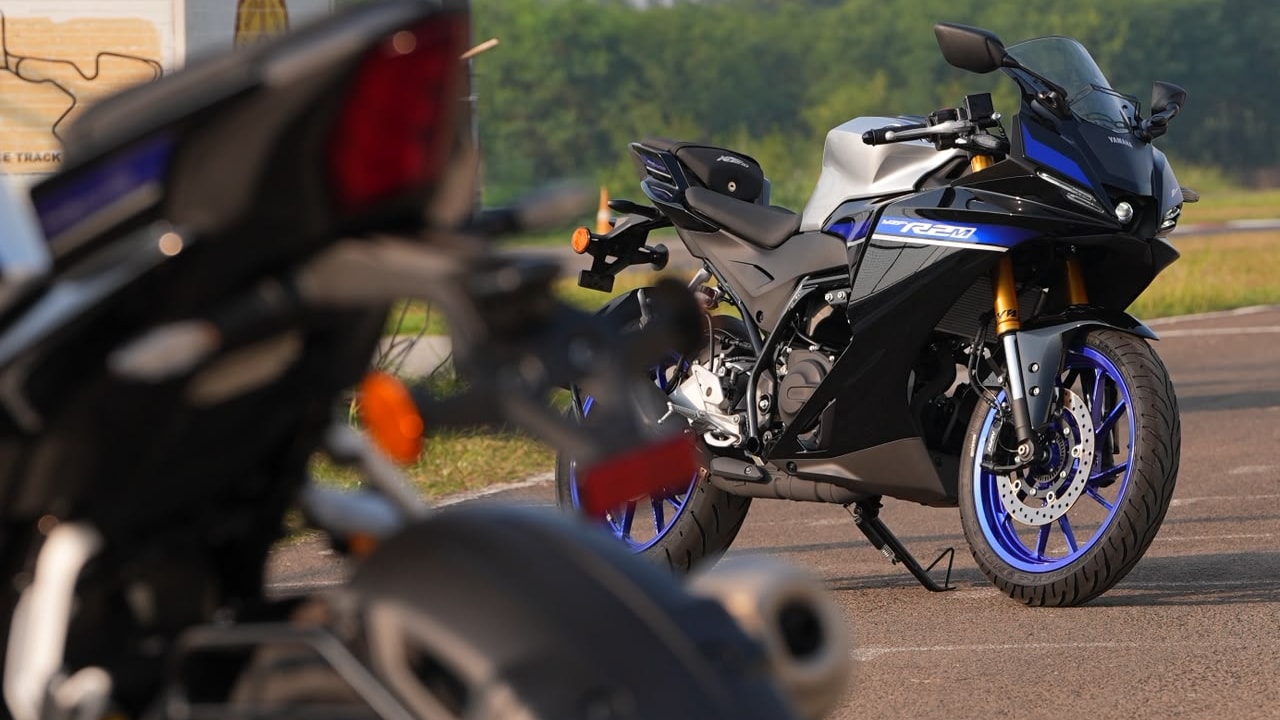
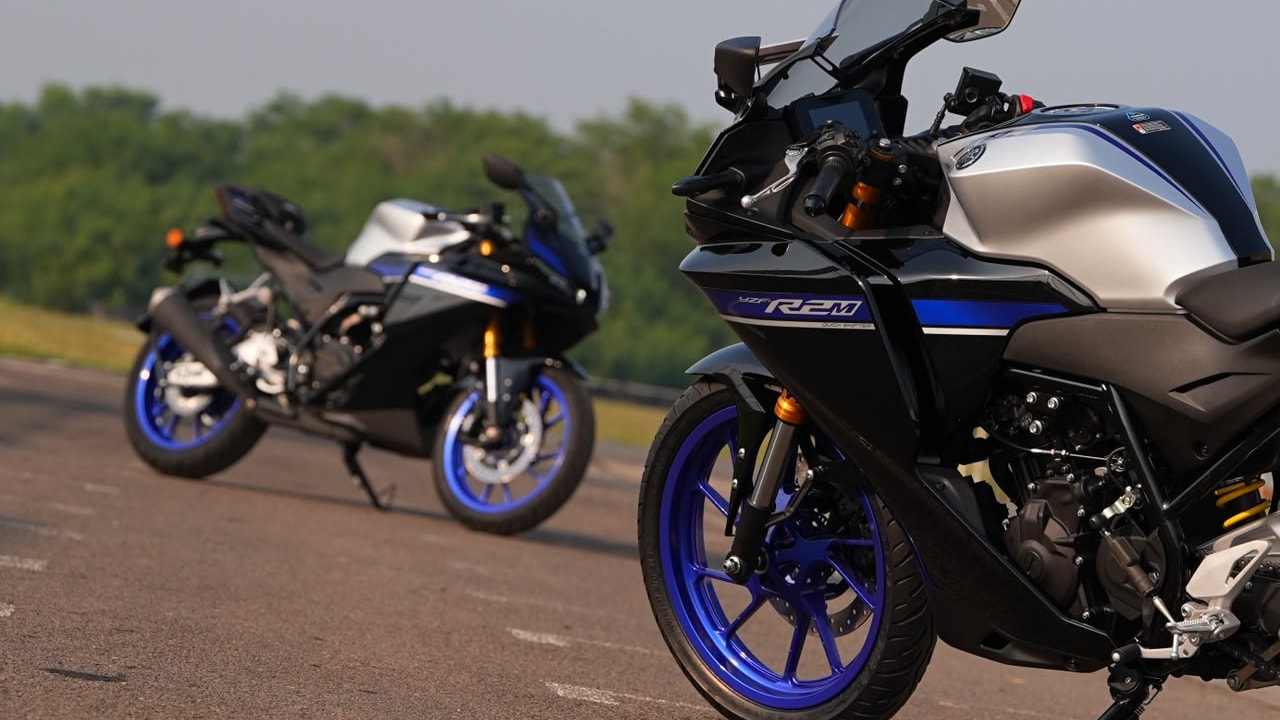
The R2 carries the R pedigree proudly. Visually, it sits closer to the larger R9 in appearance, whereas the R15 always felt more aligned with the R7's proportions. The result is a motorcycle that looks more mature, more aggressive, and more “big bike” than its smaller sibling.
Also Read: Royal Enfield Himalayan 750 Spotted Undisguised, 4 Paint Schemes Revealed
At 810 mm, the seat height is accessible. For someone like me at 5 feet 9 inches, it feels just right, tall enough to look the part, but not so tall that it becomes intimidating in stop-and-go traffic. The riding stance is committed, with a noticeable forward lean, yet it shouldn't be too punishing for street use over reasonable distances.
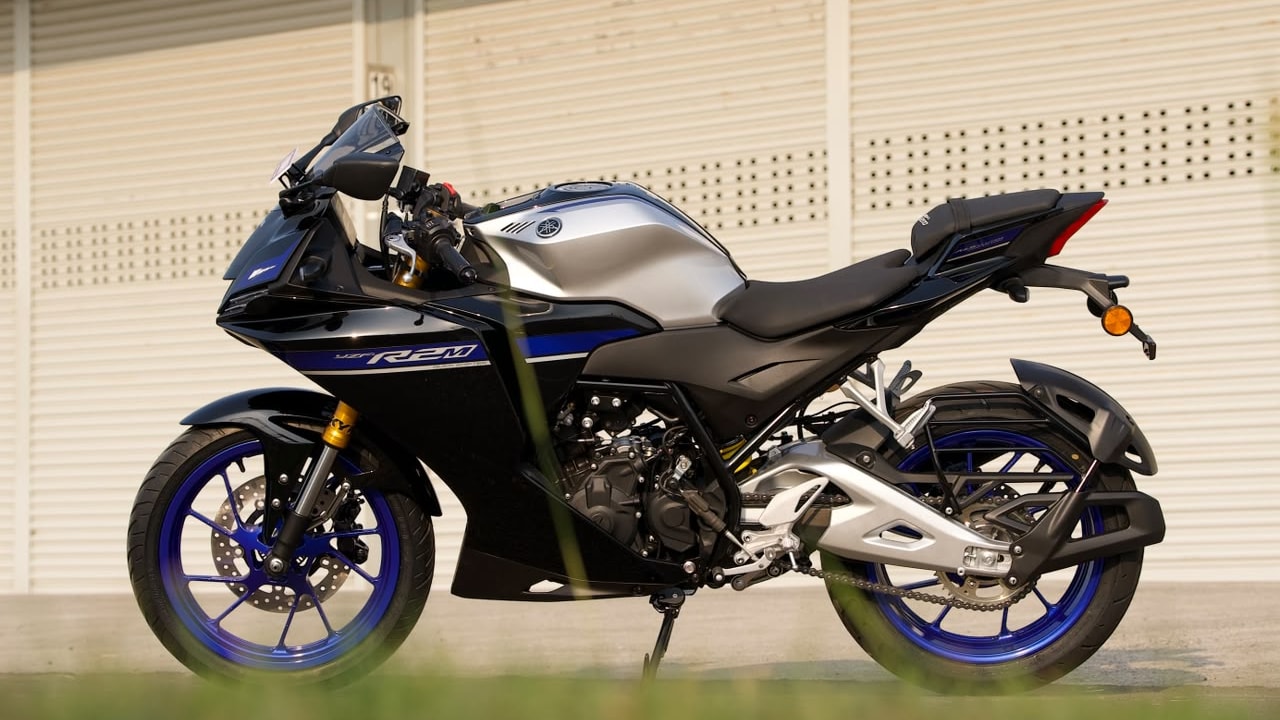
The adjustable footpegs are a nice touch, allowing riders to fine-tune their position slightly depending on whether they prioritise comfort or cornering clearance. The fuel tank (12 liters) is narrow towards the seat, giving your thighs a solid place to grip under braking or acceleration. Overall, the R2 looks sharp, proportionate, and does not deviate from the aesthetics of the R family.
Also Read: Amitabh Bachchan Spotted Driving Mahindra EV, Owns Land Rover Defender Too
Features: Simple, Intuitive, Mostly Effective
Yamaha has kept the control layout clean and functional. The buttons are easy to use, even with gloves on, and swapping through riding modes is easy. The menu structure on the TFT is intuitive; you don't need to dig through layers to change basic settings. The TFT screen's brightness makes it easy to read in most daylight conditions.
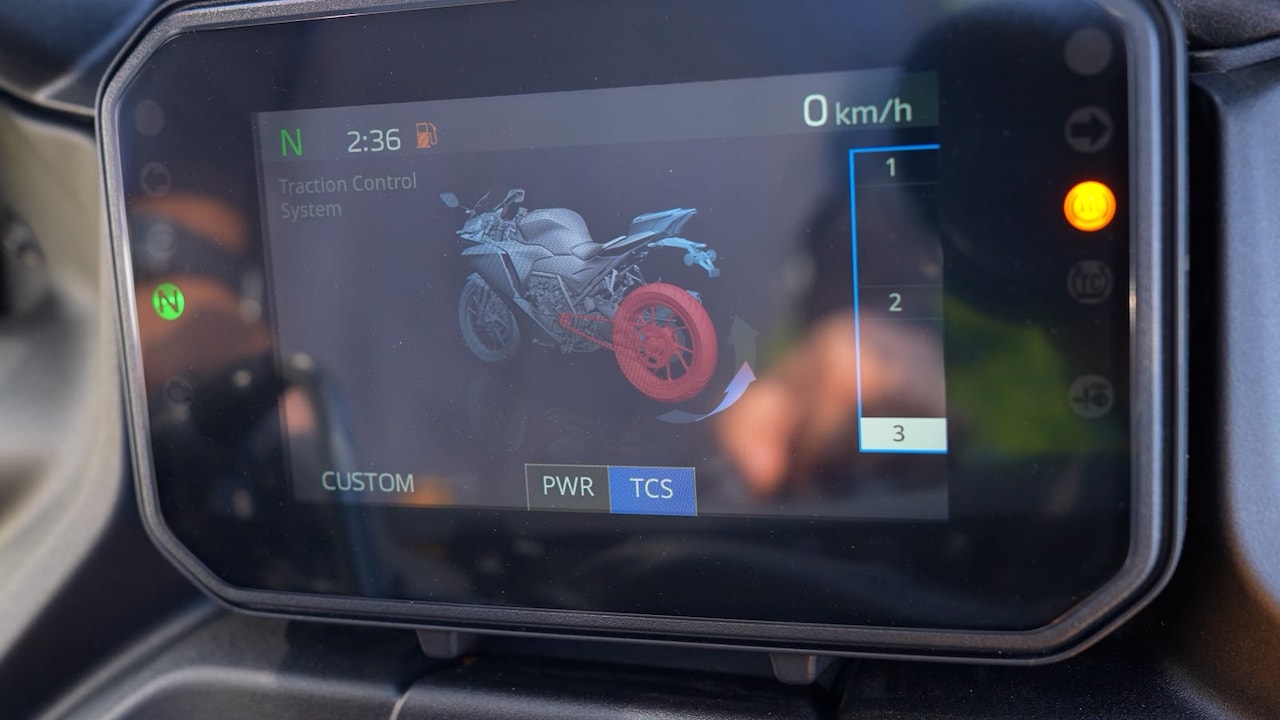
The Japanese brand has ensured that consumers are not left asking for features with elements like traction control and customised ride modes. Riders have the freedom to set the level of intervention they want from the machine. However, the settings didn't make much of a difference during my time on the track.
Handling: Confident, Flickable, With Minor Caveats
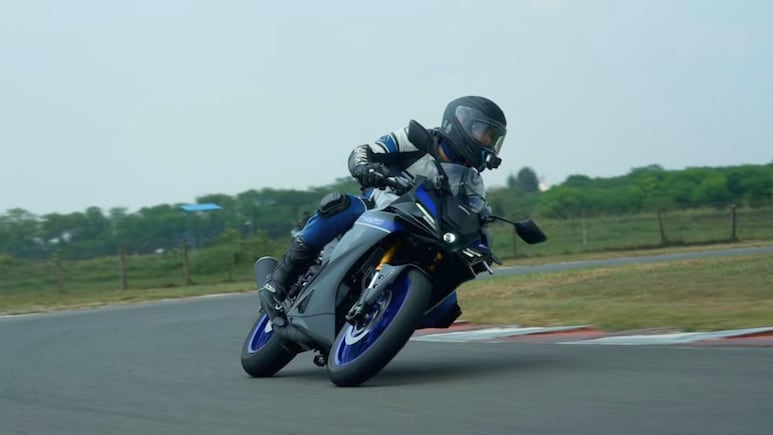
On the move, the R2 handles well. It inspires confidence in corners, leaning eagerly and holding its line predictably. Even when the footpegs started scraping, the bike remained planted and didn't feel unsettled, a reassuring trait when you're pushing harder on a track day.
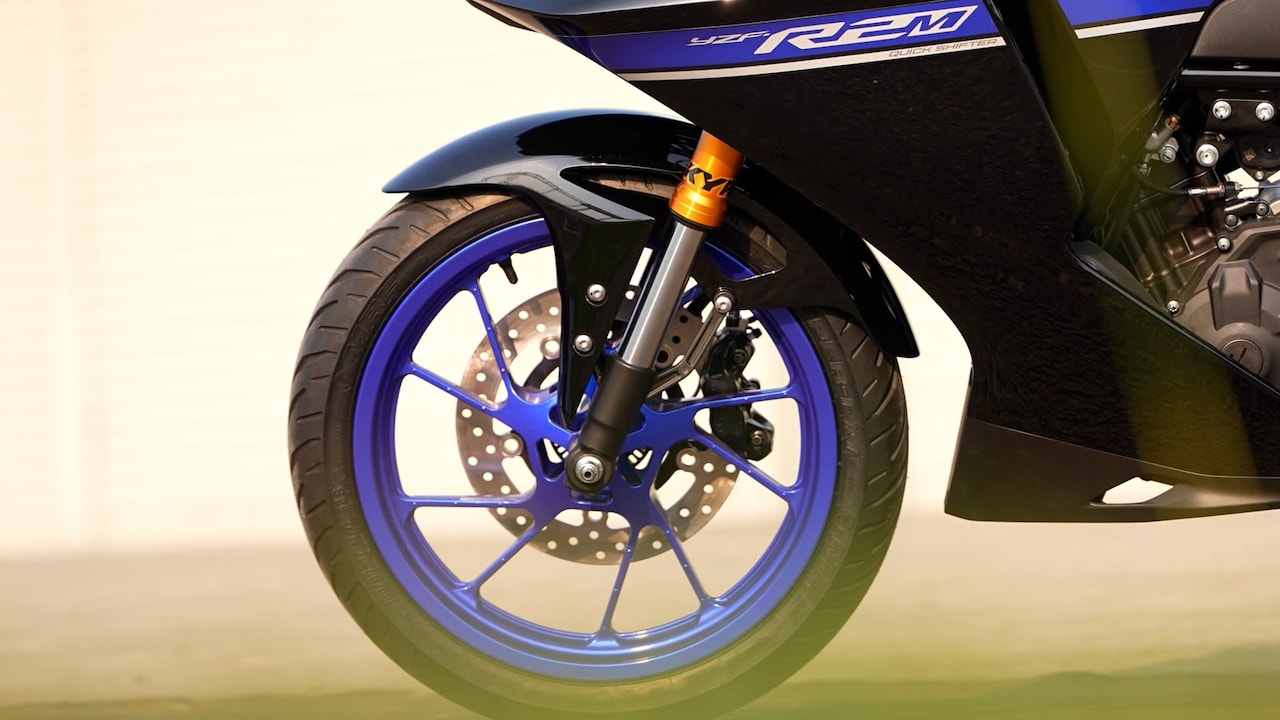
Feedback from the front end is okay, it tells you what's happening. Brakes (282 mm front, 220 mm rear disc with Nissin calipers), meanwhile, need to be stronger. They're adequate for spirited street riding and light track use, but under repeated hard braking, you'll wish for more initial bite and overall stopping power.
Also Read: Range Rover Sport Electric Breaks Cover With 550 HP, 609 Km Range
The suspension is clearly designed to keep the bike stable under braking and through mid-corner bumps. In the "M" variant it also can be adjusted depending on the rider's needs. Like the R15, the R2 is easy to flick even at speed, making direction changes feel effortless in tight sections or when threading through traffic.
Engine: Linear, Willing, But Not Perfect
The engine is where the R2 draws both praise and criticism. It is not as buttery smooth as the R15's unit, there's a certain rawness that comes through, especially as the revs climb. The power delivery is more or less linear, there's no sudden jump in any particular rpm range, which makes it predictable. In terms of outright performance, it's not a huge jump from the R15.
You can't deny that vibrations are present. They start to set in beyond 6,500 rpm and, at higher revs, can be felt through the handlebars, footpegs and seat. The gearbox, however, makes shifting smooth, and the quickshifter helps keep the rhythm flowing on track.
Engine Type: Single-cylinder, liquid-cooled, DOHC
Capacity: 204 cc
Max Power: 26 HP
Max Torque: 19 Nm
Transmission: 6 Speed
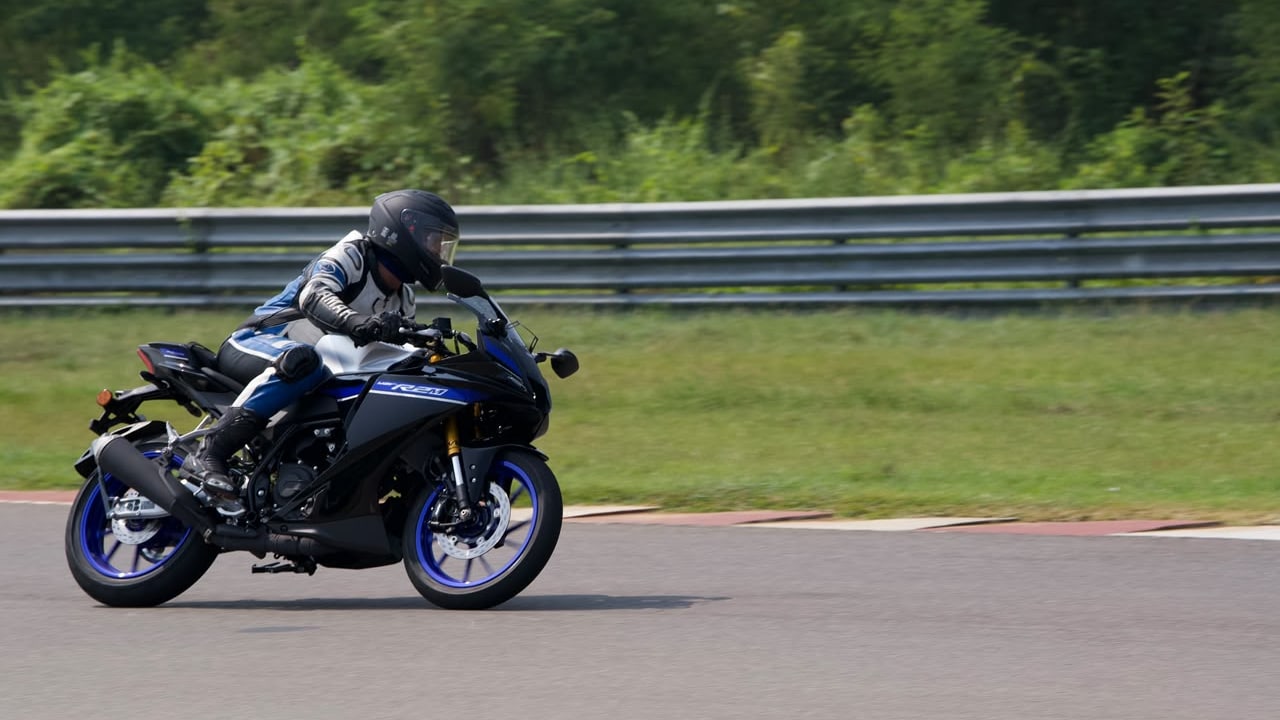
The tractability of the engine is good, it doesn't stall even below 3,000 rpm in third gear, making it forgiving in slow, technical sections.
Verdict: A Worthy R, With Room To Grow
So, does the R2 justify the R pedigree? In terms of looks and handling, absolutely. It feels like a proper sportbike, with the stance, agility and presence to match. It is clearly meant to live on tracks, but it might survive the streets without too much discomfort for daily commutes or weekend rides.
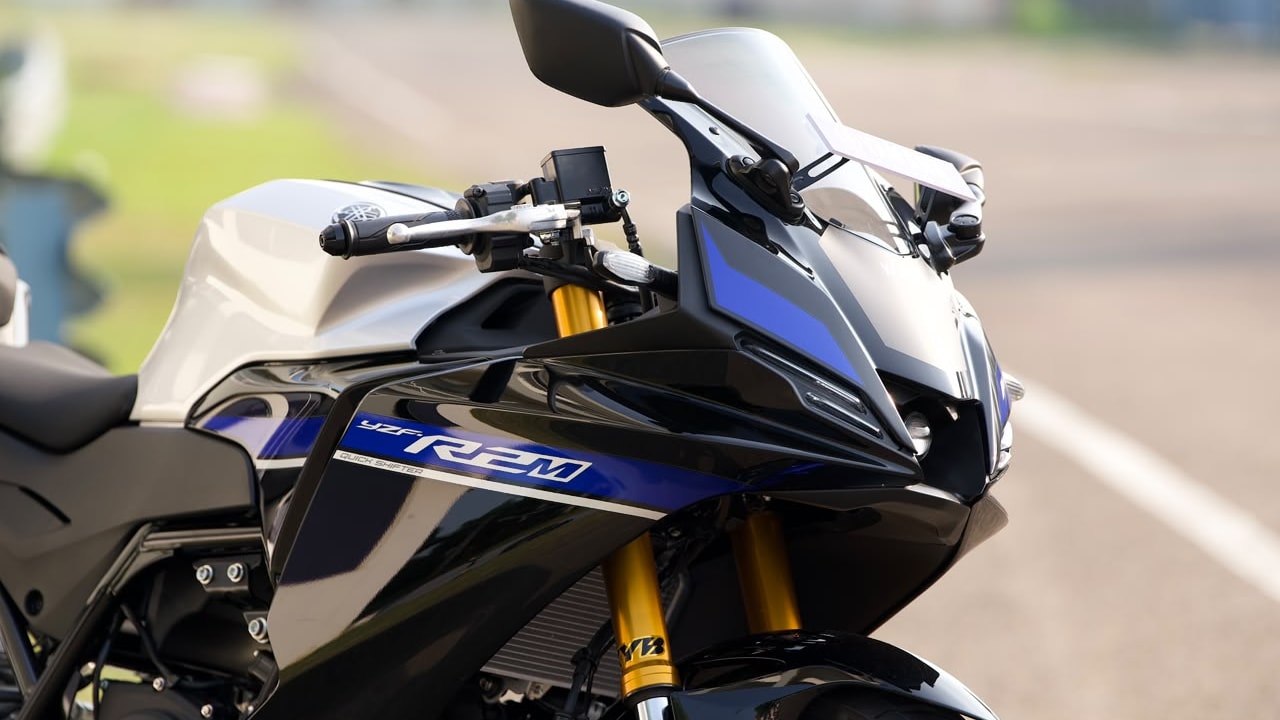
The vibrations need better management, and the brakes could use a bit more strength to match the bike's sporting intentions. Considering the R15 (starting price Rs 1.74 lakh ex-showroom) is still on sale and offers much of this experience at a lower price, the price difference between the two could have been narrower to make the R2 (starting price Rs 2.30 lakh ex-showroom) an even more compelling upgrade.
If you're an R15 owner looking for a more track-focused machine with bigger-bike vibes, the R2 makes sense. If you're buying your first sportbike, just be aware that you're paying a premium for the badge, the looks, and the handling, with an engine that has all the right intentions.
Photo Credits: Rakesh Singh
