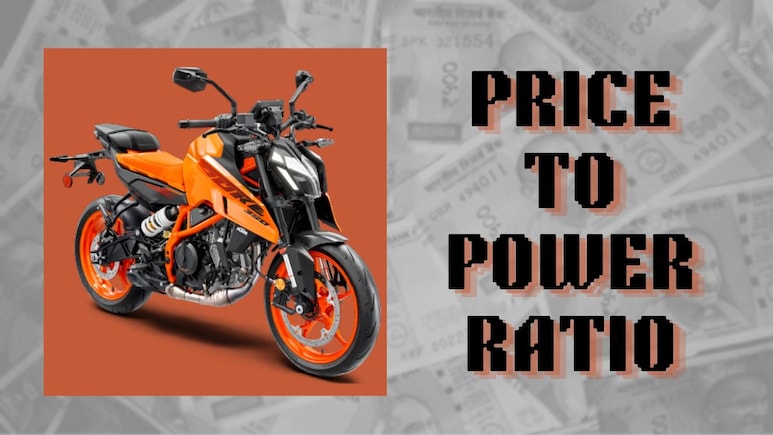
KTM has quietly expanded the Duke 390 lineup with a new 350cc variant, aimed squarely at one objective - lower taxation and better price positioning. By bringing displacement below the 350cc mark, KTM benefits from the 18 per cent GST slab, making the motorcycle more accessible without completely sacrificing performance. While both versions carry the Duke 390 name, the shift in engine capacity changes the economics of what buyers pay versus what they get. Here's how the numbers stack up and what it means in the real world. So, here's all you should know before shopping KTM Duke 390.
KTM Duke 390 350cc Vs 390cc
Lesser Power, Lowered Price, More Sensible?
The standard 399cc Duke 390 produces 46 HP, while the new 350cc version makes 41.5 HP. That drop may look small on paper, but pricing is where the difference becomes meaningful.
-

-
 'AI Scares Me': Kriti Sanon On Personality Rights And Need For Laws
 -
 'This Time I Wanted Gold': Savita Punia Reflects On Historic Asiad Success
 -
 Favourite Bollywood Actor To 5-Year Plan, Kriti Sanon Interviews AI Actor Tilly Norwood
 -
 Neeru Dhanda Carried Homemade Churma To Asiad, Returned With Two Gold Medals
 -
 Inside The Mind Of Archer Kumkum Mohod, Who Dared To Challenge South Korea
 -
 "High Inflation Is Like Tax On Everyone": RBI Governor At NDTV World Summit
 -
 Ashwini Vaishnaw Explains Semiconductor Complexity: 'Everything On This Tiny Nail'
 -
 Indian-Branded Mobile Phones By October 23, 2028, Says Ashwini Vaishnaw
 -
 AI Law In India Soon? What Ashwini Vaishnaw Said At NDTV World Summit
 -
 World's 1st AI Actor Tilly Norwood Was Asked If She Knew Hindi. A Conversation Followed
Indicative ex-showroom pricing:
- 390 Duke R (399cc): Rs 3.39 lakh
- 390 Duke (350cc): Rs 2.77 lakh
Now comes the economics:
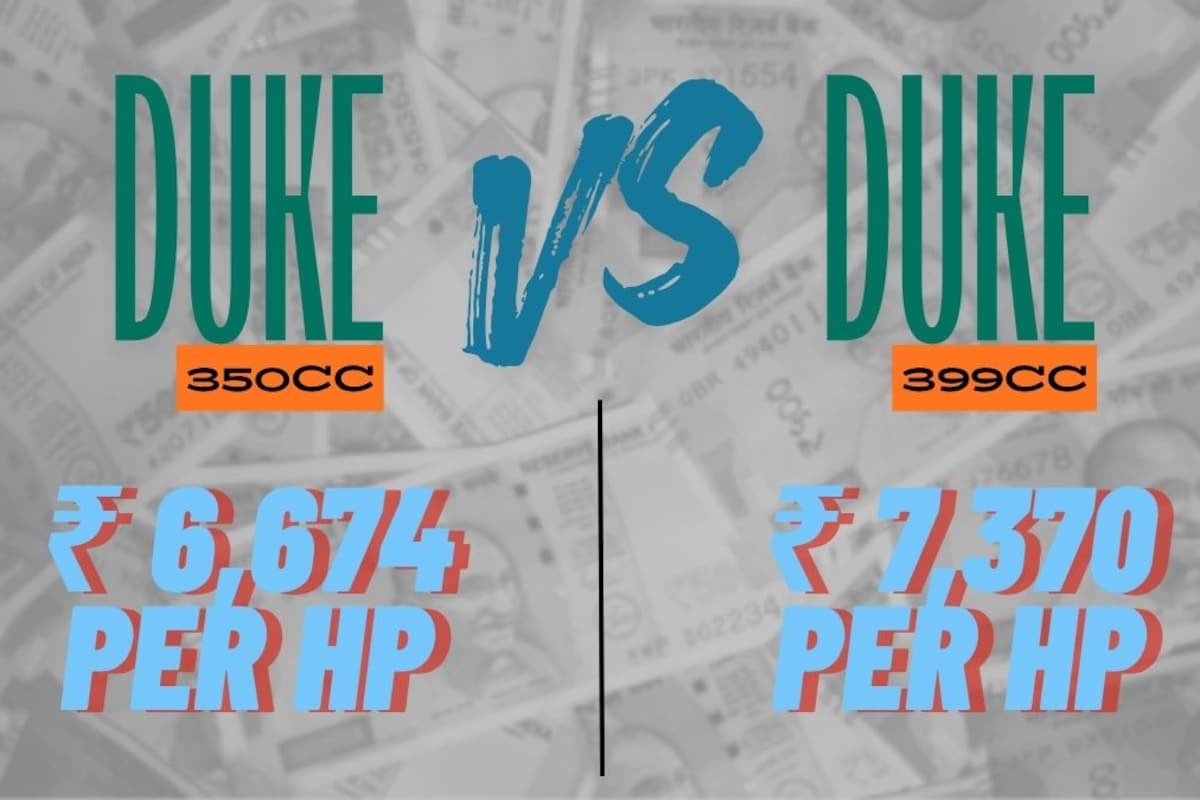
- Duke 390 399cc model: Rs 7,370 per HP
- Duke 390 350cc model: Rs 6,674 per HP
On pure price-to-power math, the smaller engine offers slightly better value. But the 350cc version lowers the entry cost, insurance outlay and tax burden, and it further makes it a more sensible choice if you compare the price-to-power ratio.
In fact, other important components and cycle parts remain the same for both models. The lower Duke 390 350cc model comes with the same features, suspension, and braking components.
Also Read - New-Gen Kia Seltos Mileage Revealed; Diesel MT Runs 22 Km In Rs 100
Watch: Royal Enfield Flying Flea C6 Review: It's Electric, It's Tech-Loaded, It's Fun
Reduced Stroke Length To The Rescue
The move from 399cc to 350cc has been achieved by shortening the stroke, while retaining the same basic engine architecture. This approach allows KTM (and Bajaj, its parent company to control development costs while meeting taxation goals.
A shorter stroke reduces swept volume without drastically altering bore dimensions, helping preserve the engine's rev-happy nature. However, it also results in slightly reduced torque and peak output, especially at higher RPMs. In essence, this is a strategic recalibration rather than a ground-up new motor.
Also Read - Sunrisers Hyderabad's Kavya Maran Adores Luxury Cars; Here's What She Owns
Voila! Another Variant for the Duke 390
The addition of a 350cc Duke 390 doesn't replace the 399cc version. It complements, instead. Enthusiasts can still opt for the full-fat motor, while value-conscious buyers get a more tax-efficient alternative.
It's not about downsizing for the sake of it. It's about smart displacement engineering to align performance, pricing and regulation.
Track Latest News Live on NDTV.com and get news updates from India and around the world
