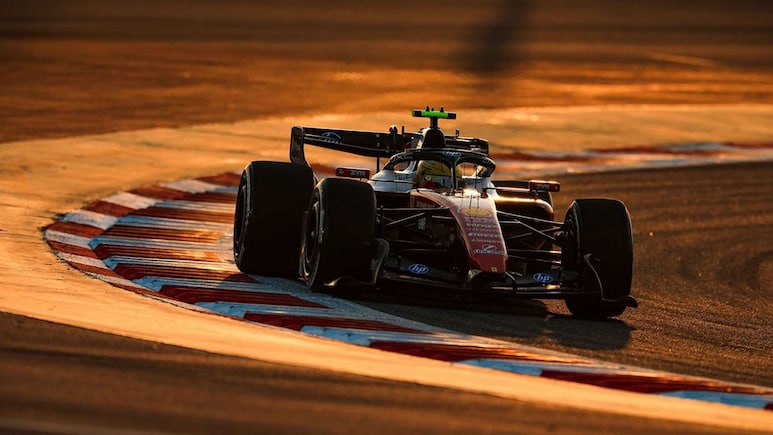
Scuderia Ferrari's 2026 season begins with renewed intent, as the impressive results at the Barcelona Shakedown and Bahrain pre-season testing hint at a serious step forward under the new regulations. With competitive lap times and bold technical innovation, the SF-26 appears more prepared than it has in recent seasons. As the season opener gets closer, the question is no longer if Ferrari can fight at the front, but whether this is the beginning of a real comeback in the Constructors' Championship.
Before the official pre-season test in Bahrain, teams conducted a shakedown at the Circuit de Barcelona-Catalunya, a crucial first step under the all-new 2026 regulations. The focus was firmly on reliability rather than outright pace, but Ferrari quietly made an impression.
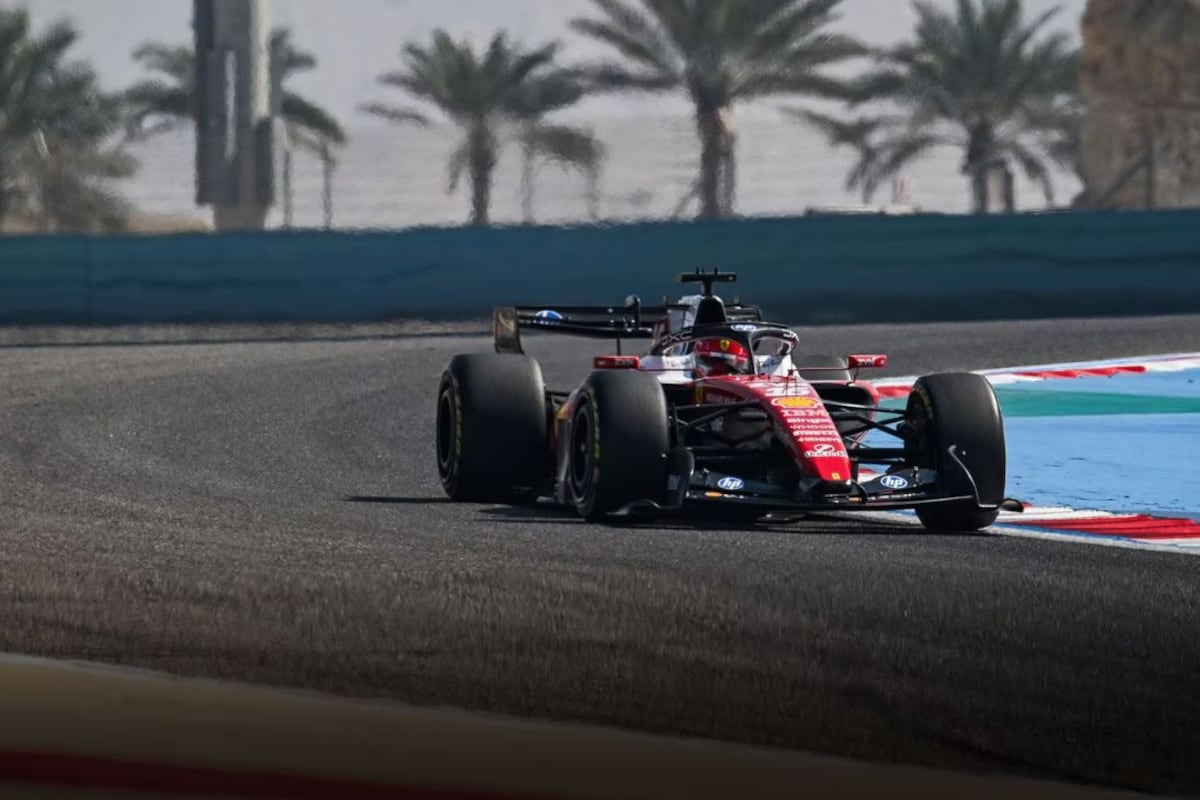
The SF 26 showed encouraging early signs, completing 440 laps across the session, a strong indicator of mechanical stability. Lewis Hamilton set the benchmark time of 1:16.348, as proof that the car was more reliable than the last season.
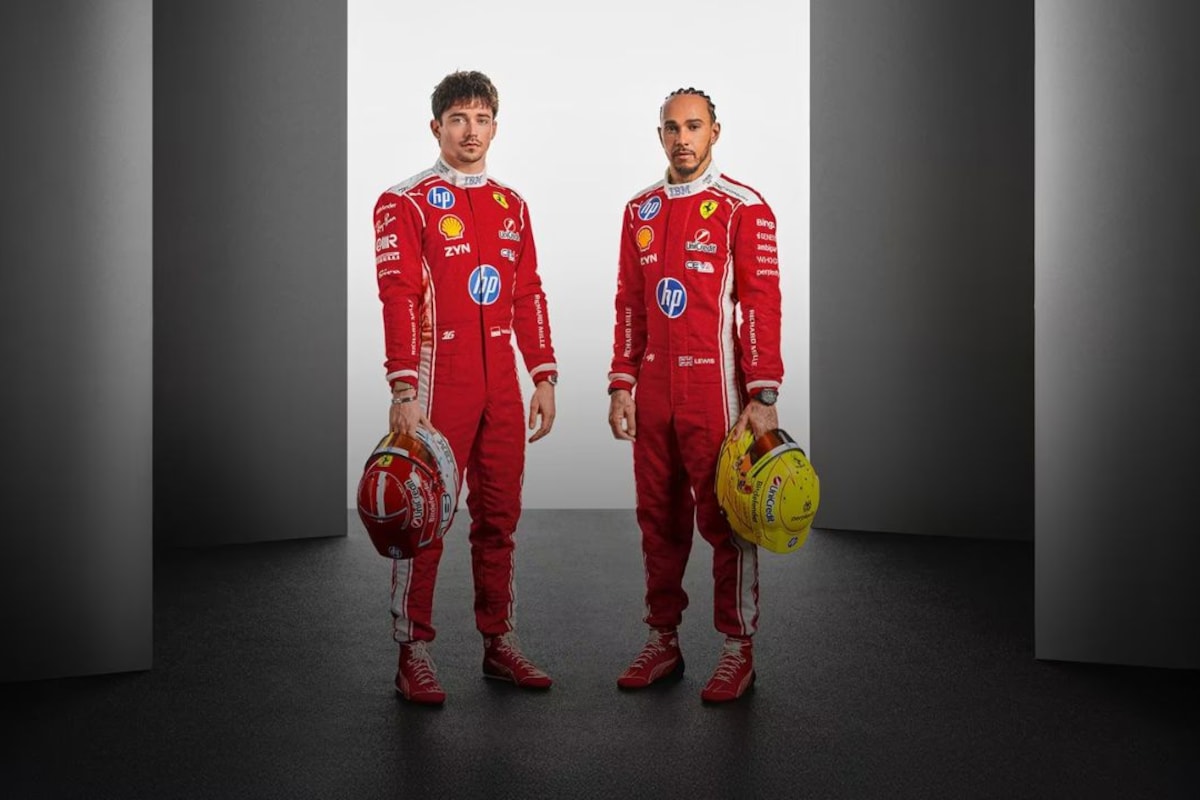
Both Ferrari drivers, Lewis Hamilton and Charles Leclerc, reported positive initial feedback. The emphasis in Barcelona was data collection, correlation work, and understanding the car's behaviour under the new regulatory framework, and not a performance show. For Ferrari, this was about building foundations for the season ahead.
Hamilton's influence was already visible. He revealed that he had spent considerable time at the Maranello factory in winter, working closely with engineers and providing detailed input that shaped aspects of the 2026 challenger. His experience and technical feedback appear to have been integrated seamlessly, suggesting Ferrari has adapted well to its new driver's working style.
Also Read: Hyundai Creta EV Rivalling Honda 0 Alpha Teased Ahead Of 2027 Debut
Pre-season testing in Bahrain provided the first meaningful benchmark of Ferrari's competitiveness under the new regulations.
Day 1 in Bahrain, Ferrari's pace didn't look really promising because of the windy weather conditions, but it got better in the following tests. The car showed stability and pace in both dry and wet conditions.
Leclerc began with installation laps and short aero rakes before moving into controlled performance runs. He looked comfortable, pushing confidently on low-fuel runs. His feedback centred around front-end sharpness and corner-entry stability, areas he values highly. He appeared composed and aligned with the car's development direction. Charles completed 80 laps on Day 1 with 1:35:190 as his fastest, while Lewis finished with 52 with a lap time of 1:36:433.
Hamilton focused on adapting to Ferrari systems, mainly energy deployment characteristics, which seem crucial in 2026 due to the new regulations. No aggressive low-fuel runs, but his emphasis was on understanding the car's behaviour over longer stints.
Day 2, Charles finished a total of 142 laps with the fastest lap time of 1:34:273. Charles's top speed looked quite competitive in the speed trap.
Lewis' pace was highly consistent over 15+ laps, indicating strong balance in medium-speed sectors. His best lap time was 1:39:670, where he ran on extended fuel loads, concentrating on tyre preservation.
On Day 3 of the Bahrain testing, Hamilton focused heavily on long runs and race simulations. His feedback was detailed, particularly on energy recovery and drivability. His experience showed in tyre management and consistency, strengthening Ferrari's development push.
Also Read: Maruti Suzuki Alto K10 Aces Test Track Obstacle Meant For Isuzu D-Max: Watch
Charles Leclerc's car showed strong mechanical grip in slower corners, though slight mid-corner understeer persisted in longer stints. He topped the charts with a lap time of 1:31:992 with 132 laps completed, giving Ferrari fans a new hope in 2026, about stability and a possible constructors' comeback.
Overall, the SF-26 looks mechanically sound, aerodynamically stable, and adaptable to driver input. Leclerc delivered a sharp pace. Hamilton delivered structured development feedback.
The car demonstrated consistent long-run pace, predictable tyre degradation, stable balance evolution across setup changes, and competitive straight-line efficiency.
What Does It Mean For The Fans?
Tifosi are hoping to see fewer shocking retirements and 'what went wrong' race weekends. With the 2026 Regulation reset, showing reliability over performance seemed more crucial in the pre-season testing. Hamilton's influence in Ferrari brings race intelligence and a hope for more strategic fights for the front this season.
While Charles Leclerc seems to chase pace, Lewis is more focused on refining race consistency, which shall help Ferrari develop a more consistent car, adapting to individual driver inputs. This means, lesser anxiety, more reliability, stronger race day executions, and more hopes for the Podium in the 2026 championship.
Also Read: Why Do These Hyundai Cars Have Pikachu On Digital Dashboards? Explained
For the fans, this feels better than the 2025 season. 2026 looks more calculated and quietly promising. There is a visible structure and intent. If Ferrari's Bahrain balance and reliability carry into race weekends, we can truly hope to see Charles Leclerc build a sustained World Drivers' Championship fight built on consistency, confidence, and momentum.
If reliability holds and both drivers deliver as expected, this could finally be a season where hope feels grounded in reality, and a Constructors' Championship comeback suddenly feels realistic.
Track Latest News Live on NDTV.com and get news updates from India and around the world
