
The Automotive Executive Exchange in Delhi turned into a timely checkpoint for the auto industry's next phase, where the conversation was no longer just about electrification or software-defined vehicles, but about how quickly OEMs can connect engineering, manufacturing, and field data into one continuous loop. At the event, NDTV AutoMate spoke with Michele Del Mondo, Senior Director, Global Advisor Automotive, PTC, and Upkar Saini, Vice President and Country Head - India, PTC, on why the industry is at an inflection point, and why AI will only matter if companies fix their foundations first.
Digital Thread: From Best Practice To Mission-Critical
Speaking on the shift automakers are undergoing, Michele Del Mondo said the digital thread has moved from being a "good-to-have" to becoming mission-critical, mainly because the "cost of not knowing" is rising sharply in modern vehicles.
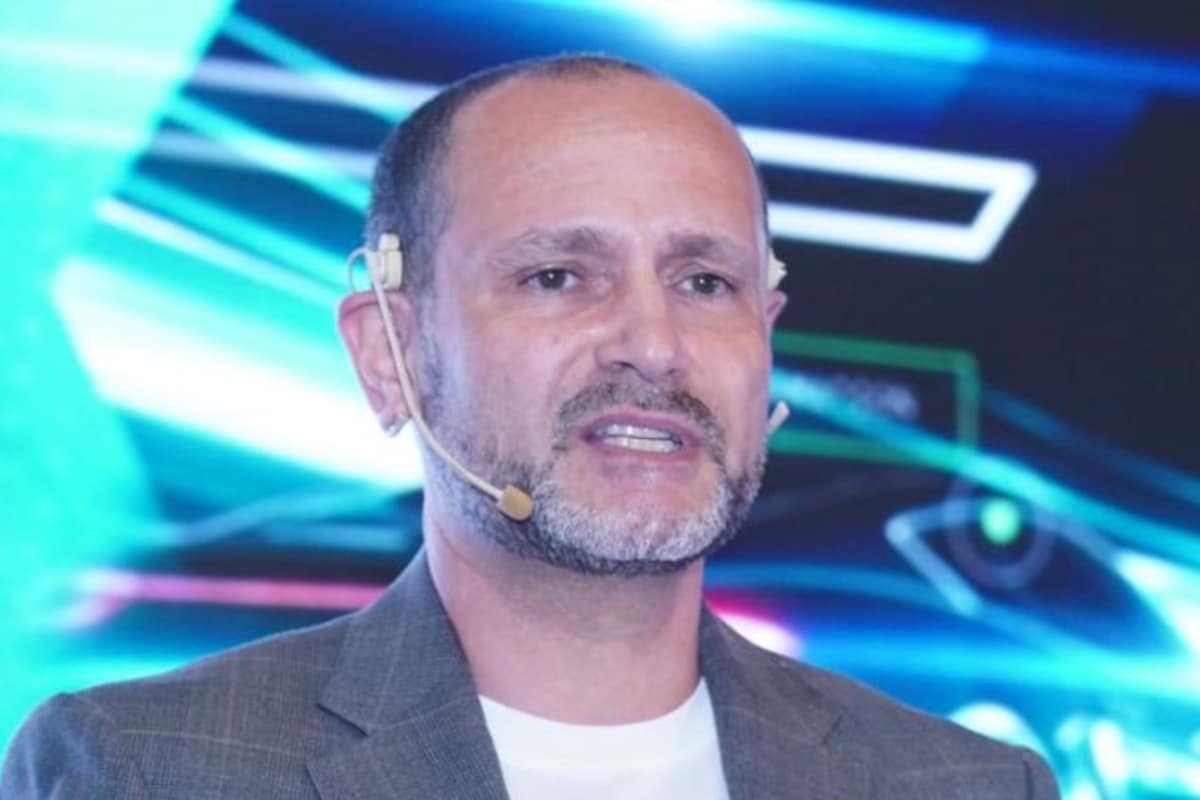
Michele Del Mondo, Senior Director, Global Advisor Automotive, PTC
When asked what that means in practical terms, Del Mondo explained that EVs are systems-of-systems, where battery, software, thermal management, and mechanical elements are deeply interconnected, and changes in one area can ripple across the product. That is exactly why OEMs need traceability from requirements to how the product was built, tested, and validated across the lifecycle.
Software-Defined Vehicles: Seamless Experience, Hidden Complexity
On how software increasingly defines the customer experience, Del Mondo's point was blunt: the end customer shouldn't feel the complexity of multiple systems working underneath. The experience should feel as seamless as smartphone updates.
He noted that the burden of complexity sits with OEMs and suppliers, not customers. In other words, drivers don't care whether the feature relies on mechanical, electrical or software subsystems. They only care that it works, updates smoothly, and remains reliable over time.
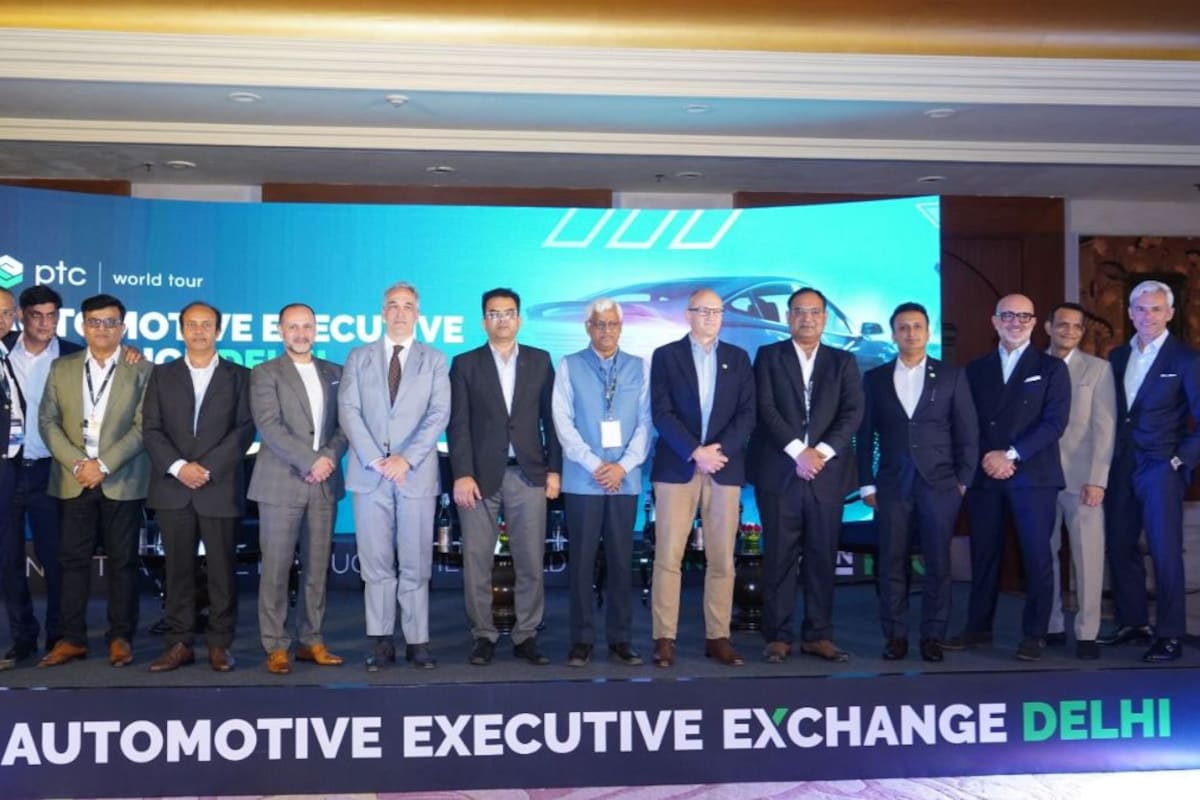
Automotive Executive Exchange Delhi - PTC World Tour
Reducing Development Time: Strategic Reuse Is The Shortcut
When asked about pressure to shorten product cycles, Del Mondo said the industry must move beyond the old concept of job number one (the traditional launch finish line). The reality now is an infinite timeline, because vehicles keep receiving updates and evolving after sale.
His answer to faster development without losing control was strategic reuse. Reusing proven components and solutions, but only when the OEM has full visibility into what exists, how it was tested, and whether it can be reused safely. And again, that visibility comes from a properly implemented digital thread.
PTC India: AI Needs The Right Data Foundation First
From an India and OEM transformation lens, Upkar Saini said the industry is moving away from siloed approaches toward a more integrated model, and that creates a big opportunity. He described PTC's approach as building a product data foundation, so product design isn't locked inside engineering teams but becomes a meaningful innovation asset across design, manufacturing, and services.
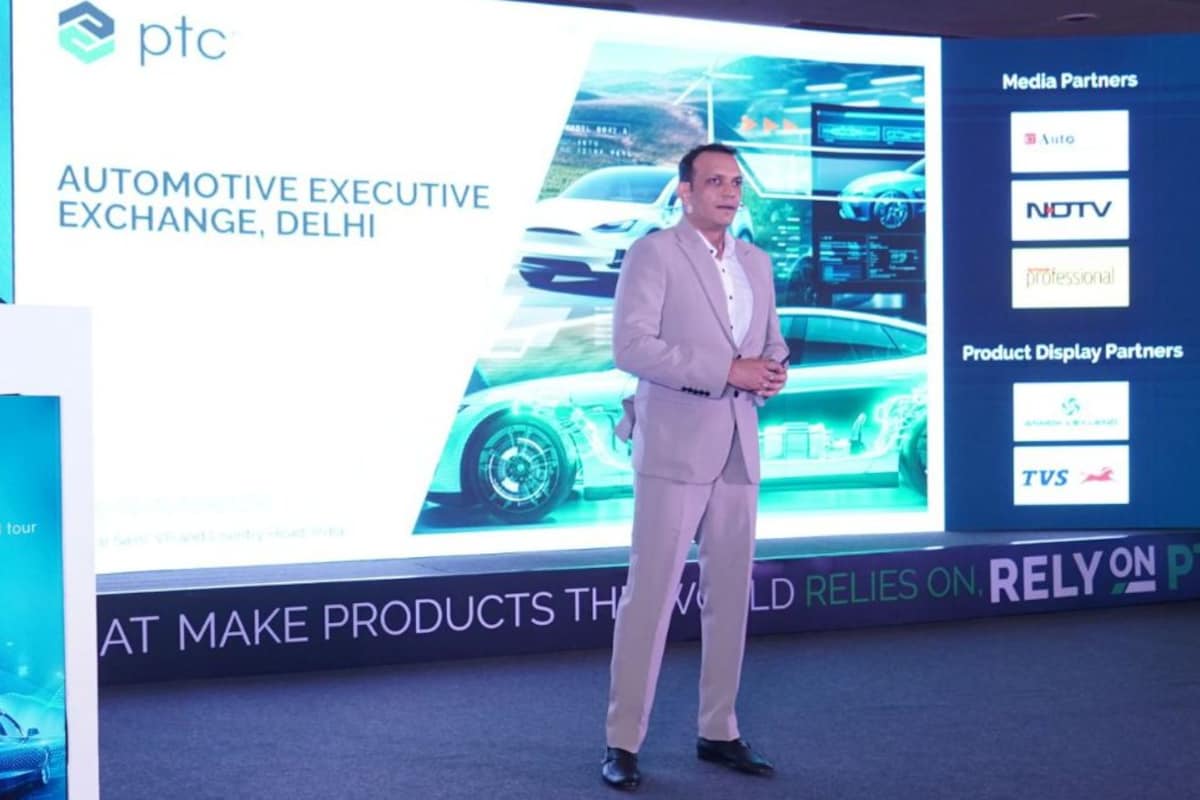
Upkar Saini, Vice President and Country Head-India, PTC
When asked about AI, Saini acknowledged it's the headline topic everywhere, but stressed that AI cannot be treated as a standalone feature. OEMs don't want AI as a discrete solution; they want it as an intelligent layer sitting on top of clean, structured product data.
India's Big Opportunity: Not Tools, But Mindset
On what Indian OEMs must do next, Saini pointed to a theme that keeps returning in modern auto transformation: organisational change management. He said most OEMs already have some form of tech stack, but many still operate it in silos. Breaking those silos, aligning teams, and treating transformation as an organisation-wide shift, but not a tech project, is what will unlock shorter development cycles and global competitiveness.
Track Latest News Live on NDTV.com and get news updates from India and around the world
