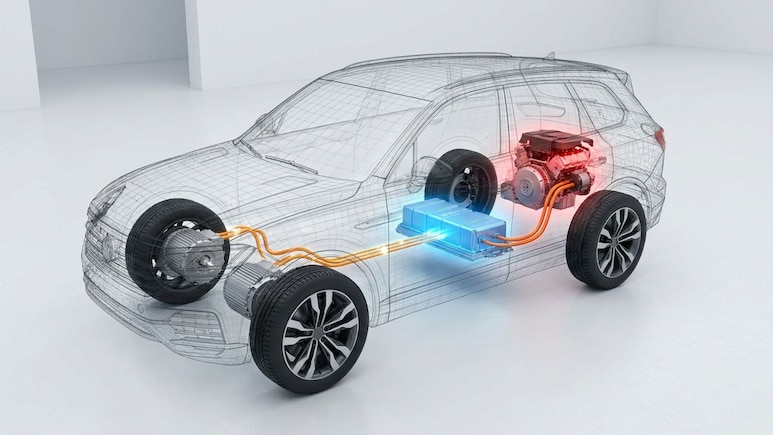
The Indian automotive market is at a massive inflection point. While pure battery electric vehicles (BEVs) are finding a strong footing in urban commuting, the "range anxiety" wall remains a harsh reality for long-distance highway driving. This is where Range-Extender Electric Vehicles (REEVs) step in. As global heavyweights pivot their strategies and Indian buyers demand a no-compromise transition to electrification, the REEV could be the exact trend-setter our market has been waiting for. Here is why this technology is poised to dominate.
What Exactly Is Range-Extender EV (REEV)?
To understand a REEV, you must first understand what it is not. It is not a traditional hybrid, nor is it a Plug-in Hybrid (PHEV).
In a traditional hybrid or PHEV, both the internal combustion engine (ICE) and the electric motor can physically drive the wheels, often switching back and forth through a complex transmission.
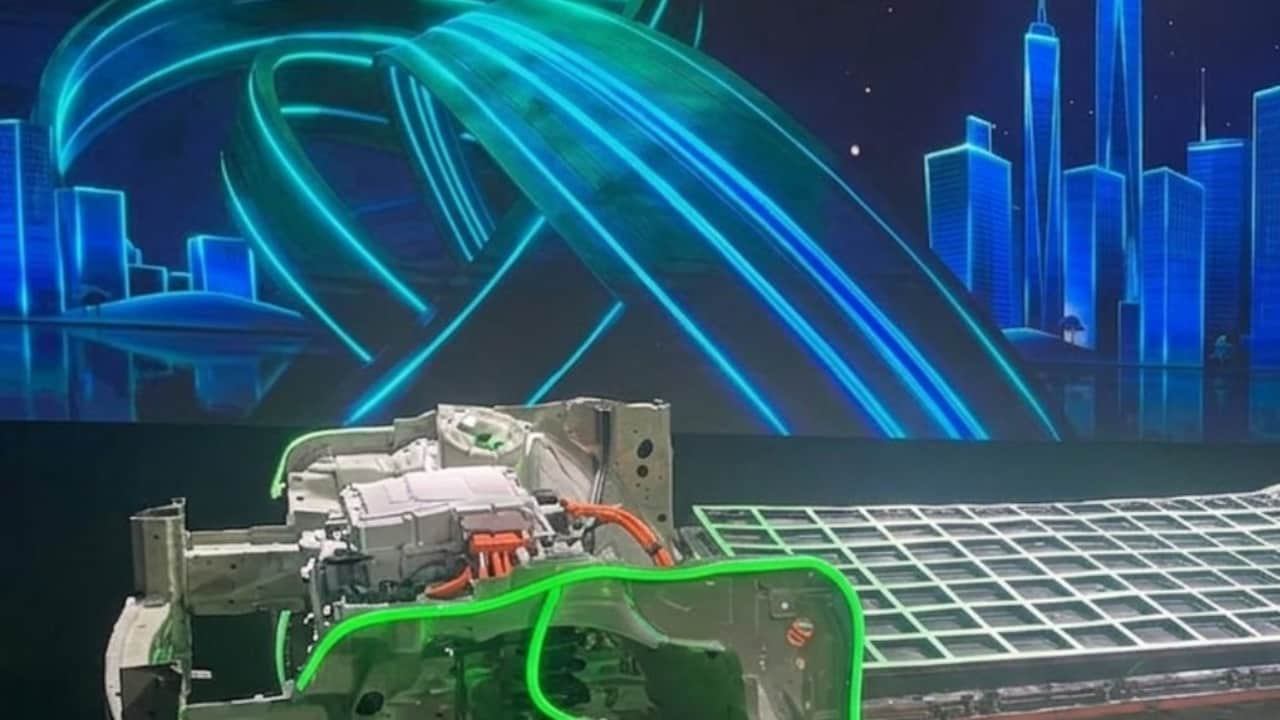
MG ADAPT Platform
In a Range-Extender EV, the architecture is radically different: The combustion engine is entirely disconnected from the wheels.
A REEV is fundamentally a battery electric vehicle driven only by electric motors. However, it carries a small, highly efficient petrol engine onboard. This engine acts purely as an onboard power generator. Its sole job is to burn a small amount of petrol to generate electricity, which either feeds directly into the battery pack or powers the electric motors when the plug-in charge runs out.
Why REEVs Make Perfect Sense For India?
India's unique infrastructural challenges make it the ideal breeding ground for REEV technology.
1. Eliminating Highway Range Anxiety
While metropolitan areas are seeing a rapid expansion of fast chargers, India's vast highway network is still severely lacking. A pure EV owner embarking on a 600 km road trip must meticulously plan charging stops and pray the chargers are functional. A REEV eliminates this entirely. You get the silent, torque-heavy drive of an EV, but if the battery dies in the middle of nowhere, the onboard petrol generator seamlessly kicks in. You simply pull into a standard petrol pump, fill the tank in two minutes, and keep driving on electric power.
2. A Smaller Battery Means Cheaper Car
The biggest cost component of a pure EV is its massive, heavy battery pack (often 50 kWh to 80 kWh for long-range models). REEVs can utilize much smaller batteries (typically 15 kWh to 30 kWh) because the onboard generator provides the long-distance safety net. This significantly reduces the vehicle's manufacturing cost, making the initial purchase price far more accessible for the average Indian buyer.
3. The Ultimate "One Car" Solution
Most Indian households operate as single-car families. An EV might be perfect for the daily office commute, but feels limiting for the annual trip to the hometown or hill station. A REEV bridges this gap flawlessly. For 90% of your daily city driving, you charge it at home and drive purely on battery power, burning zero fuel. For the 10% of the time you need to do a cross-country trip, the petrol generator ensures you never get stranded.
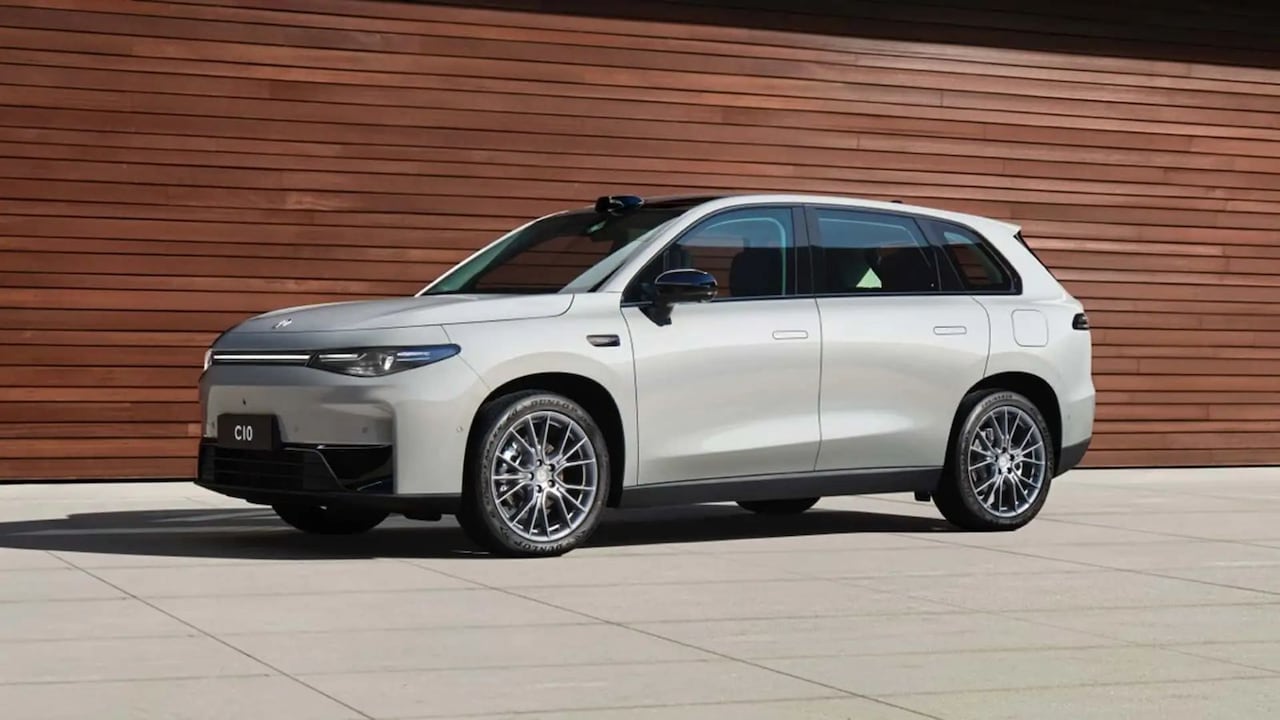
Leapmotor C10 Reev
The Global Shift Is Already Here
The industry is already pivoting. Nissan's "e-Power" technology operates on a very similar principle and has found massive global success. More recently, automotive giants like Hyundai have announced dedicated plans to develop REEV platforms to counter the slowing growth of pure BEVs, while global brands like Stellantis (with the Ramcharger) and China's Li Auto are already proving the massive commercial viability of the concept.
As the Indian consumer demands the eco-friendly benefits of an EV without the infrastructural compromises, the Range-Extender EV isn't just a stepping stone; it might just be the definitive future of mobility.
Track Latest News Live on NDTV.com and get news updates from India and around the world
