-
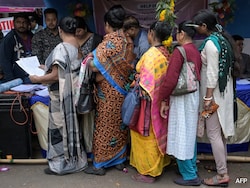
Odisha SIR: More Than 20 Lakh Voters Deleted From Electoral Roll
Odisha SIR: According to official, , At least 20,12,000 voters were removed for various reasons while 8,32,000 of them were dead and 8,08,000 of them shifted permanently.
-

Delhi PG Building Collapse: Court Extends Judicial Custody Of 6 Accused
The property was leased to PG operators Shubham Tyagi and Sudhanshu in August 2025, after which they operated it as a paying guest accommodation under the name 'Hostel Daze'.
-
2 Workers Killed In Fire At Tyre Oil Factory In UP
The fire broke out around 5.30 pm, when six workers were loading tyres into a tank at the Om JVRD factory near Jariha village in Gajner, about 44 km from the district headquarters, the officials said.
-
Man Kills Wife, Surrenders At Police Station In UP: Cops
Manish, a resident of Abdulapur, came to the Bhawanpur police station and informed that he slit the throat of his wife, Kavita (25).
-
Hyderabad Cop Video-Calls Woman, Then Dies By Suicide
Citing preliminary inquiries, police said that he died by suicide after becoming distressed over issues related to his proposed marriage.
-
Delhi's Oldest Voter, 125, Gets Poll Body Notice Over Name Mismatch
The centenarian, identified as Shyam Mukhija, has been flagged for a "self name mismatch" in the electoral roll for the Sadar Bazar assembly constituency
-
15 Hours, 170 CCTVs: Child Rescued From Kidnapper After 100-km Chase
Investigating the kidnapping posed a severe challenge, as Lalit did not carry a mobile phone, leaving law enforcement without technical phone-location tracking.
-
Mumbai's 'Suleman Usman Mithaiwala', Instamart Store Latest To Lose Licences
Live flies were found inside food storage carts, while dead insects, dirt and heavy ice build-up were found inside refrigeration units, the food regulator informed.
-
Prayers Stopped On Kartarpur Corridor, Akal Takht Questions Restrictions
The Sikh sangat had gathered at Dera Baba Nanak to pray for the early reopening of the Kartarpur Sahib Corridor.
-
Delhi Man Sexually Assaults 6-Year-Old Girl, Locals Hand Him Over To Cops
According to police, a group of people arrived at the Shidipura police post with the minor and her family at around 6:30 pm and informed them that the man had been caught sexually assaulting the girl.
-
Delhi Teenager Raped By 3 Men Posing As Cops Near Kalkaji Mandir
According to the complaint, the girl went to Kalkaji Mandir with her 17-year-old male friend around 7 pm on Monday.
-
Rider Dies, Wife Injured After Speeding Thar Hits Scooter In Greater Noida
A large crowd gathered at the scene immediately after the accident, while the driver of the Thar abandoned the vehicle and fled.
-
Naga Teen Shot Dead In Manipur By Rebels, 20 Rounds Of Bullets Fired
According to them, the 17-year-old boy, identified as NK Wiphenbou, was walking alone from the Upper Nkou village to Tamei town when he was attacked.
-
Stones Thrown At Congress Leaders Gaurav Gogoi, Bhupesh Baghel's Cars In Assam
The party has alleged that BJP workers attacked their convoy carrying top leaders. A police complaint has been filed.
-
ABVP Breaches Left Bastion, Sweeps Student Union Elections In Kerala College
The ABVP described the result as a rejection of what it called the SFI's "anti-student policies". A representative of the organisation said the win at this college would give a strong boost to other ABVP units across Kerala's campuses.
-
Row Over Kailash Vijayvargiya's 'Weight' Remark On Councillor. She Responds
Vijayvargiya praised local BJP councillor Sandhya Yadav for her work and active involvement in the area. The speech took a controversial turn when he commented on her weight.
-
IIT Bombay, IIT Madras Faculty Defend Professor In Student Suicide Row
The IIT Madras Faculty Association said it stood with IIT Bombay's Professor Doolla while also extending its condolences to the family, friends and classmates of Sahil Wakode.
-
Money Trail From Rs 67 Lakh Fraud Leads Police To 'Digital Arrest' Victim
The Intelligence Fusion and Strategic Operations Unit (IFSO) of Delhi Police was investigating a digital arrest fraud reported on the National Cybercrime Reporting Portal, in which Rs 67,30,300 was allegedly defrauded from a victim on 20 September.
-
1 Dead After Speeding Scorpio Rams Pilgrims In Gujarat, Mob Sets SUV On Fire
The incident happened near the Dolgarh-Patiya highway intersection in Gujarat's Himmatnagar. Over 10 people were also injured.
-
Walls For Stray Cattle, Safer Exits: New Guidelines For High-Speed Highways
The guidelines are meant to bring uniformity to the way upcoming high-speed National Highways are planned and designed.