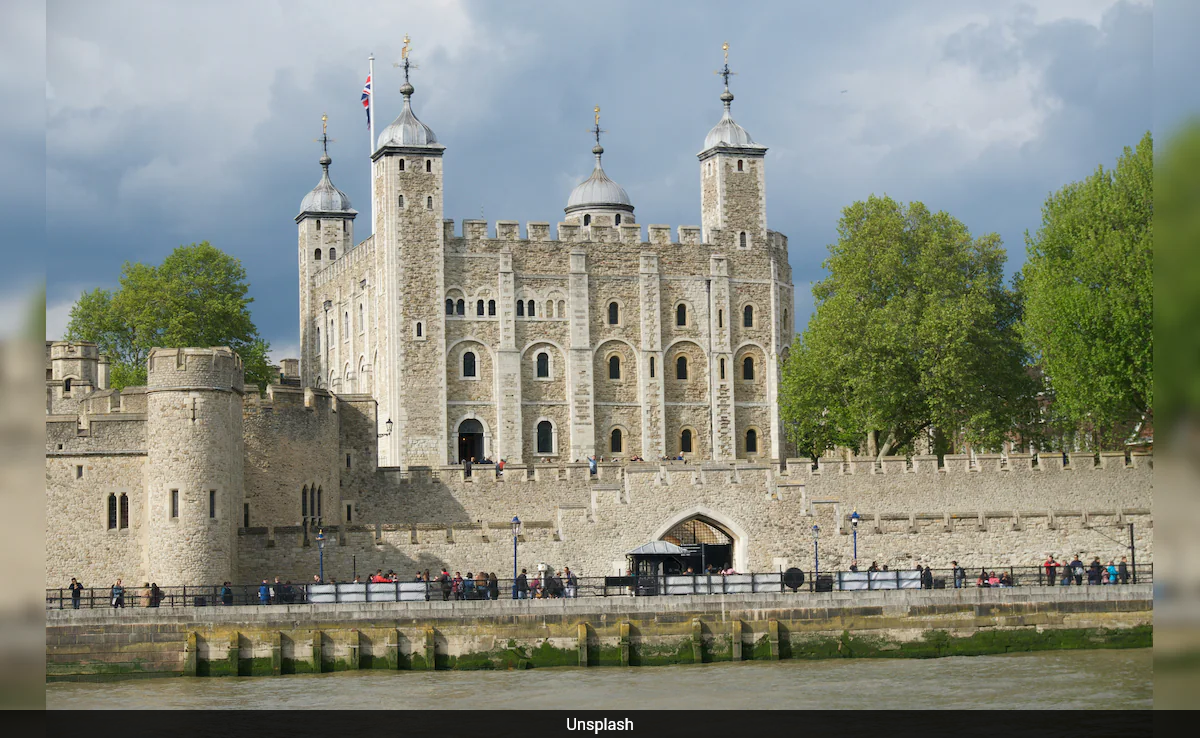
Archaeologists have uncovered more than 20 previously unknown burials during new excavations at the Tower of London, shedding fresh light on the lives and deaths of people linked to the historic site.
The discoveries were made near the Chapel Royal of St Peter ad Vincula, following the first major archaeological excavation at the Tower in nearly 30 years. It is also the first time this specific area of the grounds has been excavated. The work is being overseen by Historic Royal Palaces, the charity responsible for managing the Tower.
The excavation began after plans were approved to install a new lift to improve visitor access to the 500-year-old chapel. Under UK law, major construction projects must be preceded by archaeological investigations.
Archaeologists have identified remains from different periods, including a cluster of individuals dating back to the 14th century who may have been buried during an outbreak of plague. Four other burials, dated to the 12th or 13th century, were found in coffins, an unusual practice for that time, suggesting the individuals may have held high social status.
"Undertaking these two excavations," says Alfred Hawkins, Curator of Historic Buildings at Historic Royal Palaces, "has provided us with a generational opportunity to enhance our understanding of the evolution of the Chapel of Saint Peter ad Vincula, and the buildings which stood before it."
"Alongside this, through undertaking a rigorous scientific assessment of the remains encountered in 2019, we have been able to start to build up a more detailed picture of the individual lives of the people who lived, died, and worshipped within the chapel, which will only be enhanced through the results of the current, larger excavation."
"These excavations were essential as part of our mission to provide greater access for people to visit this important place of worship, but they have also given us an amazing opportunity to explore the site in more depth than ever before, and I'm looking forward to starting analysis on some of the other amazing finds we have uncovered along the way," Alfred Hawkins added.
Several rare grave goods were also discovered, including fragments of burial shrouds and pots containing charcoal, a type of item rarely found in mediaeval English graves.
In addition to human remains, researchers found traces of earlier buildings on the site, including burned material from a chapel built in the 13th century and destroyed by fire in 1512.
Experts say further study of the remains could reveal valuable information about health, status, and living conditions at one of England's most iconic landmarks.
Track Latest News Live on NDTV.com and get news updates from India and around the world


