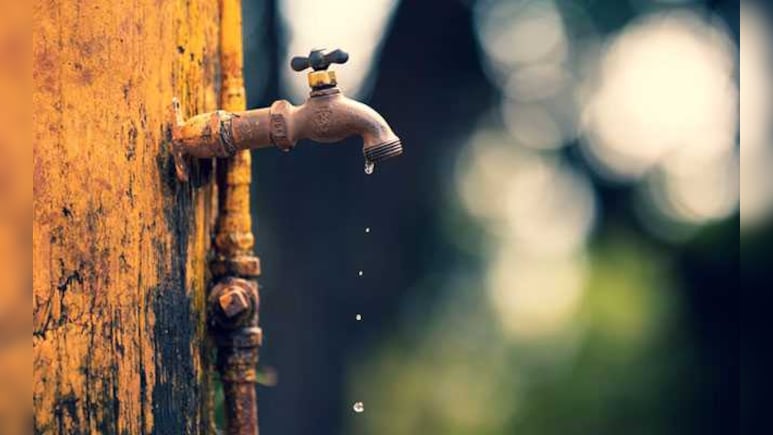
Iran is confronting one of its worst water shortages in decades, and the situation in the capital, Tehran, has turned alarming. President Masoud Pezeshkian has warned that water will be rationed if rains do not arrive by December, adding that if conditions continue to deteriorate, residents “have to evacuate.”
For a city of around 15 million people, the idea of taps running dry has created deep anxiety. Earlier this month, worshippers gathered at a Tehran mosque, praying for rain as the dry spell stretched on with no relief.
While Tehran is receiving most of the attention, experts say the crisis is widespread. Around 20 provinces have not seen a single drop of rain since late September, according to University of California, Davis researcher Mohsen B Mesgaran. Reuters reports that about 10 per cent of Iran's dams are effectively dry.
Iran is now experiencing its worst drought in at least 40 years, Amir AghaKouchak of the University of California, Irvine told CNN. Water levels are falling “at a time of year when you would normally expect storage to be recovering, not collapsing further.”
Tehran's main reservoirs are almost depleted. Mohsen Ardakani, head of the city's water authority, said they were only around 11 per cent full.
- Latyan Dam: about 9 per cent full, its reservoir reduced to bare riverbed in many areas.
- Amir Kabir Dam: roughly 8 per cent of total capacity, according to Reuters.
- In Mashhad, Iran's second-largest city, reservoir levels are just 3 per cent, ISNA News reported.
Experts say the crisis comes from decades of mismanagement layered on top of climate change. Iran has over-extracted groundwater, built numerous dams that restrict natural flows, and allowed massive water loss through aging, leaky infrastructure. Mesgaran said that “an estimated 30 per cent of treated drinking water is lost through old, leaky distribution systems.”
Drought-driven heat has intensified. Iran is now in its sixth consecutive year of drought, with conditions that “would not have been possible without human-caused climate change,” according to a World Weather Attribution study.
Authorities have avoided declaring official rationing, but many Tehran residents report low water pressure and intermittent dry taps. Poor communication by the government has fueled mistrust and even conspiracy theories, including claims that foreign powers are “stealing clouds.”
Evacuating Tehran remains highly unlikely, experts say. “Where would people even go?” Mesgaran asked.
Kaveh Madani of the UN University's water institute warned that Iran is in “water bankruptcy.” The government has also attempted cloud seeding. Madani described it as something “desperate governments” use to show they are taking action.
Track Latest News Live on NDTV.com and get news updates from India and around the world


