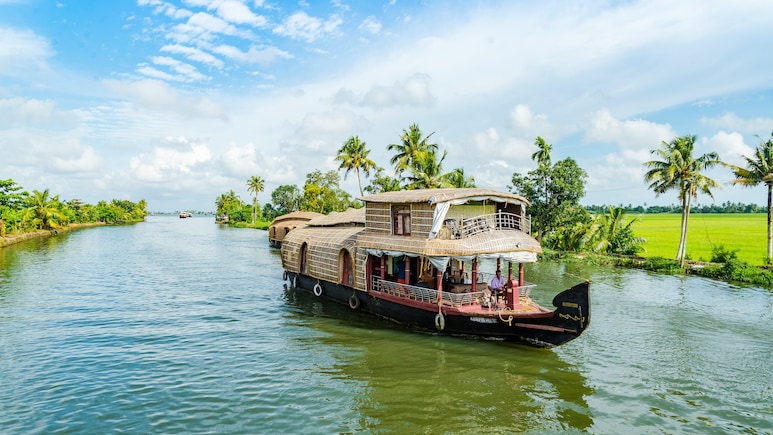
There are some places that share their true essence in subtle ways: in a drifting scent, a shift in texture, and the quieter details found off the usual path. Kerala is one such place. Travellers arrive for the beaches, houseboats and hill stations, but there's another side to the state that often unfolds only when you wander into its lesser‑known corners. It's here, between shaded slopes, busy village paths and old trading streets, that Kerala's deeper cultural identity becomes clearer. And it's this hidden layer that earned the state a title few other places can claim.
Also Read: Which City Is Known As The 'Chocolate Town Of India'?
Kerala: The Spice Garden of India
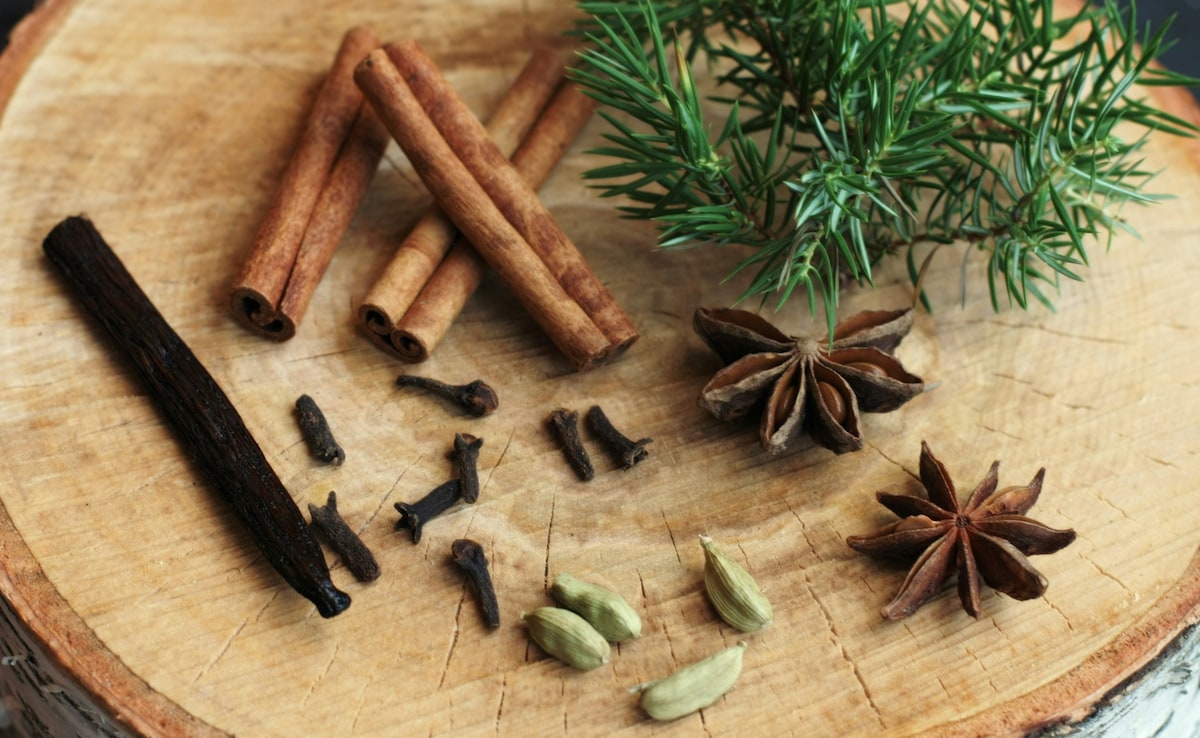
Photo: Unsplash
Kerala is known as the Spice Garden of India because its landscapes have nurtured some of the world's most valuable spices for centuries. But for travellers, the significance of this title goes far beyond agriculture. It opens a window into the region's history, its trade routes, its food culture and the communities that have shaped these traditions over generations.
Where This Spice Story Comes Alive
Travellers can experience Kerala's spice heritage in ways that feel immersive, not instructional:
- Thekkady And Kumily: Plantation paths lined with pepper vines, cardamom pods drying in courtyards, and guided trails that reveal how spices are grown and processed.
- Wayanad: Small family‑run farms, earthy aromas, and hands‑on experiences that show how everyday spices are cultivated.
- Kochi's Old Spice Markets: Narrow lanes filled with sacks of spices, remnants of trade warehouses, and a sense of Kerala's long‑standing global connections.
- Munnar's Slopes: Known for tea, but equally compelling for the spice trails woven into its misty hills.
Each place adds its own flavour, quite literally, to the journey.
Why This Side of Kerala Feels So Offbeat
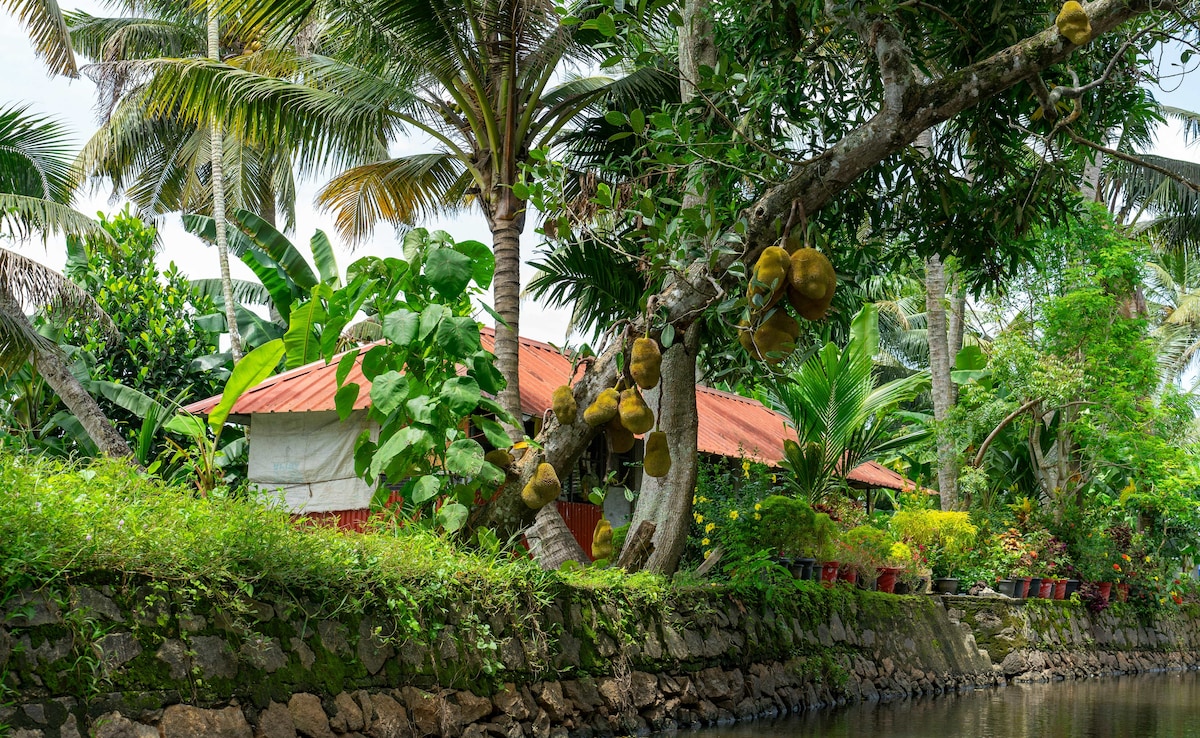
Photo: Pexels
Exploring Kerala through its spices offers a refreshing break from the usual tourist circuit. Instead of sightseeing from a distance, travellers step into working farms, local kitchens, drying yards and bustling markets. You see how a region's identity is shaped not by monuments but by everyday practices - from the way spices are sorted to how communities have built livelihoods around them. This offbeat route gives travellers a closer look at Kerala's cultural rhythm beyond the postcard scenes.
A Peek Into Kerala's Spice Culture
Kerala's spice heritage influences far more than its trade history. Travellers encounter it in:
The aromas that drift from homestay kitchens
The flavours layered into curries and stews
The conversations with growers who've inherited these traditions
The tools and techniques used in sorting, drying and storing spices
It's a slower, more sensory way of understanding a place - one that leaves a lasting impression.
Also Read: Which Country Is Known As The 'Sugar Bowl Of The World'?
How Travellers Can Explore Kerala Through Its Spices

Photo: Unsplash
- Take a half‑day spice plantation walk
- Join a cooking session in a local home
- Visit historic market lanes in Fort Kochi
- Buy freshly harvested spices directly from growers
- Combine plantations with treks, village visits or food tours
These experiences turn Kerala's famous title into something travellers can genuinely feel and taste.
Kerala's spice trails offer a thoughtful, atmospheric way to understand the state - one that stays with travellers long after they have left.
Track Latest News Live on NDTV.com and get news updates from India and around the world


