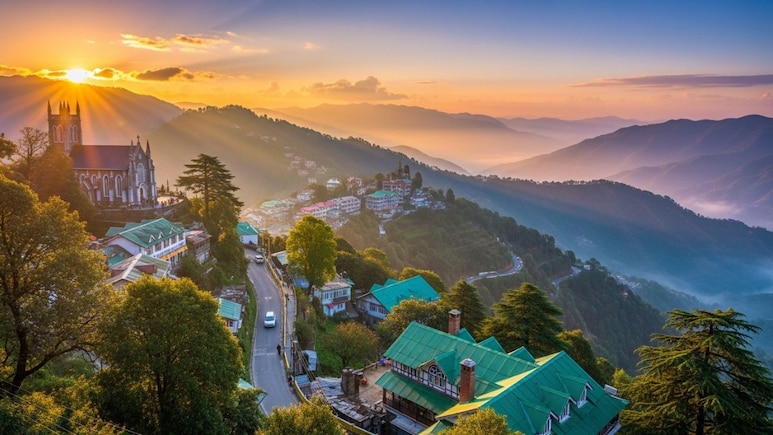
Long before hill stations became weekend escapes and Instagram backdrops, there was one mountain town that quietly earned its crown. Perched above the Doon Valley, wrapped in mist for much of the year, and lined with old colonial-era buildings, Mussoorie has long been called the Queen of Hills. The nickname did not come from tourism campaigns or modern branding, but from the way the town naturally balanced scenery, climate, and charm. Even today, Mussoorie feels different from many hill stations that have grown louder and faster. Its appeal lies in its gentle pace, layered history, and views that stretch far beyond the mountains. If you have ever wondered which city holds this title and why, the answer leads straight to Uttarakhand.
Also Read: Gangtok Trip On A Budget: How To Explore Sikkim's Capital Under Rs 25,000
Why Mussoorie Is Called The Queen Of Hills
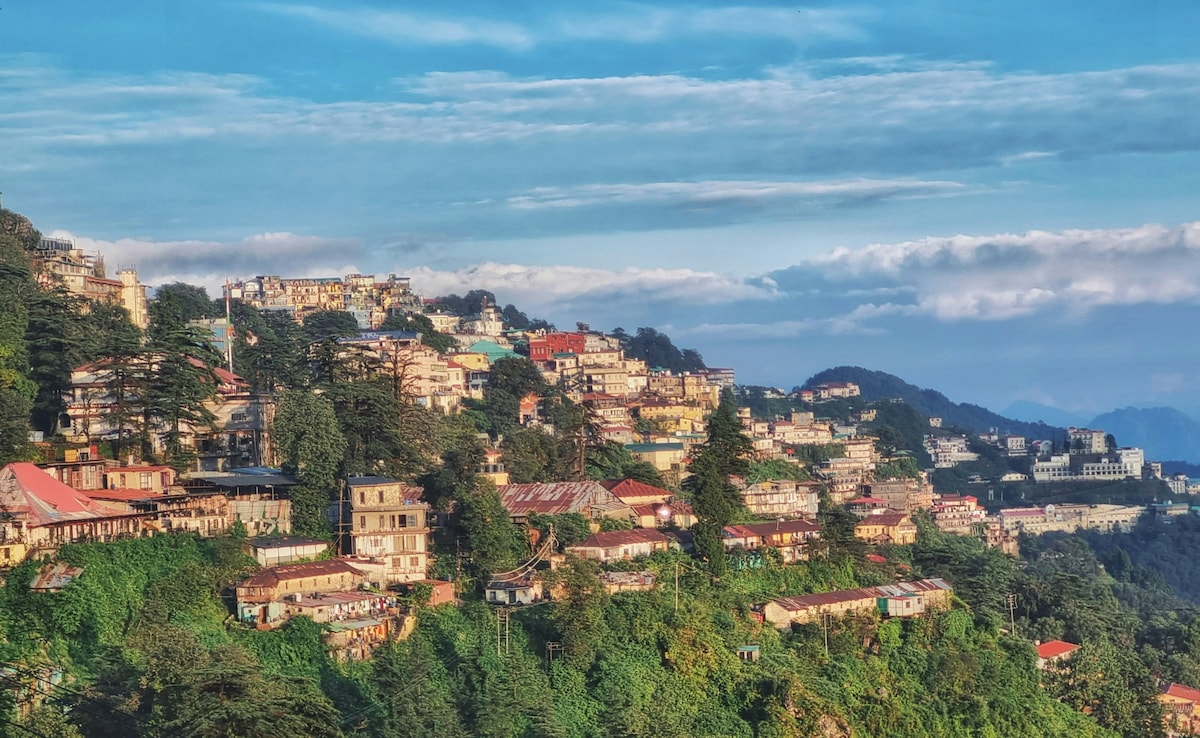
Photo: Unsplash
Mussoorie earned the title during the British era, when it emerged as one of the most elegant hill retreats in North India. Sitting at around 6,500 feet above sea level, the town offered cool summers, sweeping Himalayan views, and a comfortable escape from the plains.
Unlike remote hill settlements, Mussoorie was accessible yet refined, with promenades, churches, and heritage hotels that gave it a distinctive character. Over time, its balance of natural beauty and old-world charm set it apart from other hill stations, making the title Queen of Hills feel both earned and enduring.
What Makes Mussoorie Different From Other Hill Stations
What truly sets Mussoorie apart is its ability to feel lively without being overwhelming. Mall Road remains social and bustling, while quiet walks along Camel's Back Road offer calm within minutes. The town blends viewpoints, forests, waterfalls, and colonial architecture in a compact area, making exploration easy without constant travel. Mussoorie also serves as a gateway to nearby hill villages and trails, adding depth to the experience. It is not just about views here, but about how seamlessly nature and town life coexist.
Best Time To Visit Mussoorie
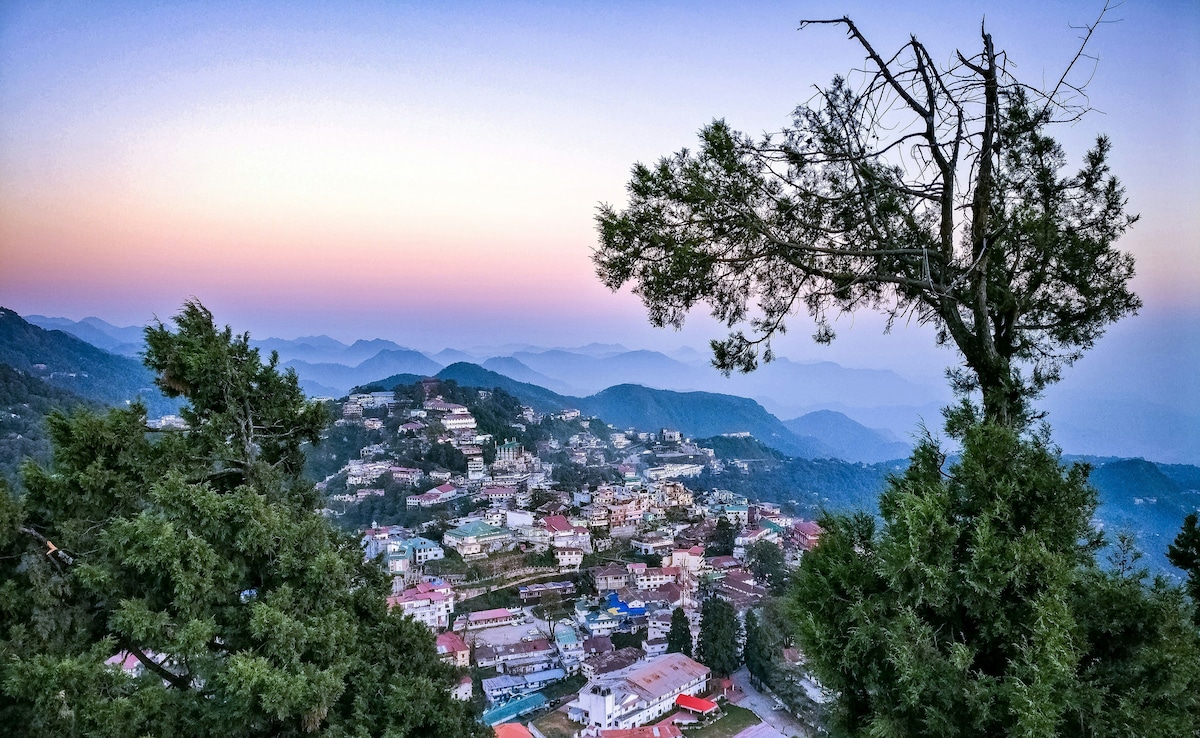
Photo: Unsplash
Mussoorie is a year-round destination, but the experience changes with the seasons.
- March to June is ideal for pleasant weather and sightseeing, with clear views and comfortable temperatures.
- July to September brings monsoon mist and greenery, though landslides can affect travel.
October to February is perfect for travellers who enjoy cold weather, quiet streets, and occasional winter frost, with chances of snowfall in peak winter.
Top Experiences That Define Mussoorie
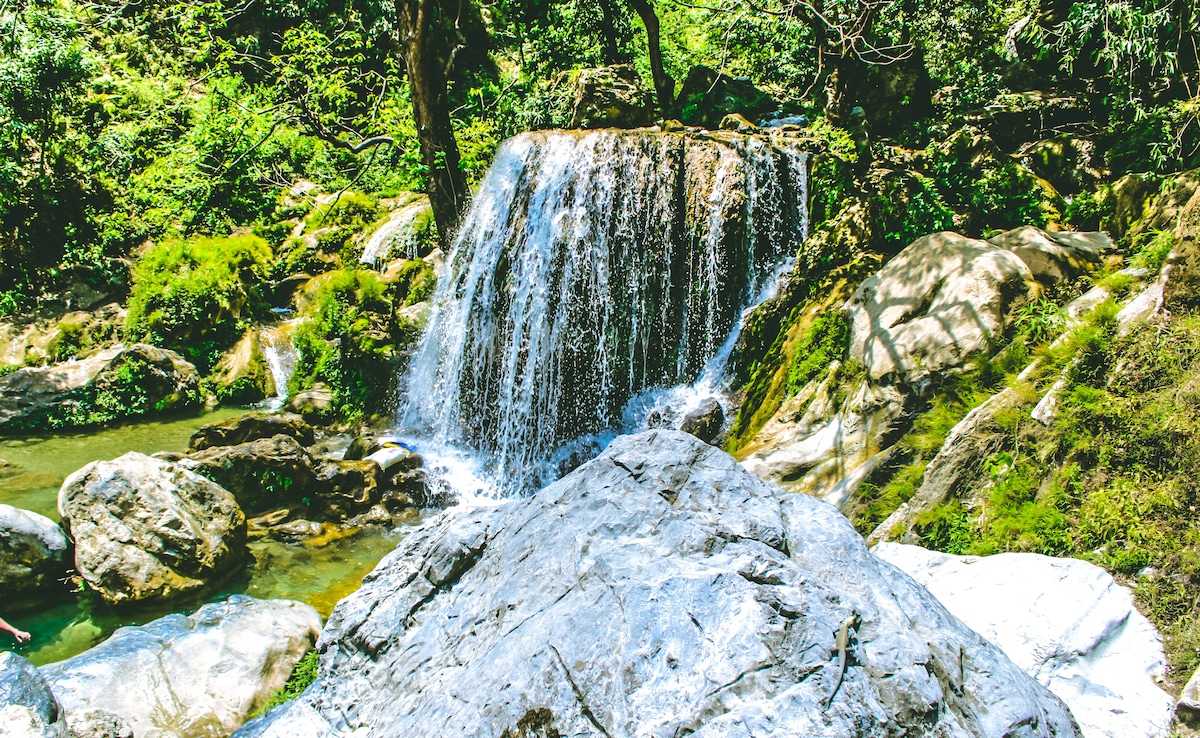
Photo: Unsplash
- Walking along Mall Road and Landour Bazaar for old cafés and bookstores
- Watching sunset views from Gun Hill or Lal Tibba
- Exploring Kempty Falls and nearby forest trails
- Taking slow heritage walks through Landour's colonial lanes
- Enjoying panoramic views of the Doon Valley and distant Himalayan peaks
These experiences together create the classic Mussoorie rhythm that visitors remember long after leaving.
Also Read: 6 Of India's Coldest Winter Getaways Right Now: Where Temperatures Dip Below Zero
How To Reach Mussoorie From Major Cities
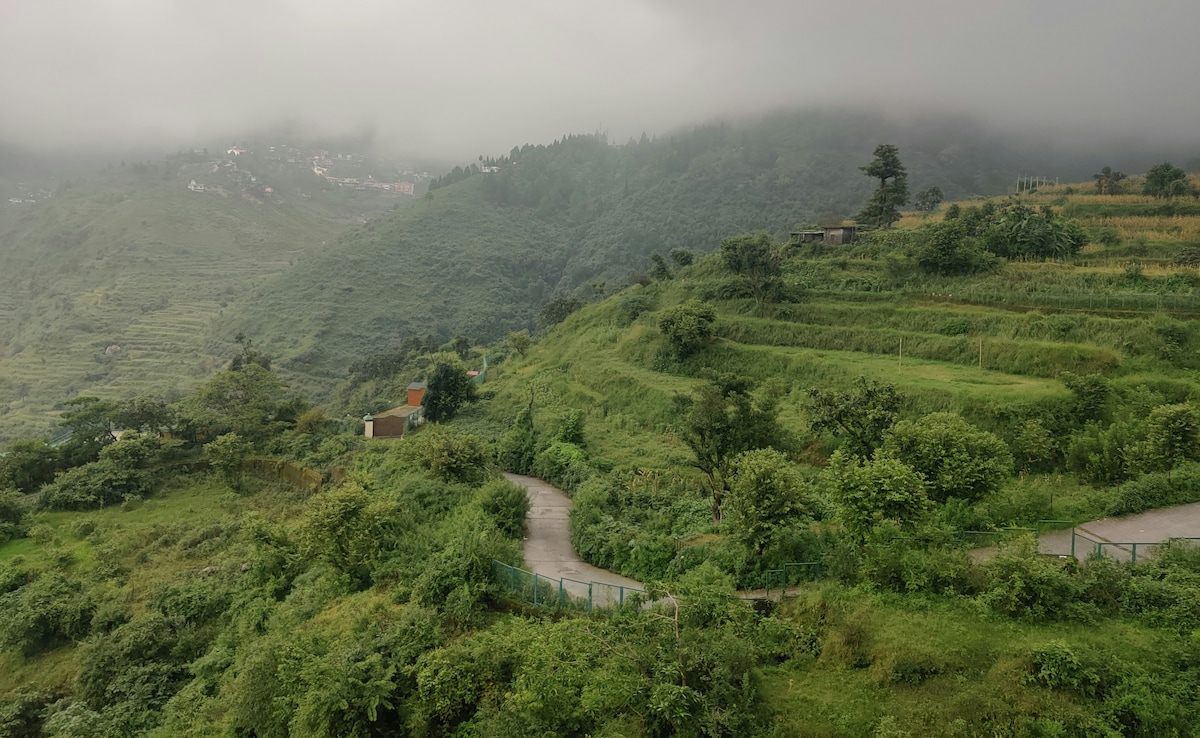
Photo: Unsplash
From Delhi
- By road (car or bus): The quickest and most flexible route - approximately 290 km via NH44/NH334 - takes about 6–8 hours, depending on traffic. The journey includes scenic plain-to-hill stretches and several good highway stops.
- By train + road: Catch one of the many trains (Shatabdi, Mussoorie Express) from Delhi to Dehradun (5–6 hours). From there, a taxi or bus will take about 1–1.5 hours to reach Mussoorie.
- By air + road: Fly into Jolly Grant Airport (Dehradun) via Delhi - flights take about an hour. Then hire a taxi for the 34 km hill drive, which usually takes about 1.5–2 hours.
From Mumbai
- By air + road (fastest): Fly from Mumbai to Dehradun (typically via Delhi, 4–5 hours total including connections) and then take a taxi to Mussoorie (1.5–2 hours).
- By train + road (economical): Choose a long-distance train ride from Mumbai to Dehradun (24–30 hours), followed by a 1–2-hour road transfer to Mussoorie.
By road (adventurous): A roughly 1,600 km drive (21–28 hours), best suited for multi-day road trips.
From Bengaluru
- By air + road (recommended): Fly to Dehradun via Delhi or Lucknow (total air time 4.5–7 hours), then complete the hill drive by taxi (1.5–2 hours).
- By train + road (budget): Take a long train journey from Bengaluru to Dehradun (40–47 hours), then transfer by road.
- By road (rare): A 2,300–2,500 km overland journey, typically spanning 40–48 hours and divided over several days.
Why Mussoorie Still Deserves Its Crown Today
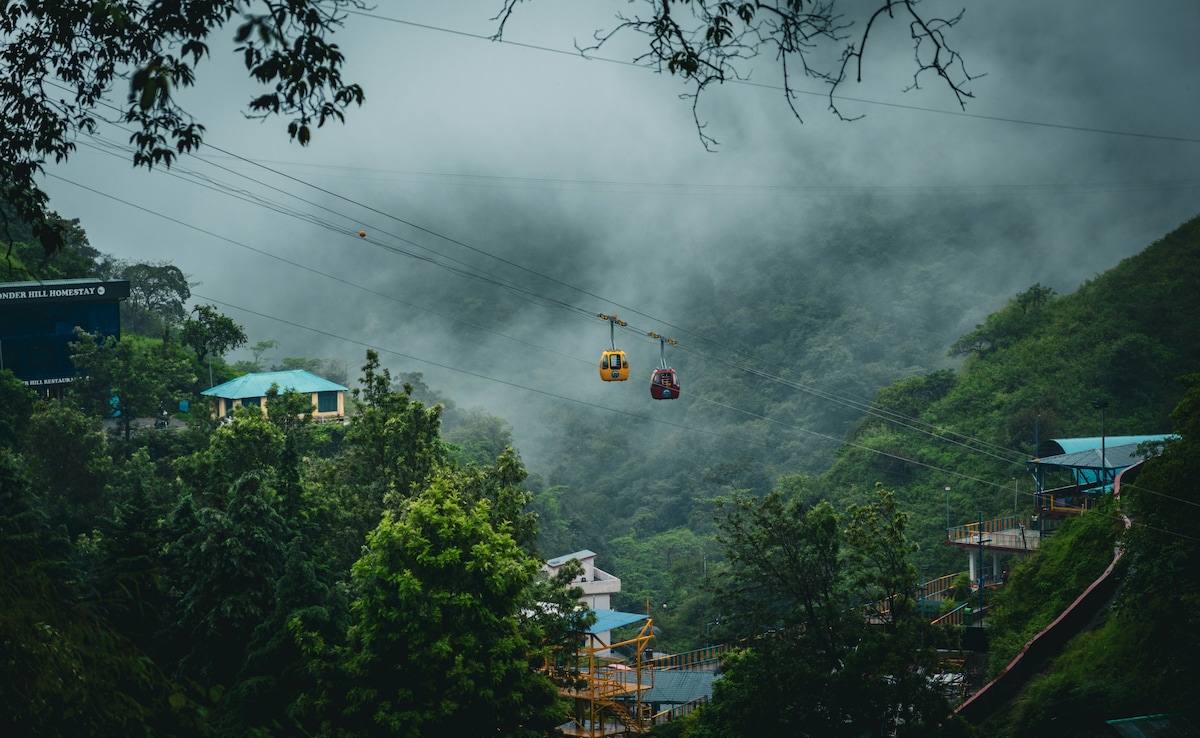
Photo: Unsplash
Despite modern tourism pressures, Mussoorie continues to hold onto the qualities that earned it the Queen of Hills title. Its landscapes remain timeless, its pace more forgiving than many hill towns, and its atmosphere nostalgic without feeling outdated.
For travellers seeking a hill station that offers beauty, history, and comfort without extremes, Mussoorie still wears its crown with quiet confidence.
Track Latest News Live on NDTV.com and get news updates from India and around the world


