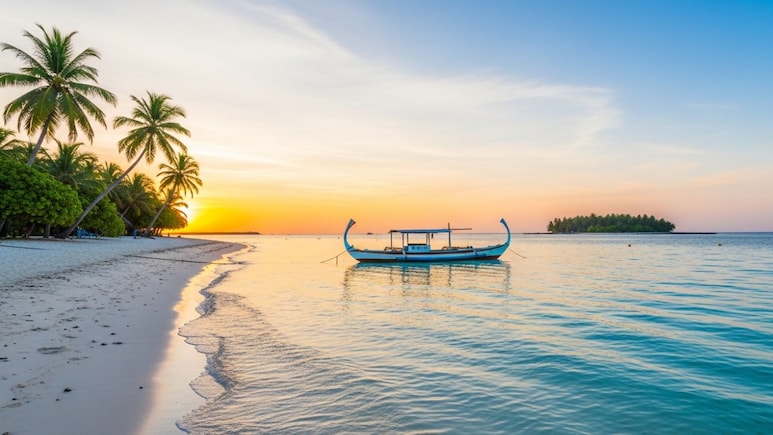
Lakshadweep is the island group widely recognised as the Coconut island in India. Situated in the Arabian Sea, this Union Territory comprises small coral islands surrounded by turquoise waters and pristine white beaches. Coconut palms dominate the landscape and are deeply woven into the daily life of the local population. The tropical climate, coastal soil, and constant sea breeze create ideal conditions for coconut cultivation. From food and oil to shelter and handicrafts, coconuts are integral to almost every aspect of life in Lakshadweep. The endless coconut groves not only sustain the economy but also enhance the natural beauty of the islands, making Lakshadweep a quintessential tropical paradise.
Also Read: Phuket On A Budget? It's Possible! Here's How To Plan A Trip Under Rs 60,000
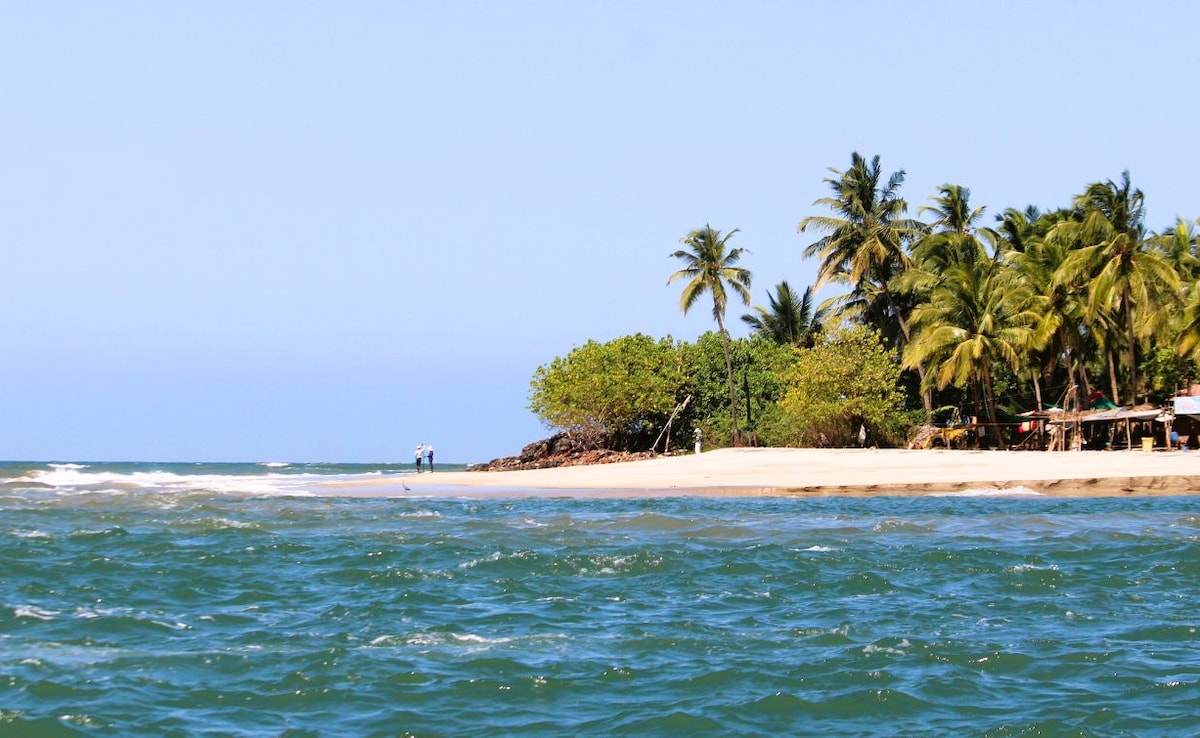
Geographical Features and Climate
Lakshadweep is India's smallest Union Territory, consisting of 36 islands, including atolls, reefs, and submerged banks. Most islands are low-lying coral formations, making them ecologically fragile. The region experiences a warm tropical climate throughout the year, with moderate rainfall and high humidity. These conditions are highly favourable for coconut palms, enabling them to grow tall and healthy. Coconut trees line the coast, villages, and inland areas, forming a lush green cover that helps protect the islands from coastal erosion.

Role of Coconut in Local Culture
In Lakshadweep, coconut is more than a crop, it is a cultural symbol. Traditional dishes rely heavily on coconut, particularly coconut oil and coconut milk. Locals use coconut leaves for roofing houses, weaving mats, and crafting everyday items. Coconut shells are repurposed into utensils and decorative objects. Festivals and social gatherings often feature dishes prepared with coconut, reflecting its deep-rooted presence in local traditions and customs.
Tourism and Coconut Landscapes - What to Do In Lakshadweep
Tourism in Lakshadweep is closely tied to its coconut-rich environment. Visitors are drawn to serene beaches shaded by coconut palms, crystal-clear lagoons, and tranquil surroundings. Islands like Agatti, Bangaram, and Kavaratti are popular tourist destinations where coconut groves enhance the scenic charm. Many resorts and homestays are nestled amidst coconut plantations, offering tourists an authentic island experience and a chance to reconnect with nature.
Also Read: 6 Countries Around The World That Are Popular For Their Wildlife
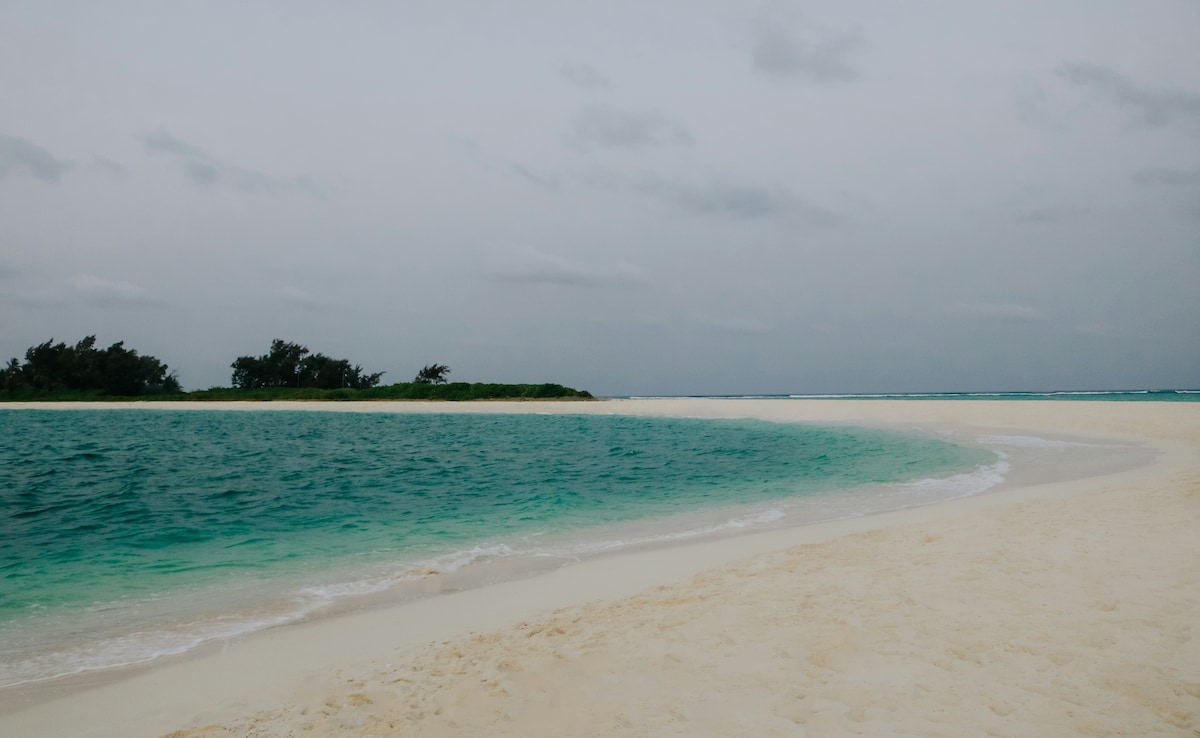
Best Time to Visit Lakshadweep
October to March: Ideal weather with calm seas and pleasant temperatures
April to May: Suitable for water sports such as snorkelling and diving
June to September: Monsoon season; travel is limited due to rough seas
How to Reach Lakhadweep
- Lakshadweep is a group of islands in the Arabian Sea.
- It can be reached only by air or sea from Kochi (Kerala).
By Air
- Flights are available from Kochi to Agatti Airport.
- It is the fastest way to reach Lakshadweep.
- The journey takes about 2 hours.
By Sea
- Passenger ships operate from Kochi to Lakshadweep.
- The sea journey takes 14-20 hours.
- It is slower but gives a sea travel experience.
Entry Permit
- A special permit is required to visit Lakshadweep.
- The permit is arranged with travel bookings.
Additional Insight: Coconut-Based Cuisine for Tourists
Tourists visiting Lakshadweep often relish dishes infused with coconut flavours. Popular items include coconut fish curry, coconut rice, and sweet delicacies made with coconut milk. Many resorts offer traditional meals prepared using fresh coconuts, giving visitors a taste of authentic island life.
Frequently Asked Questions (FAQs)
Q1. Why is Lakshadweep called the Land of Coconut in India?
Lakshadweep has an abundance of coconut trees, and coconuts are central to its economy, culture, and daily life.
Q2. Is coconut farming common on all islands of Lakshadweep?
Yes, coconut cultivation is practised on almost all inhabited islands.
Q3. Are coconut-based foods popular among tourists?
Yes, tourists often enjoy local dishes prepared using fresh coconut and coconut oil.
Q4. Can tourists buy coconut products from Lakshadweep?
Yes, visitors can purchase coconut oil, handicrafts, and traditional items made from coconut.
Track Latest News Live on NDTV.com and get news updates from India and around the world


