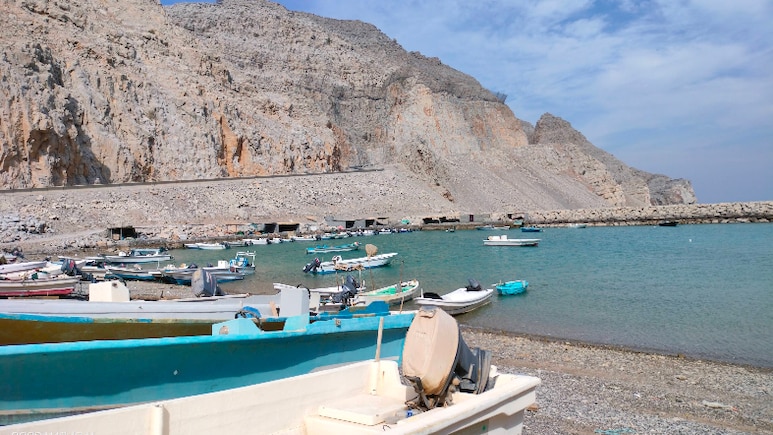
As tensions in the Middle East continue to unsettle travel and trade routes, one location repeatedly in the headlines is the Strait of Hormuz - a narrow waterway whose name many know, but few have actually seen. The strait is deep and mostly free of maritime hazards, with its deepest point near Oman's Musandam Peninsula before gradually shallowing toward the Iranian coastline.
The Strait of Hormuz is one of the world's most critical maritime corridors, funnelling around 20 per cent of global oil shipments from the Persian Gulf to open waters.
It contains eight major islands, seven of which are controlled by Iran. Though Iran recently said it does not intend to close the Strait of Hormuz, it has all but halted movement in the waterway with the stringent restrictions on the ships it is allowing to pass.
Strait Of Hormuz: Pristine Waters, Dolphins And Gorgeous Sunsets
Beyond its strategic role, the Strait of Hormuz is a striking blend of dramatic fjords, emerald waters and thriving marine life. For travellers who have explored this region, the contrast between its natural beauty and its strategic importance has never felt more pronounced.
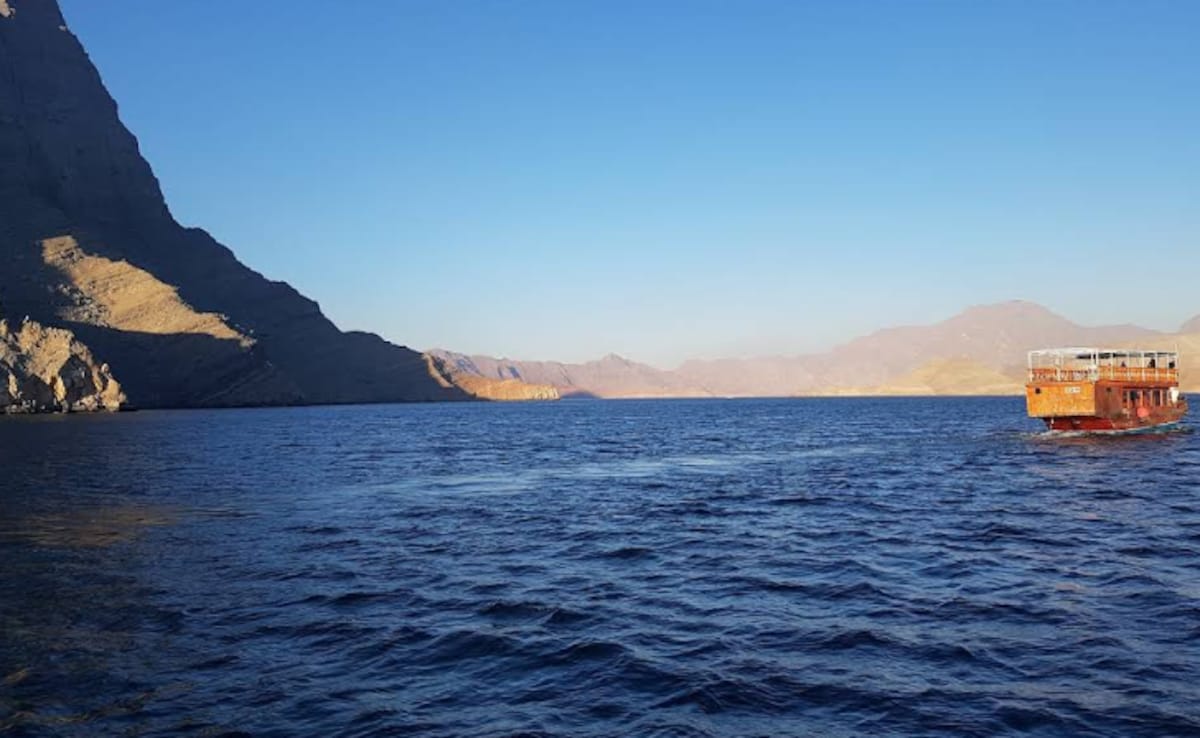
Photo Credit: Nick Ainsworth/Google Maps
Before the current travel restrictions, tourists frequently explored the region on wooden dhow cruises, gliding through narrow inlets framed by towering cliffs. Small fishing boats dotted the shoreline, while tankers and cargo vessels moved steadily along their designated lanes offshore - a visual reminder of the region's mix of local livelihood and global industry.
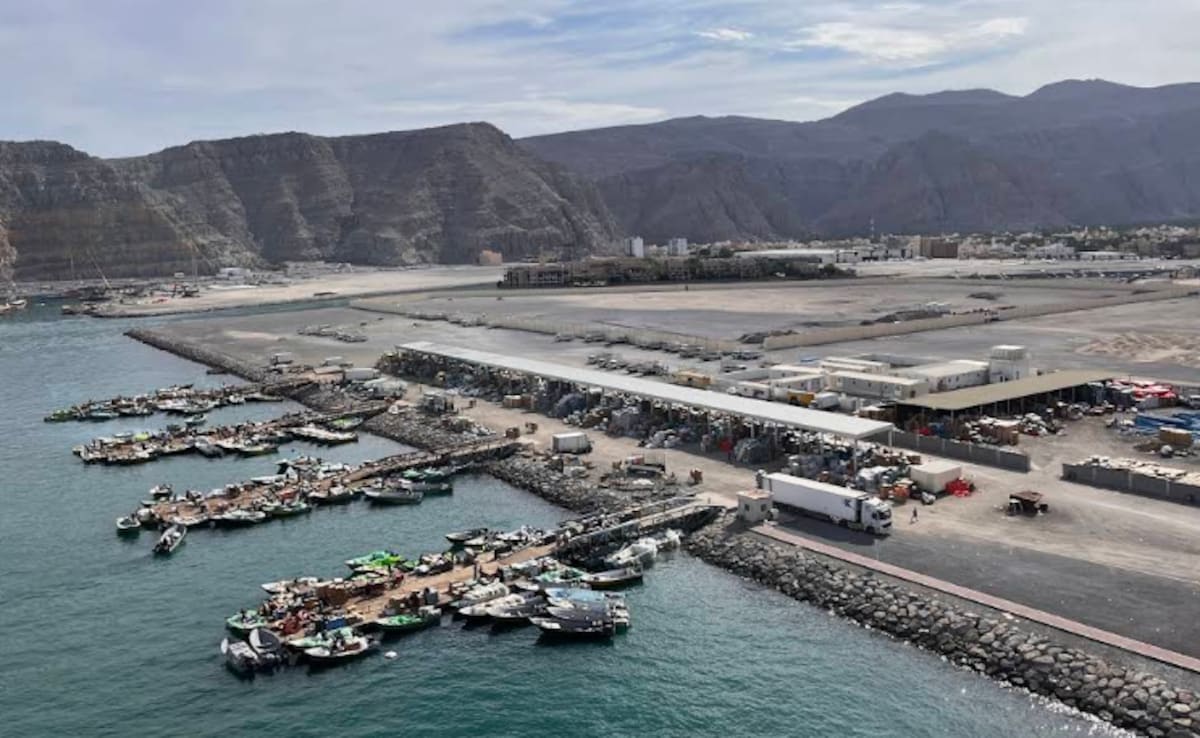
Photo Credit: Kurt Ehrengruber/Google Maps
Dolphins often swam alongside dhows, and snorkellers could hop off at rocky coves to explore coral-filled waters. The coastline was a favourite for adventure travellers drawn to remote cliffs, hidden inlets and panoramic views of Iran's dramatic shore.
Watch the video below:
A View Around The Strait Of Hormuz
The land around the strait is lined with mountain villages and coastal communities sustained by a long-standing fishing tradition. On the Iranian side, towns and ports face directly towards the international shipping lanes. Musandam, meanwhile, is known for its steep mountains, narrow creeks and extraordinarily clear water.
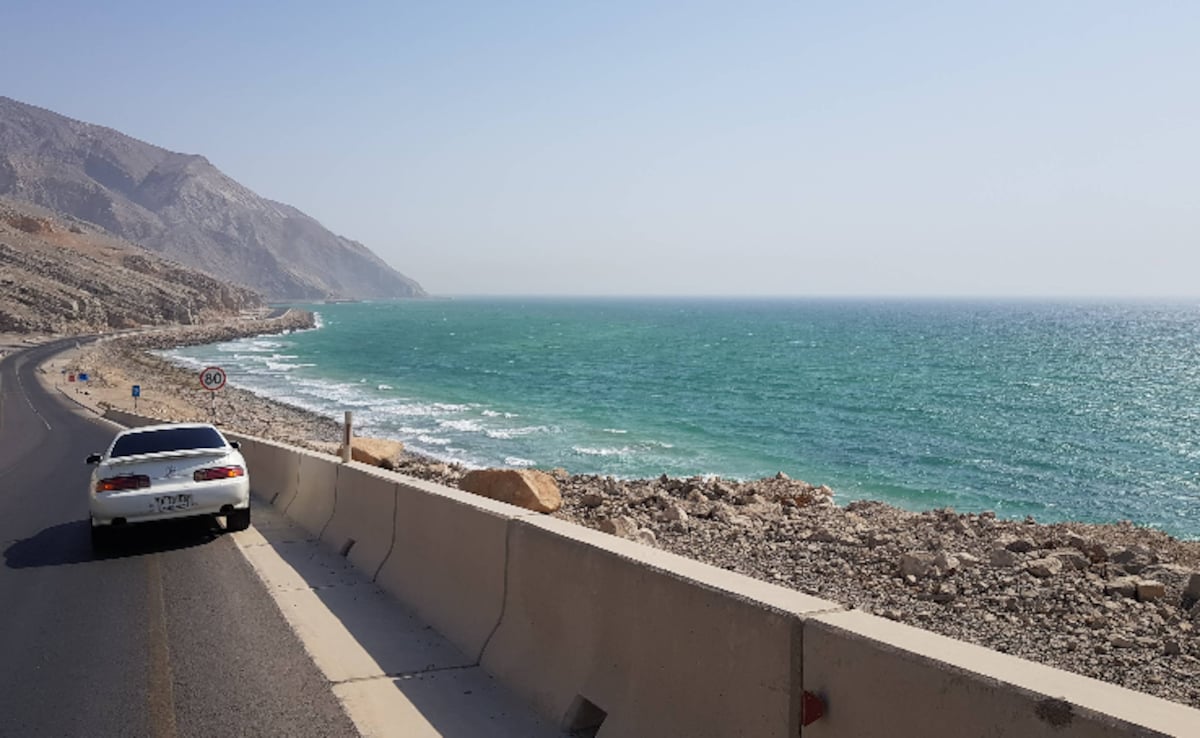
Photo Credit: Wajid Akhtar/Google Maps
Rather than offering one single viewpoint, the Strait of Hormuz is experienced as a corridor - glimpsed from ferries, coastal highways, harbours, mountainside lookouts and local fishing docks. Its beauty lies as much in these varied vantage points as in the waterway itself.
Track Latest News Live on NDTV.com and get news updates from India and around the world


