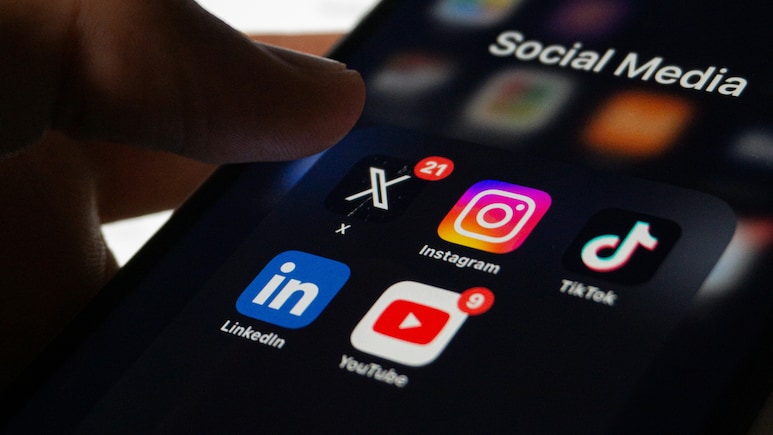
The US is expanding its online presence screening for visa applicants. From October 1, 3 more non-immigrant visa categories will come under review. The change will matter most to foreign media representatives and professionals covered by the United States-Mexico-Canada Agreement (USMCA), along with eligible dependents. Here's what the new visa rule means.
Also Read: Ladakh's Snow Leopard Tracking Named World's 4th Best Wildlife Experience
Which Visa Categories Are Being Added?
The new categories added to the list are I, TN, and TD.
An I visa is used by foreign media representatives, including people working in the press, radio, film and print industries, who are travelling temporarily to the US for work related to their media role.
TN visas are for eligible professionals who are citizens of Canada or Mexico and are looking for temporary entry to the US for qualifying work under the USMCA. TD visas are for fiance/spouses and unmarried minor children of TN visa holders.
For Indian applicants, the I visa is the more directly relevant category. Indian citizens are not eligible for a TN visa because they work in a profession that falls under this category. This status is for qualifying Canadian and Mexican citizens.
What Do Applicants Have To Do?
Photo: Unsplash
From October 1, applicants for I, TN and TD visas will be instructed to set the privacy settings on all their social media profiles to "public" or "open."
As per a release published on September 18, the State Department says it uses information from available sources as part of visa screening and vetting. The department says this is intended to help identify applicants who may be inadmissible, including those it considers a threat to national security or public safety.
The announcement does not provide a separate list of specific posts that applicants must delete or avoid. It also does not say that having a particular type of post will automatically lead to a visa refusal.
Was Social Media Screening Already In Place?
The October 1 change is an expansion of an existing system that already had social media screening in place. The State Department already includes several categories in its online presence review, including H-1B workers, F-1 and M-1 students, J-1 exchange visitors and certain dependents. So, this is not a new requirement for every US visa applicant. It adds three more categories to the list.
Also Read: Air India Named India's 'Best Airline' At Skytrax Awards 2026
What Does This Mean For Indian Applicants?
For an Indian journalist or other eligible media professional applying for an I visa, the practical point is simple: from October 1, social media accounts will have to be set to public or open as part of the screening process.
The State Department has not said that the new rule changes the basic eligibility requirements for these visas. Applicants will still need to meet the requirements of the visa category they are applying for.
Track Latest News Live on NDTV.com and get news updates from India and around the world


