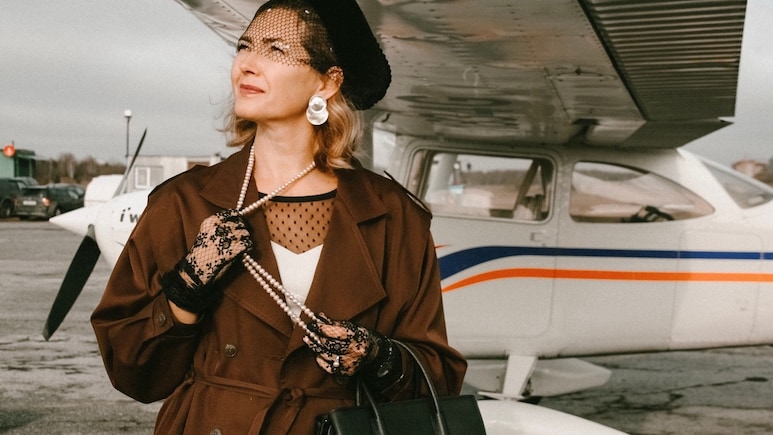
When I was growing up in the 1990s and early 2000s, luxury had a fairly straightforward definition. You upgraded. A bigger television replaced a smaller one. A new car appeared in the driveway. A Swiss watch became the prized possession that emerged only at weddings and family gatherings. Success was tangible. You could point at it.
Today, some of the most desirable things money can buy are surprisingly difficult to photograph, impossible to shelf-display and, in many cases, cannot even be owned. They can only be experienced.
That shift sits at the heart of Visa's latest India Affluent Economy report, which suggests that spending is increasingly moving towards travel, dining, wellness and curated experiences rather than traditional forms of luxury consumption. In fact, as spending power rises, travel takes up a larger share of discretionary spending while retail becomes relatively less dominant.
In simple terms, people are buying fewer things and more stories.

Photo Credit: Pexels
Luxury Has Quietly Left The Shopping Bag
Think about the conversations people are having today.
Ten years ago, someone might have excitedly shown off a new watch or a designer purchase. Today, the conversation is just as likely to begin with:
"Have you been to that chef's table experience?"
"How did you get access to that safari lodge?"
"Who planned that incredible trip?"
The flex has changed. The value increasingly lies not in owning something rare, but in gaining access to something that feels difficult to replicate.

Photo Credit: Pexels
Visa's research found that dining is becoming a major social currency, with many consumers gravitating towards tasting menus, chef-led experiences and immersive dining formats rather than conventional restaurant outings. Three in five respondents said they preferred tasting menus, while a similar proportion expressed interest in multisensory dining journeys.
The meal matters, of course. But increasingly, the story behind the meal matters just as much.
Also Read: 36 Hours In Geneva, The World's Diplomatic Capital
5 Things That Seem To Define Modern Luxury
1. Access Is Replacing Ownership
The most desirable experiences today are often not products at all. They are invitations, introductions, backstage passes, private viewings and insider experiences. A reservation may get you a seat, but access is what takes you behind the scenes.
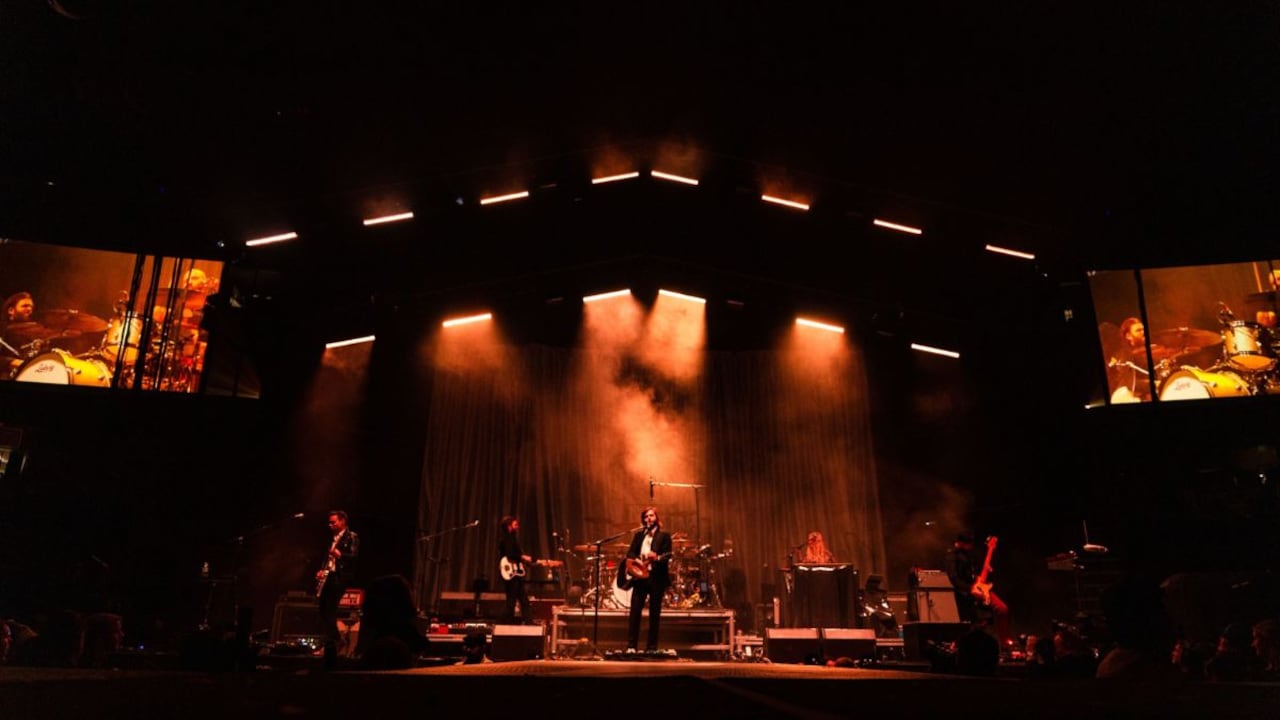
Photo Credit: Pexels
2. Travel Is Becoming The Main Character
One of the most striking observations from Visa's report is how travel expands as consumers move up the spending ladder. Travel is no longer a break from life; for many people, it has become a reflection of identity. The focus is increasingly on curated itineraries, cultural immersion, wellness retreats and experiences that feel personal rather than standardised.

Photo Credit: Pexels
3. Convenience Is No Longer Enough
Fast-track check-ins and lounge access still matter, but they are now expected rather than extraordinary.
The new aspiration is insider access: a local guide who knows hidden corners of a city, a chef who shares the thinking behind a menu, or a curator who unlocks experiences unavailable to the general public.
Also Read: This Country Is Home To A Brewery That Has Been Operating Since 1040

Photo Credit: Pexels
4. Experiences Are Becoming More Personal
Luxury is shifting from exclusivity to relevance.
People increasingly want experiences that feel tailored to their interests, whether that means a wildlife expedition, a culinary journey or a wellness retreat designed around a specific goal. Personalisation has become part of the luxury proposition itself.
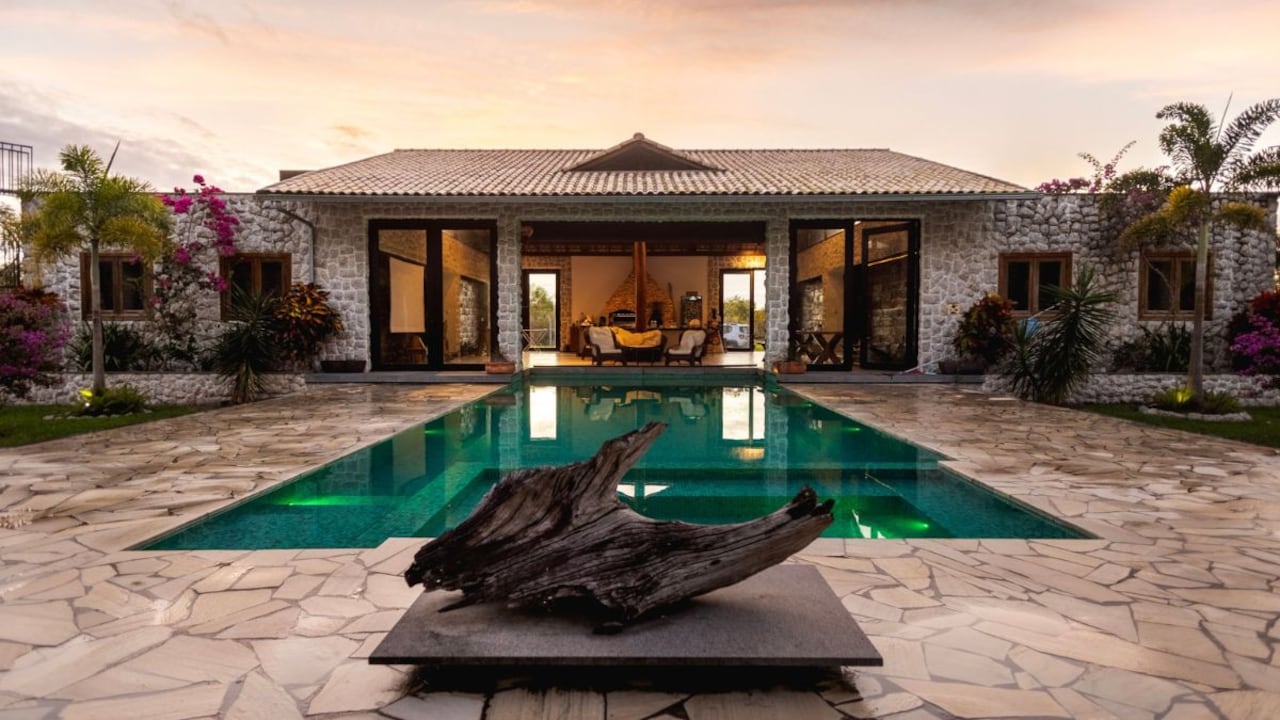
Photo Credit: Pexels
5. Even Credit Cards Are Becoming Lifestyle Brands
This may be the most telling sign of all.
For years, premium cards competed on cashback, rewards points and air miles. Increasingly, they are competing on access.
Visa Infinite Tastes: Beyond The Menu is a good example. The dining experience is almost incidental. The real product is the access surrounding it: conversations with chefs, curated menus, intimate settings and the feeling of participating in something not everyone can simply book online.
Perhaps that is why the future of luxury feels different from the one many of us grew up with.
The most coveted things are no longer sitting in display cabinets.
They are happening around a dinner table, on a remote island, inside a private gallery, or at an experience that leaves behind no possession except a story worth retelling. And in 2026, that may be the ultimate luxury of all.
Track Latest News Live on NDTV.com and get news updates from India and around the world


