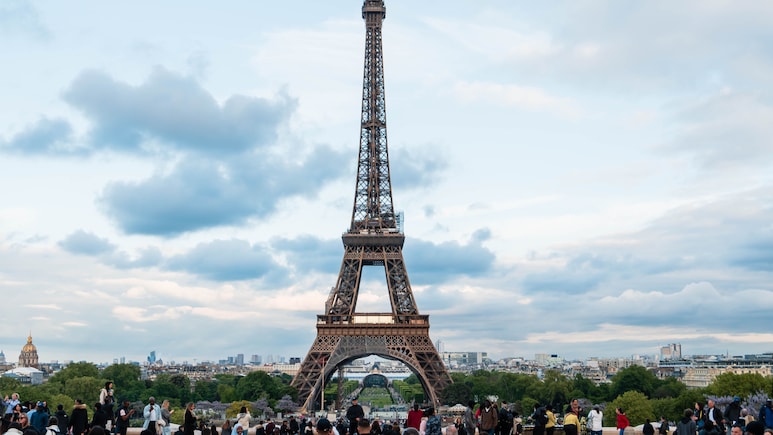
The Eiffel Tower is at the centre of a controversy after staff went on strike over allegations that female employees were "removed" from the premises during a visit by a delegation of about 100 people linked to BAPS (Bochasanwasi Akshar Purushottam Swaminarayan Sanstha), a religious group whose representatives were in France for festivities related to the inauguration of a temple in the Paris suburbs.
The BAPS spiritual movement apologised for "any pain or inconvenience caused" by their visit. "To our knowledge, at no time was access to the Eiffel Tower denied to anyone. Nevertheless, we wish to offer our sincere apologies to anyone who may have been hurt or inconvenienced by this situation," a part of their statement on X said. The tower was closed throughout Monday but is expected to reopen as usual on Tuesday, according to a staff representative cited by France 24.
However, this is not the first time staff protests have led to a temporary shutdown of one of the world's most famous tourist attractions.
Eiffel Tower Started On A Controversial Note
Today, the Eiffel Tower is one of the most photographed landmarks in the world and a symbol synonymous with Paris. Yet, long before travellers queued up for its sweeping city views and romantic appeal, the monument faced fierce opposition from some of France's most influential cultural figures.
Here's a look at how one of the world's most beloved attractions was once labelled "monstrous" and "useless".
Why Was The Eiffel Tower Built?
The Eiffel Tower was constructed for the 1889 Exposition Universelle, or World's Fair, which marked the 100th anniversary of the French Revolution. Designed under the oversight of French civil engineer Gustave Eiffel, the tower was envisioned as the centrepiece of an event showcasing France's industrial progress, innovation and global influence during the Belle Époque.
The design emerged as the winning proposal in a competition held for the fair. However, the ambitious iron structure was far from universally welcomed.
Many Parisians Felt It Didn't Belong
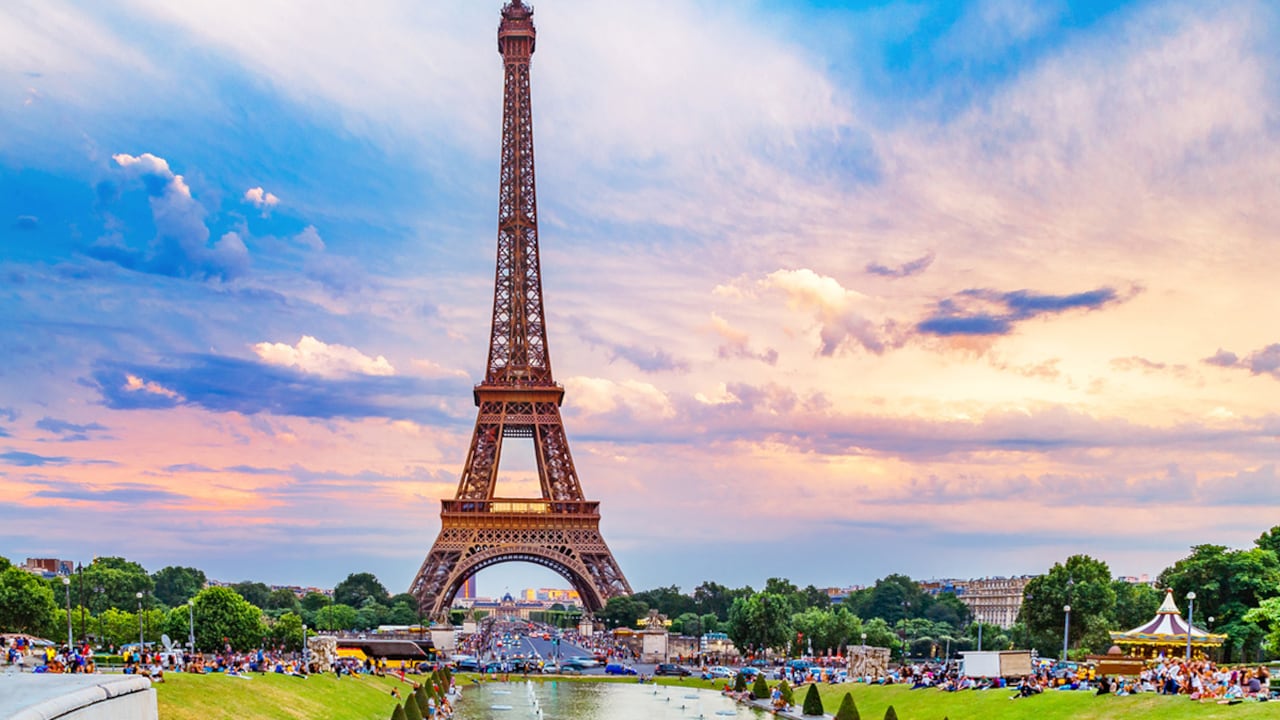
The towering iron monument stood in stark contrast to the elegant stone architecture that defined Paris at the time. Critics argued that the structure would damage the city's aesthetic character and overwhelm its historic skyline.
Although the tower now dominates the Champ de Mars and attracts millions of visitors annually, its future was uncertain when construction began.
Eiffel had received only a 20-year land-use permit, and many assumed the structure would eventually be dismantled.
Artists And Writers Launched A Public Campaign Against It
Opposition became highly visible soon after construction started on January 26, 1887.
On February 14 that year, a group of prominent artists, writers and intellectuals, including Guy de Maupassant, Sully Prudhomme, Charles Garnier and Alexandre Dumas' son, published a protest letter in the newspaper Le Temps, according to History.com.
Their letter states: "We come, as writers, painters, sculptors, architects, and passionate lovers of the beauty that Paris has until now preserved intact, to protest with all our strength, with all our indignation, in the name of disregarded French taste, in the name of threatened French art and history, against the erection, in the very heart of our capital, of the useless and monstrous Eiffel Tower, which public malice, often marked by common sense and a sense of justice, has already dubbed the Tower of Babel."
They also called the tower project a "truly tragic street lamp" and a "carcass waiting to be fleshed out."
Charles Garnier, the architect behind the Paris Opera House, famously dismissed the structure, arguing that it was not architecture but merely a skeletal framework.
Also Read: 8 Timeless Monuments In India That Continue To Fascinate Travellers
The Debate Between Art And Engineering
Beyond aesthetics, the Eiffel Tower became a focal point in a wider debate over the relationship between art and engineering.
According to architectural historians, critics objected not only to its unprecedented height but also to its industrial appearance. Unlike medieval monuments such as Notre-Dame Cathedral, the tower used comparatively little material and embraced exposed iron as its defining feature.
Art historian S. Hollis Clayson notes that many artists condemned the project before even a third of it had been completed. The broad iron base alone was enough to alarm detractors, who viewed the structure as a factory chimney rather than a work of art.
Some critics warned that it would permanently scar Paris's skyline and even discourage tourism, ironically predicting the exact opposite of what would eventually happen.
Gustave Eiffel Defended His Vision
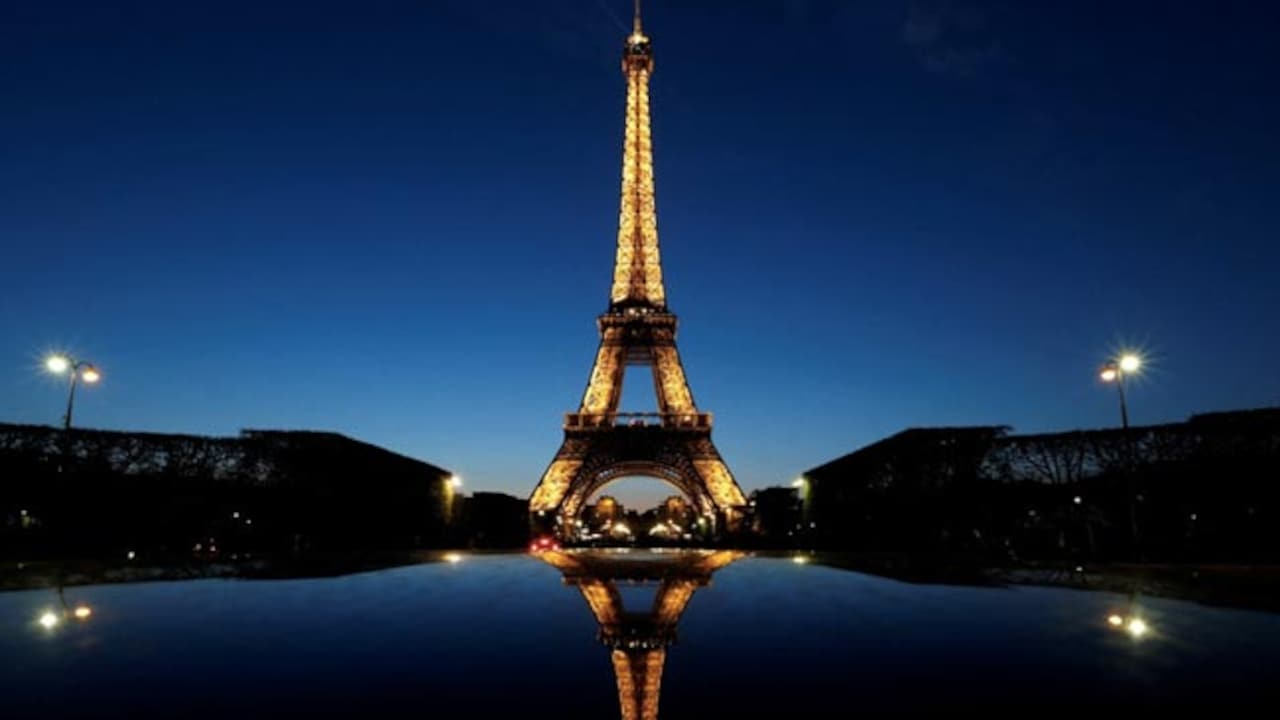
Facing mounting criticism, Gustave Eiffel publicly defended the project. Writing in Le Temps, he argued that the tower possessed a distinct beauty of its own and rejected the notion that engineering and elegance were mutually exclusive.
Eiffel maintained that engineers cared deeply about aesthetics and sought not only to create durable structures but also graceful and inspiring ones. His confidence would soon be rewarded.
How The Tower Won Over The Public
Historian Anne O'Neil-Henry, associate professor of French and Francophone Studies at Georgetown University, notes that the tower was conceived as a dramatic symbol of France's economic and geopolitical significance during the 1889 World's Fair. Around 2 million people visited the landmark during the exhibition, helping transform public opinion.
Even before its elevators became operational on May 26, 1889, visitors were willing to climb more than 1,700 steps to reach the summit. In the first week alone, over 30,000 people reportedly made the ascent to experience views from what was then the tallest structure in the world.
The attraction offered more than just panoramic vistas. Restaurants opened on the lower levels, while a printing press on the second floor produced special editions of Le Figaro that visitors could take home as souvenirs and proof of their climb.
Also Read: 7 Magnificent Monuments Built By Indian Women That Deserve Your Attention
From Controversy To Icon
As visitor numbers grew, criticism gradually faded. What many once regarded as an eyesore evolved into the defining symbol of Paris and one of the world's most recognisable landmarks.
Today, the 137-year-old structure welcomes more than 7 million visitors annually and remains a bucket-list destination for travellers from across the globe.
Its story serves as a reminder of how beauty and aesthetics are subjective, how perspectives on them are bound to change, and how a seemingly elite and beautiful monument also had to defend its elegance and stand tall in the face of criticism.
Track Latest News Live on NDTV.com and get news updates from India and around the world


