
Europe travel in 2026 is heading for a major shake-up, and travellers will feel the difference from the moment they reach the airport. New fingerprint checks, extra digital approvals, higher hotel taxes, rising museum prices and even a currency change in one country will all land within the same year. For Indian travellers who already apply for visas, the paperwork will stay familiar, but the journey will not. Longer queues, higher costs and new steps before boarding will become part of the routine across many cities. Knowing these changes in advance will help travellers plan smarter and avoid last minute surprises during their Europe holiday.
Also Read: 7 Indian Cities Where Food Is The Real Reason To Travel
What Changes For Indian Travellers In 2026
1. New Entry/Exit Checks At Schengen Airports

From April 2026, the EU will introduce the Entry and Exit System. This will remove passport stamping and replace it with a digital record of arrivals and departures. First time travellers will provide fingerprints and a facial image, which will make the initial entry slower. Busy hubs such as Paris, Amsterdam and Frankfurt may see long queues during the peak summer period. Once a digital profile is created, later entries will be faster. Travellers should allow extra time while both old and new systems operate together during the transitional phase.
2. New Online Approval For Visa Free Traveller
Late 2026 will bring a new online approval, known as ETIAS, for travellers who usually enter the Schengen area without a visa. It requires a short form and a small fee before departure. It does not replace the Schengen visa for Indian travellers. Those who travel in mixed nationality groups must check requirements early so that one person's missing approval does not affect the whole itinerary.
3. United Kingdom Will Introduce A Similar Approval
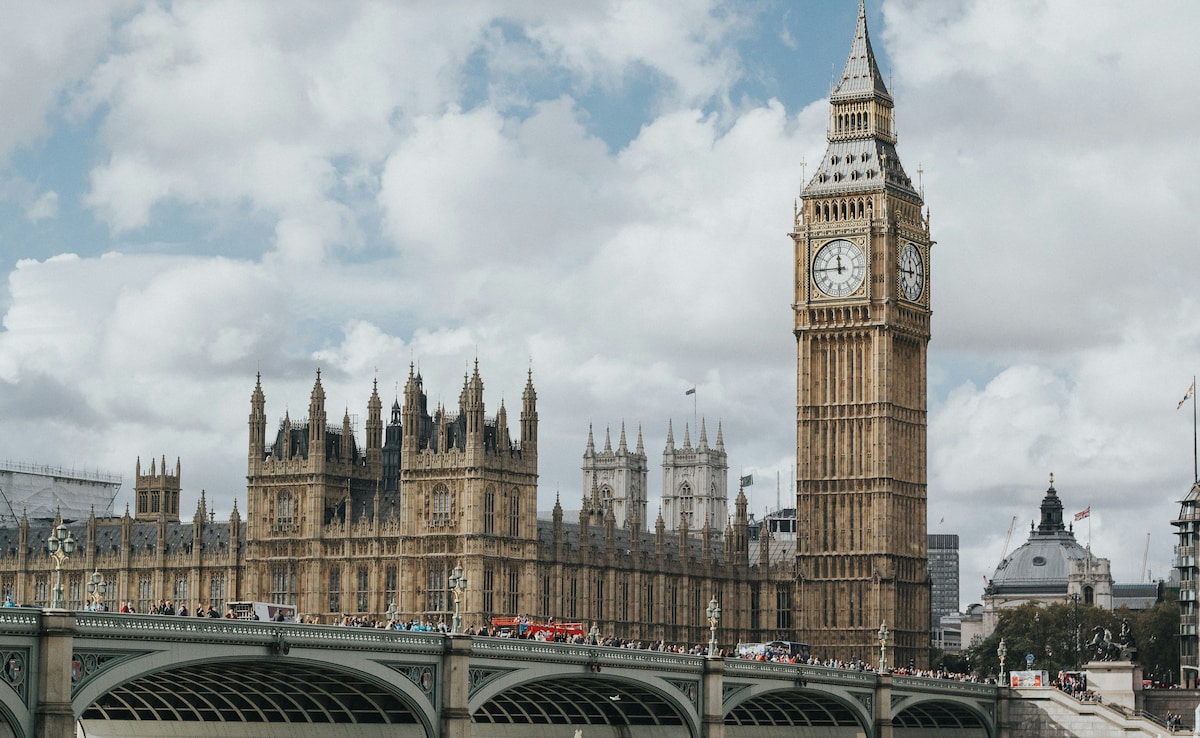
Photo: Unsplash
From February 2026, the United Kingdom will require an online approval called an Electronic Travel Authorisation for travellers who normally enter without a visa. Indian passport holders who already apply for a UK visa will continue with the same procedure. Those who qualify for visa free entry under certain categories must complete this approval before boarding. Passengers who route through London for European connections should keep this additional step in mind.
4. Higher Tourism Taxes In Major European Cities
Visitor taxes are increasing in several destinations. Amsterdam, Barcelona and Rome have already revised their levies, and Edinburgh will introduce its first tourism tax in 2026. These charges appear on hotel bills and can raise the overall cost of multi city itineraries. Travellers can consider well connected suburbs or commuter towns to reduce accommodation expenses without compromising convenience.
5. Bulgaria Will Adopt The Euro In 2026
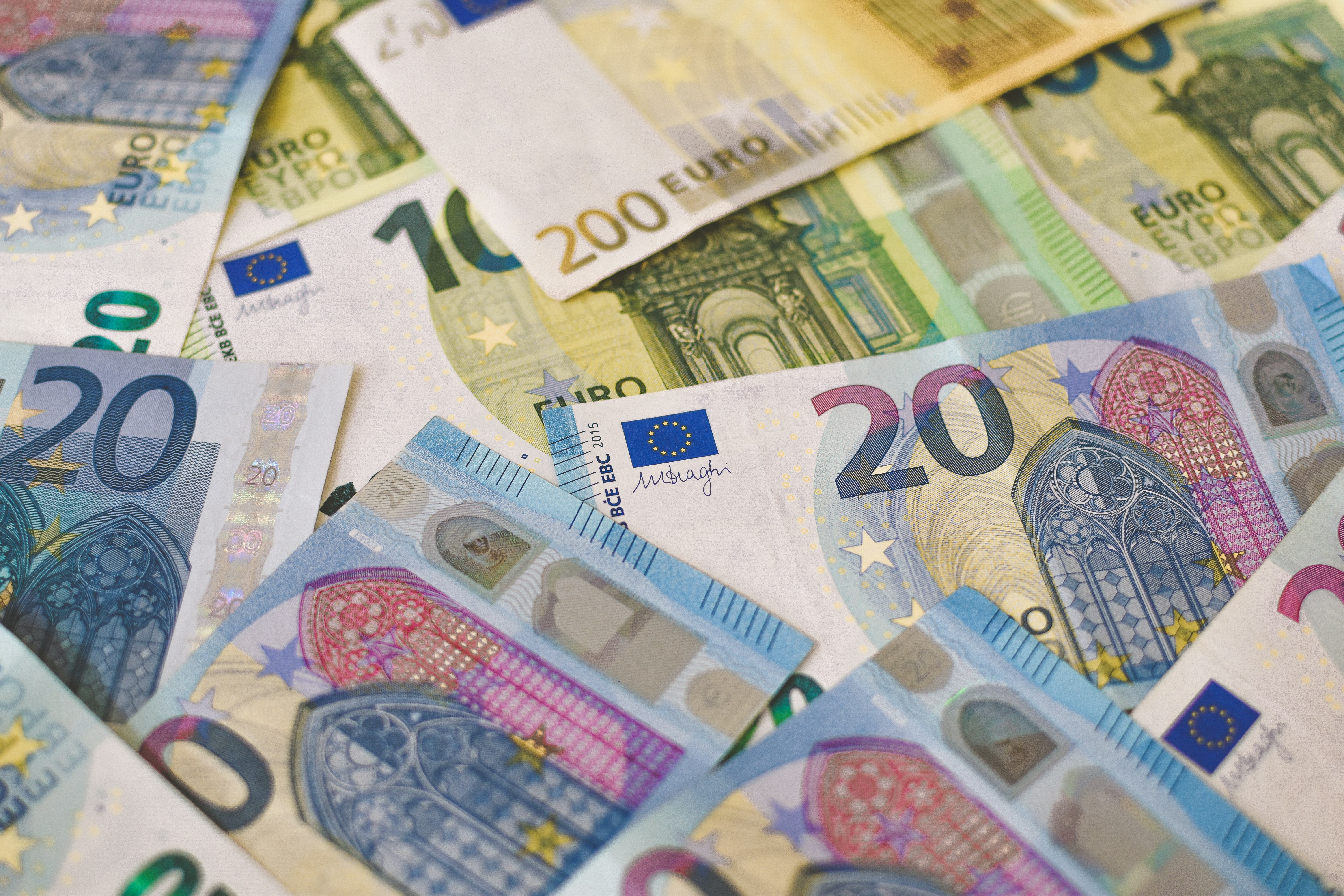
On 1 January 2026, Bulgaria will replace the lev with the euro. This is a practical change for travellers visiting several countries in one trip, since it removes the need for a separate currency. During the early phase, some businesses may continue to display prices in lev, and both currencies may be accepted for a short period. The change will make Bulgaria easier to combine with Greece, Romania and other parts of Europe.
6. Museum Entry Fees Will Rise
Many well known cultural sites across Europe will increase ticket prices in 2026. Some museums plan higher fees for international visitors to support upgrades and security projects. The Louvre is among the attractions preparing for revised rates. As prices vary widely across cities, travellers should check official websites before purchasing bundled passes or city cards. This helps avoid paying for passes that may no longer offer value.
7. IndiGo Will Add More Direct Europe Flights
IndiGo has altered travel patterns for Indian passengers by entering long haul routes that were previously limited to full service carriers. The airline now operates direct services from Mumbai to Manchester and Amsterdam, along with a daily connection to London. Early 2026 will bring additional direct flights to Greece from both Mumbai and Delhi. These new routes give Indian travellers more choice, fewer transfers and potentially lower fares. Shorter journeys are especially helpful in a year when airport processing times are expected to rise.
8. Airlines Schedules May Adjust Due To Higher Costs
Photo: Unsplash
As airport fees and operational expenses increase across Europe, airlines may revise timings or frequencies on selected routes. When capacity tightens, fares tend to increase during peak seasons. Travellers should compare options, reconfirm connections and book early for popular travel periods.
Also Read: Rann Utsav 2025: 5 Offbeat Places Near Rann Of Kutch You Shouldn't Miss
Budget Tips For Europe Travel In 2026
• Book hotels well in advance, especially in cities introducing new visitor taxes.
• Choose suburban stays with strong transport links to manage accommodation costs.
• Review museum passes to ensure they continue to offer value as ticket prices rise.
• Use public transport networks to maintain predictable daily spending.
• Keep extra funds for digital approval fees, rising attraction prices and IndiGo surcharges.
Best Time To Visit Europe In 2026
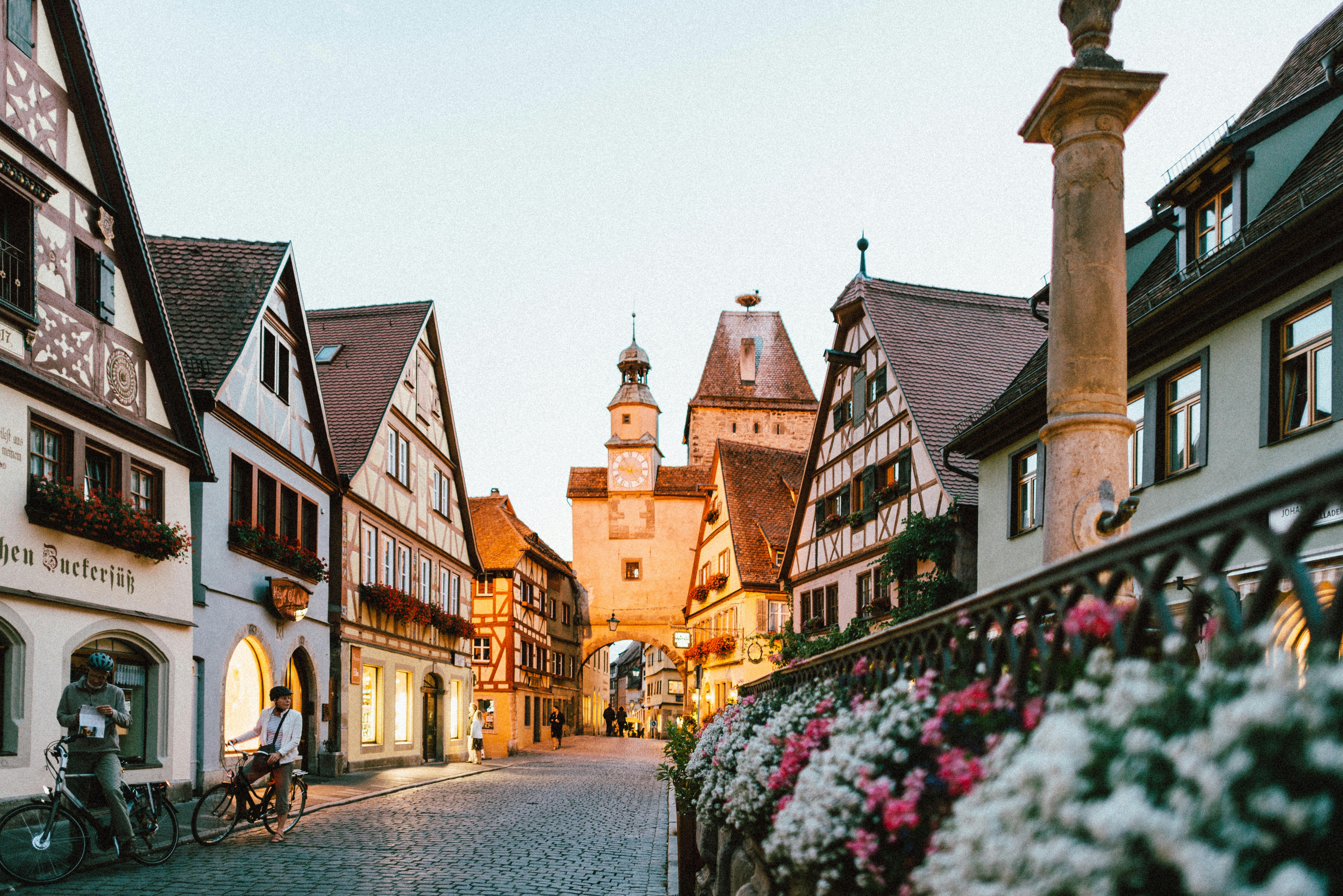
• Mid-April to early June offers pleasant weather and manageable crowds.
• September to mid-October is ideal for museum visits and city breaks.
• Winter, excluding late December to early January, is the most budget-friendly period.
Travellers who avoid major holiday weeks and festival seasons will benefit from steadier prices and higher availability. With so many new systems launching in 2026, early planning will help ensure a smoother experience across European destinations.
Track Latest News Live on NDTV.com and get news updates from India and around the world


