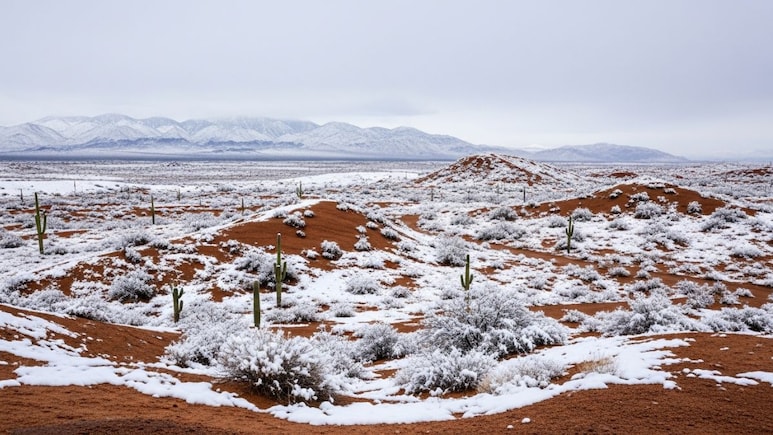
When we think of deserts, the image that usually comes to mind is one of blazing heat, endless stretches of sand, and dry winds sweeping across wide barren areas. Snow feels completely out of place in such a setting. Yet deserts are not defined by temperature; they are defined by how little rainfall they receive. This means a desert can be hot, cold, or somewhere in between.
Because of this, several deserts across the world-spread across both the Northern and Southern Hemispheres-experience snowfall during certain parts of the year. These snowy deserts reveal a lesser-known and fascinating side of Earth's landscapes, showing us that nature often breaks the patterns we expect.
Snowfall in deserts is mainly the result of sharp temperature swings. Many deserts lie far from oceans or are located at high altitudes, both of which allow heat to escape quickly after sunset. In winter, nighttime temperatures can fall below freezing. If a cold air system passes through and even a small amount of moisture is available, the conditions become perfect for snowfall. This unusual blend of dryness and cold makes snow in deserts rare but completely possible.
Understanding Deserts
Deserts are defined by low rainfall, not heat. This is why deserts can be scorching like the Sahara or freezing like the Gobi, and some even receive snow during winter.
Also Read: 6 Most Affordable Travel Destinations In India For 2026
unsplash
Cold Deserts of the Northern Hemisphere
1. Gobi Desert (Mongolia & Northern China)
The Gobi Desert is a vast cold desert known for its rocky plains and dramatic temperature shifts. It is one of the harshest environments on Earth, with freezing winters and hot summers.
Climate: Extremely cold winters with sharp temperature drops.
Snowfall: Common during winter due to its continental climate.
Why Snow Occurs: The desert lies far from the ocean and receives freezing winds from Siberia.
Best Time to Visit: May to September (pleasant temperatures and dry conditions).
2. Great Basin Desert (United States)
The Great Basin Desert is a high-elevation desert filled with rugged mountains and dry valleys. Its unique basin-and-range geography creates cold winters and regular snowfall.
Climate: Cold desert climate with snowy winters.
Snowfall: Regular in winter, blanketing valleys and mountain ranges.
Why Snow Occurs: High elevation and winter storm systems bring moisture and cold air.
Best Time to Visit: April to June or September to October.
3. Sahara Desert (Northern Africa)
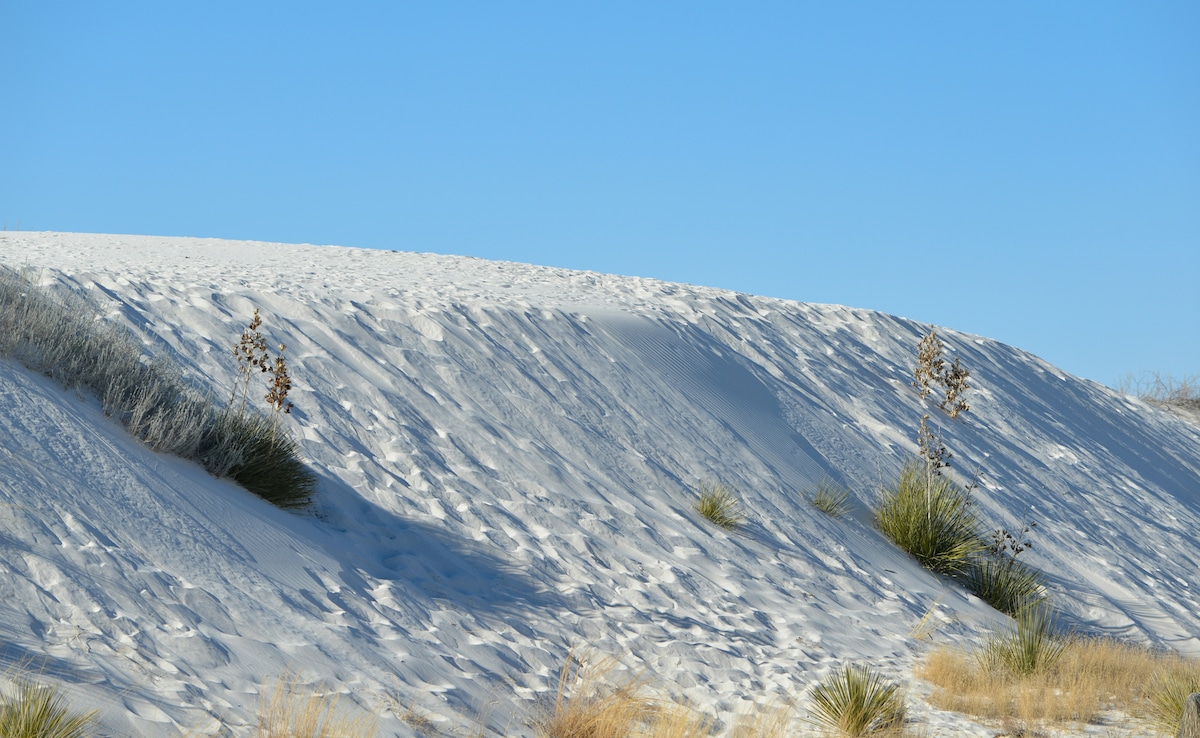
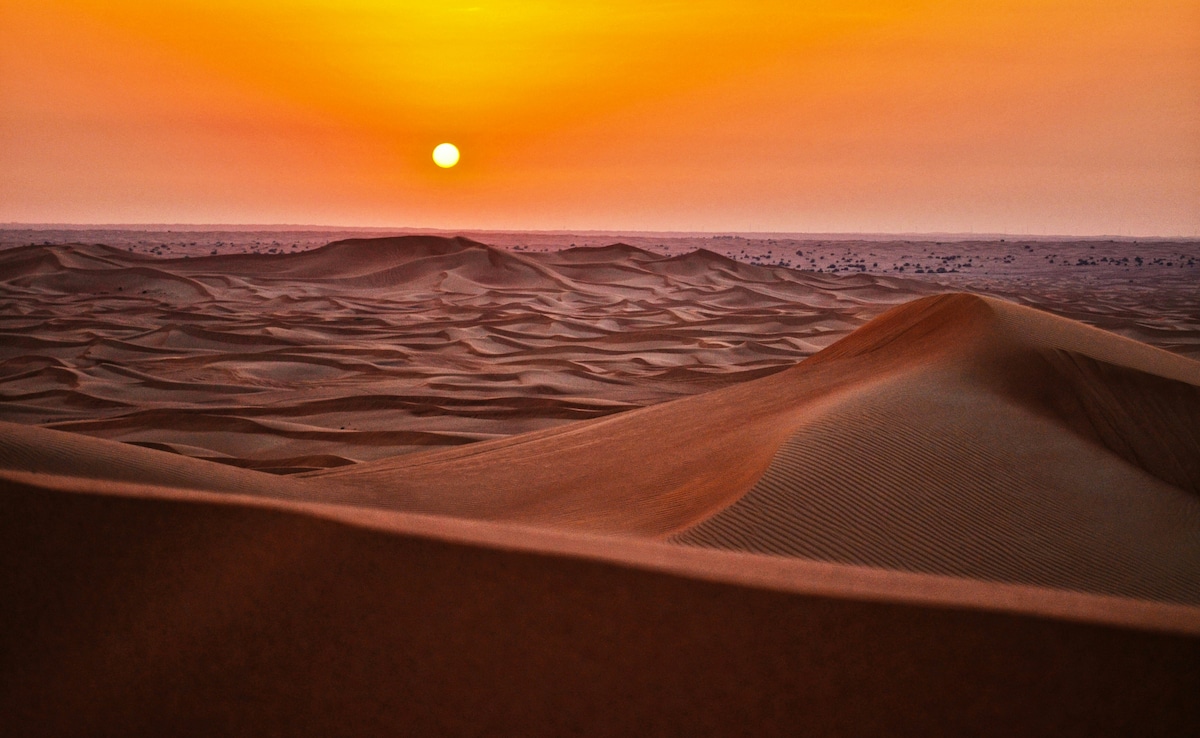
The Sahara is the world's largest hot desert, famous for its golden dunes and scorching weather. But parts of northern Sahara, especially near mountains, can get surprisingly cold.
Climate: Known for extreme heat but experiences cold nights.
Snowfall: Rare, but northern Sahara near the Atlas Mountains sometimes receives snow.
Why Snow Occurs: Cold air from Europe occasionally moves south.
Best Time to Visit: November to February.
unsplash
Also Read: This Country Is The Top Destination For Indian Weddings Abroad
Snowfall in Southern Hemisphere Deserts
1. Patagonian Desert (Argentina)
The Patagonian Desert is a cold, windswept landscape stretching across southern Argentina. It is known for its raw, rugged beauty and dramatic winter weather.
Climate: Cold, windy, and dry-a classic cold desert.
Snowfall: Regular during winter, especially at higher elevations.
Why Snow Occurs: Its southern location and altitude lead to freezing conditions.
Best Time to Visit: October to March.
2. Atacama Desert (Chile)
The Atacama Desert is the driest non-polar desert on Earth, known for its otherworldly landscapes and star-filled night skies. Despite its dryness, its high-altitude areas sometimes receive snow.
Climate: One of the driest places on Earth, with high-altitude regions.
Snowfall: Rare but dramatic snowfall occurs in elevated zones.
Why Snow Occurs: Occasional cold fronts from the Pacific reach the Andes.
Best Time to Visit: April to October.
Other Deserts That Also Receive Snow
1. Arctic Desert (Arctic Region - North Pole)
A polar desert covered mostly in ice sheets, tundra, and barren rock fields. It receives very little precipitation but stays frozen year-round.
Climate: Extremely cold, dry polar climate.
Snowfall: Regular light snowfall.
Why Snow Occurs: Constant sub-zero temperatures + polar moisture.
Best Time to Visit: June to August.
2. Antarctic Desert (Antarctica - South Pole)
The largest desert on Earth, made entirely of ice. Despite its appearance, it receives almost no rain and is considered a cold desert.
Climate: Harshest and coldest climate on the planet.
Snowfall: Frequent light snow.
Why Snow Occurs: Moisture from oceans freezes instantly.
Best Time to Visit: November to February.
3. Taklamakan Desert (China)
A vast sand desert surrounded by snowy mountains, making winter temperatures drop extremely low.
Climate: Very cold winters, hot summers.
Snowfall: Occasional winter snowfall.
Why Snow Occurs: Cold winds from Tian Shan mountains.
Best Time to Visit: April to June or September to October.
4. Karakum Desert (Turkmenistan)
A dry desert with sandy plains and a continental climate that sees temperature extremes throughout the year.
Climate: Hot summers, freezing winters.
Snowfall: Light snowfall in winter.
Why Snow Occurs: Continental climate creates sharp winter temperature drops.
Best Time to Visit: March to May or September to November.
How Snow Affects Desert Life
Even though snow in deserts is temporary, it is vital for ecosystems. Meltwater supports plants, insects, and animals, and even helps replenish underground water sources.
However, sudden cold spells can be challenging for species adapted to heat and dryness, making survival more difficult during extreme winter nights.
Changing Climate and Snowy Deserts
Climate change is causing shifts in weather patterns across the world. Some deserts may experience more unexpected snowfall due to changing wind systems, while others might lose snow completely as temperatures rise. Studying snowy deserts gives scientists valuable insight into how fragile and complex desert environments truly are.
Track Latest News Live on NDTV.com and get news updates from India and around the world


