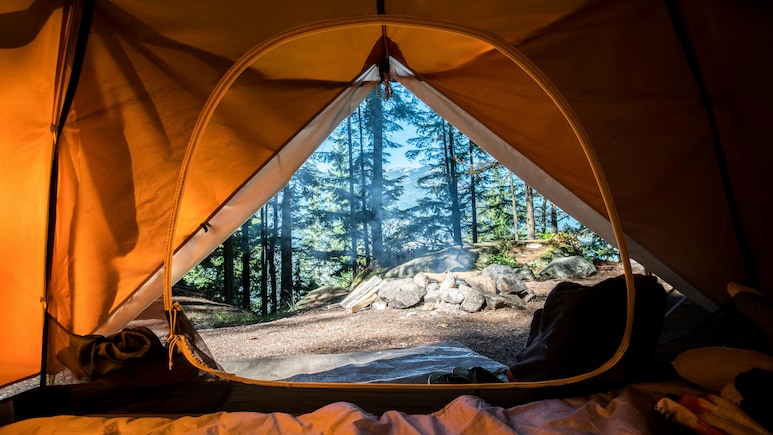
With the temperature being slightly moderate in India, it is the time of the year, when people look for Camping based travel. While traveling and staying in hotels is exciting, camping and connecting with nature is a completely different experience. And there is a constant rise in the number of travellers looking for camp-based travel. Indian adventure tourism market is worth about USD 19.7 billion in 2025. The increase is more prevalent amongst younger millennials (in their 30s) and Gen Z.
India recorded over 2.5 billion domestic tourists, contributing to a growing demand for camping tents and outdoor gear in 2023. One gets to connect with nature, experience adventure, learn life skills, understand team work, responsibility, and survival.
One of the most popular camping locations is Rishikesh, known for its riverside camps and adventure activities such as rafting and trekking. Spiti Valley, on the other hand offers breathtaking mountain views and a unique camping experience in the cold desert region.
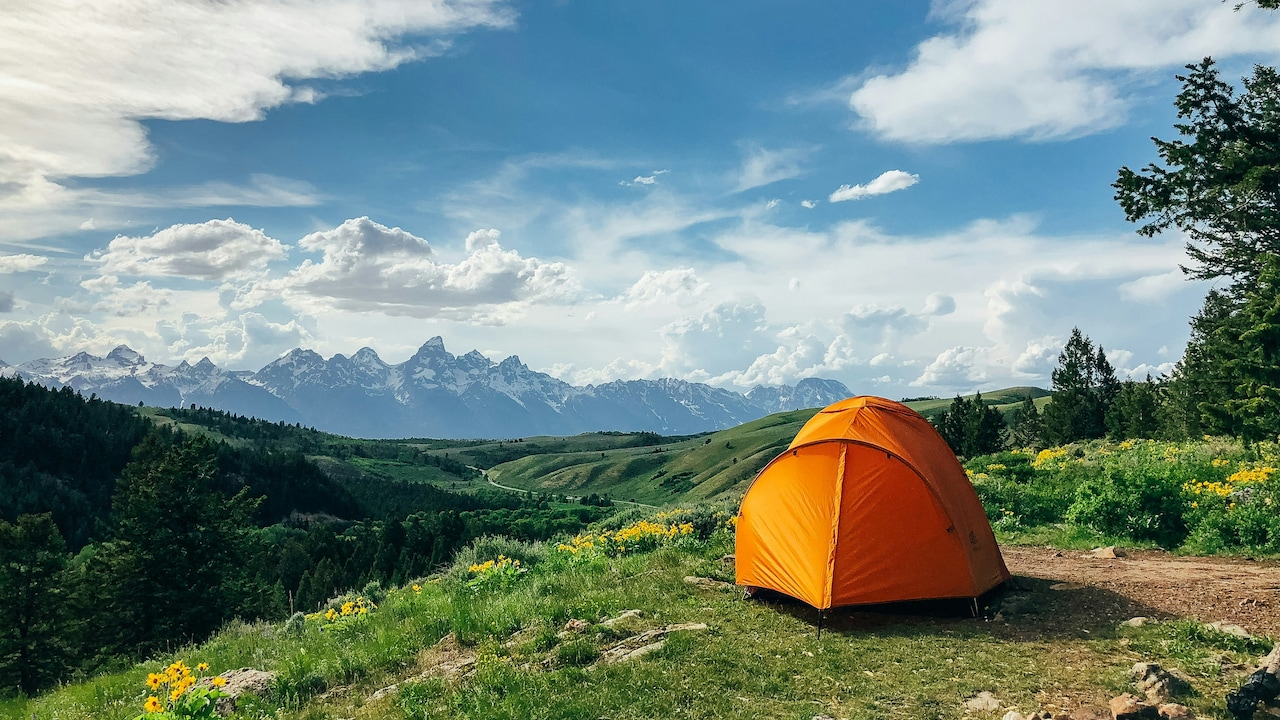
Photo: Unsplash
Nature lovers often prefer Jim Corbett National Park, where camping provides opportunities to explore rich wildlife and scenic landscapes. In western India, Jaisalmer Desert offers a memorable experience of camping under the stars amidst golden sand dunes. For those seeking a lakeside retreat, Pangong Lake is a spectacular destination famous for its crystal-clear blue waters and stunning surroundings.
Also Read: After Watching The Odyssey, Add These Moroccan Spots To Your Bucket List
When selecting a campsite, it is important to choose a safe and suitable location. The ground should be flat, dry, and away from areas prone to flooding or landslides. Campers should also ensure that clean water and basic facilities are available nearby. Proper planning and preparation can prevent accidents and ensure that everyone enjoys the experience.
Avoiding Camping In Dry River Beds
Dry river beds usually look safe, many Himalayan and Western Ghats streams swell suddenly due to upstream rain, cloudbursts, dam releases or night-time runoff. The danger lies in the catchment area that one is not able to see. Campers should look for silt marks, stuck plastic, flattened grass, rounded stones and debris lines, these are signs water has recently passed through.
Lightning Is A Major Camping Risk
Open meadows, ridgelines, lakesides and isolated trees can become dangerous during thunderstorms. India records a high number of lightning-related deaths every year. In case of a rain prone area or mountains, campers should pre-identify a hard shelter or low-safe area before dark.
Following The “Two-Exit Campsite Rule”
One should not select a site where the only exit is through a narrow bridge, stream crossing, landslide-prone road, or steep track. In India's hill routes, one landslide or swollen nullah can cut off access for hours. A safe campsite should have at least two practical exit directions.
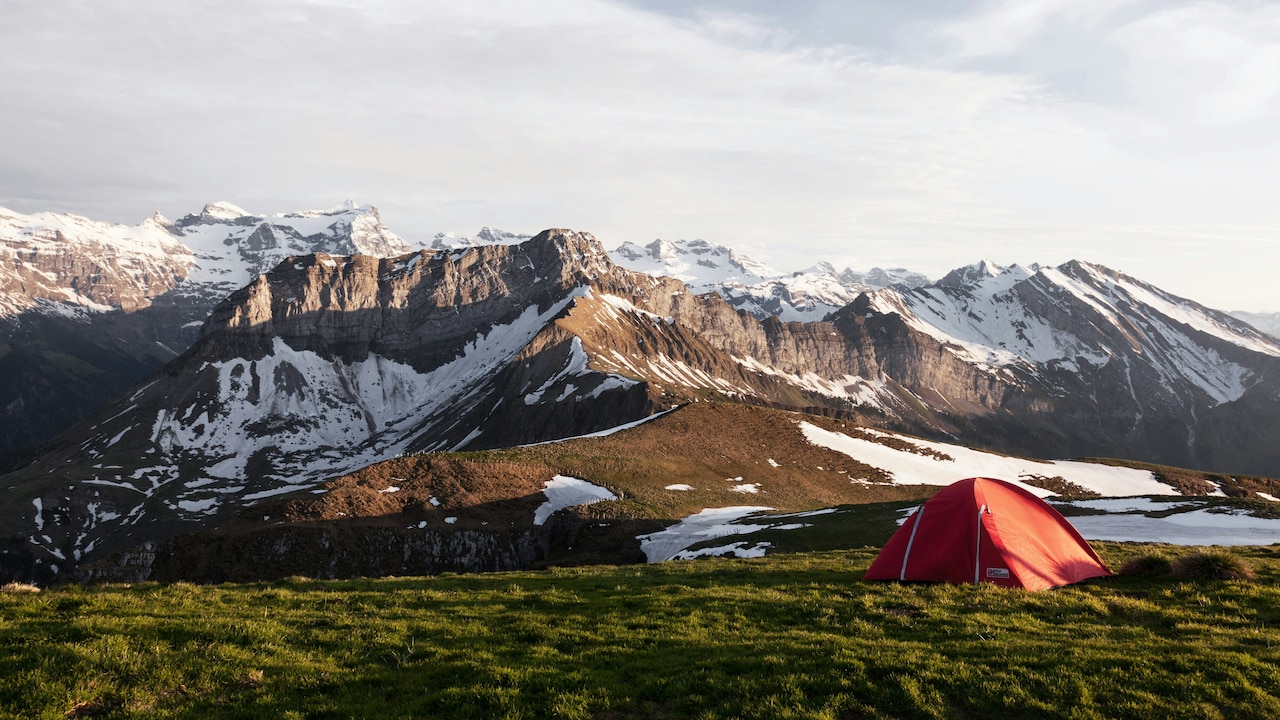
Photo: Unsplash
Checking Weather Forecasts
Weather conditions can change rapidly, especially in mountainous and forested regions. Campers should monitor weather forecasts (well in advance) before and during the trip. In case of storms, strong winds, or heavy rainfall, appropriate precautions should be taken, and activities may need to be postponed. Comfortable shoes, layered clothing, rain gear, hats, and sunscreen help protect against environmental hazards. Bright-colored clothing can also make it easier for others to locate campers if necessary.
Practicing Fire Safety
Campfires are often an important part of camping, but they can also be dangerous if not managed properly. Fires should only be built in designated areas and kept under control at all times. Campers should never leave a fire unattended and must ensure it is completely extinguished before sleeping or leaving the campsite.
Storing Food Properly
Food storage is of primary importance, where food should be stored securely to prevent attracting wild animals. Sealed containers or coolers can help keep food safe.
Being Aware Of Wildlife
Respecting wildlife is an important part of camping. Campers should avoid feeding animals, keep a safe distance, and learn about local species. Before setting up camp near forests, farms or orchards, it is important to ask the homestay owner, forest guard, shepherd or village shopkeeper if the area lies on a wildlife route, grazing route or late-night local movement path. Local intelligence in India is more helpful than a map.
Keeping ID Proof Accessible
Forest gates, border areas, eco-tourism zones, trekking check-posts and police nakas may ask for ID. Hence keeping Aadhaar/passport/driving licence and permit copies ready, especially in Ladakh, Arunachal, Sikkim, Spiti, Uttarakhand border areas and wildlife zones, is extremely important.
Also Read: Did The British Steal Everest? The Forgotten Indian Genius Behind The World's Tallest Peak
By planning carefully, respecting the environment, and prioritizing safety, campers can enjoy a rewarding outdoor experience while minimizing risks. Responsible camping not only protects individuals but also helps preserve natural areas for future generations to enjoy.
About the Author: Govind Gaur is the Founder and CEO of WanderOn
Track Latest News Live on NDTV.com and get news updates from India and around the world


