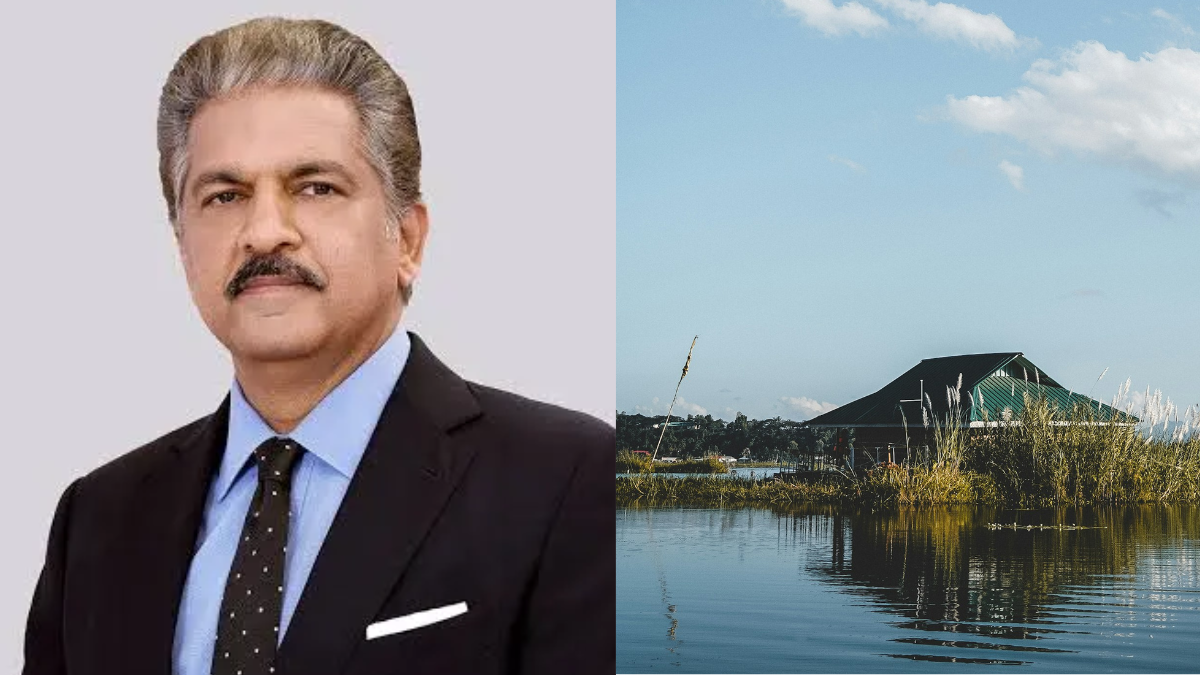
Anand Mahindra has spotlighted yet another awe-inspiring natural spot on his X page. The industrialist is well-known for his travel and culture-related posts that highlight different destinations and attractions across the country. Recently, he reshared a video about the Loktak Lake in Manipur. Expressing his wonder about its appearance, Anand Mahindra described it as "almost unreal." He hinted that many amazing spots like these are not discussed often in mainstream discourse. He wrote, "What is truly unreal is the number of relatively unknown but magical destinations in India..." Take a look below:
Loktak Lake, Manipur.
— anand mahindra (@anandmahindra) January 11, 2026
Almost unreal…
What is truly unreal is the number of relatively unknown but magical destinations in India…
Video courtesy @GoNorthEastIN #SundayWanderer
pic.twitter.com/WD5zERTTmv
Anand Mahindra's post has received a lot of interest online. Read some of the reactions of X users below:
Almost looks like a painting come to life 😍🇮🇳 So many hidden gems like Loktak remind us how magical and diverse India really is. #SundayWanderer
— shiboo (@shiboo3008) January 11, 2026
Great place 👍
— Swamy Naidu Lenka (@SwamyNaiduLenka) January 11, 2026
The North East is the hidden gem of India. Much needs to be explored
— Subhajit Roy (@Subhaji11545852) January 11, 2026
loktak lake is not only beautiful to see, but it also supports local livelihoods through fishing and is home to the sangai deer in the world's only floating national park.
— Marx2.O (@Marx2PointO) January 11, 2026
Totally agree! India's full of hidden gems. Loktak Lake looks like it belongs in a fairytale. Who needs a vacation abroad?
— Nitin (@Nitin1617177) January 11, 2026
Absolutely surreal ✨
— Arun Kumar (@arunbwn) January 11, 2026
Loktak Lake is a reminder that India's real magic lies beyond the usual tourist circuits.
So many breathtaking places remain unseen, unheard, and underrated — especially in the Northeast.
Time we explored India, not just advertised it. 🌿#SundayWanderer…
Loktak Lake: A Travel Guide To This Wonderful Floating Landscape
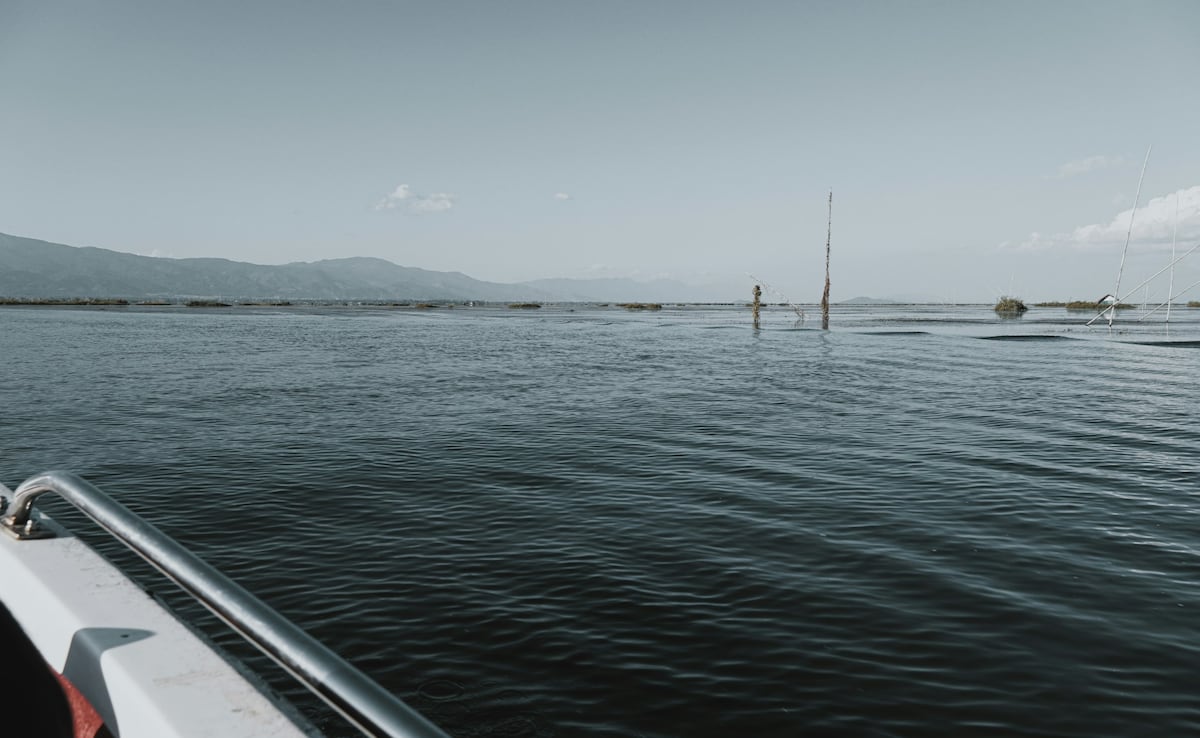
Photo Credit: Unsplash
Loktak Lake is located about 40 kilometres from Imphal. It is the largest freshwater lake in Northeast India and is best known for its floating islands, called "phumdis". These drifting landforms define not just how the lake looks, but also how people live, fish, and move across it. For travellers, Loktak offers a grounded, low-key experience that is sure to be memorable.
Loktak functions as a natural reservoir for the region, collecting water from several rivers and streams. Its surface area changes with the seasons, expanding during the monsoon and shrinking in drier months. The lake supports fishing, agriculture in surrounding areas, and acts as a buffer against floods. This practical importance is what has kept Loktak central to Manipur's economy for generations.
Also Read: Anand Mahindra's Travel Tip: Why You Should See These Rajasthan Forts
Understanding Phumdis
Phumdis are floating masses formed from vegetation, soil, and organic matter at different stages of decay. They develop naturally and are sustained by nutrients in the water. Some phumdis are light and temporary, while others become thick and compact over time. These larger phumdis can support huts, vegetable patches, and even forested areas. Because phumdis drift and change shape, the lake never looks the same from one season to the next.
Keibul Lamjao National Park
Keibul Lamjao National Park lies entirely on floating phumdis and is the world's only national park of its kind. It is the last natural habitat of the endangered sangai deer. The park's survival depends on the health of the lake, as stable water levels are essential to maintaining the thickness of the phumdis. Visitors are allowed only in certain areas, and access is carefully regulated.
Human life is deeply intertwined with Loktak. Fishing communities live along its edges and on floating settlements within the lake itself. Traditional fishing methods are still common, including bamboo traps and circular enclosures that dot the water's surface. Many families depend entirely on the lake for income, making Loktak as much a lived-in space as a natural one.

Why Visit Loktak Lake
Visitors can enjoy boat rides, lake viewpoints, and slow exploration at this spot. Travellers often find that the appeal lies in watching fishermen at work, noticing how the phumdis shift, and understanding how the lake shapes everyday routines. It suits those interested in landscapes, ecology, and regional culture.
Also Read: Anand Mahindra Spotlighted This Temple In Thanjavur For Its "Sophisticated Ancient Engineering"
Practical Guide To Visiting Loktak Lake
Best Time To Visit
The most comfortable time to visit Loktak is between October and March, when temperatures are mild, and rainfall is low. Winter also brings migratory birds to the lake. The monsoon months offer dramatic views as the lake swells, but road access and boat movement can be affected.
How To Get There
Imphal Airport is the nearest airport and is well-connected to major Indian cities. From Imphal, Loktak Lake can be reached by road in about one to one-and-a-half hours. Taxis are the most convenient option, though shared transport is also available.
Where To Stay
Imphal remains the most practical base, offering a range of hotels and easier access to transport. Near the lake, accommodation options are limited and mostly consist of small guesthouses and homestays, which appeal to travellers looking for proximity and quieter surroundings.
Getting Around The Lake
Boats operated by locals are the primary way to explore Loktak. Certain zones, especially near the national park, are restricted. Hiring local boatmen or guides helps ensure access is appropriate and respectful of conservation rules.
Responsible Travel At Loktak
Loktak's ecosystem is fragile. Visitors should avoid littering, respect restricted areas, and be considerate when photographing people and homes. Choosing local services helps support communities that depend on the lake.
Over time, Loktak has faced pressure from altered water levels, pollution, and changes in land use. These factors affect the phumdis and, in turn, wildlife and livelihoods. It is important to stay informed about conservation efforts, which aim to balance environmental protection with the needs of local residents.
Loktak Lake stands apart because it is constantly in motion: ecologically, socially, and visually. Its floating landscape, rare wildlife, and lake-based communities offer a distinctive travel experience.
Track Latest News Live on NDTV.com and get news updates from India and around the world


