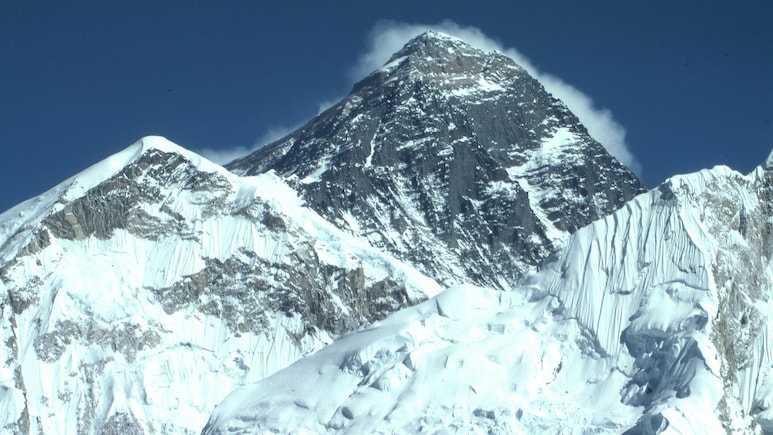
72 years after Edmund Hillary and Tenzing Norgay first stood atop Mount Everest, the mountain's fame now comes with overcrowding and waste having scarred an iconic landscape that once felt pristine. Sagarmatha National Park in eastern Nepal receives around 100,000 visitors annually, according to National Geographic. Each peak season can see up to 500 trekkers a day marching towards Base Camp, which erodes trails, drives deforestation and spills rubbish onto the glacier-fed watershed.
Recently, Nepal has unveiled a five-year "Action Plan to Keep Mountains Clean (2025-2029)" that, for the first time, allows authorities to limit climbers based on a peak's conditions and carrying capacity. This is an important step to reset how we travel responsibly in the Himalayas.
Also Read: Everest Base Camp Trek: All You Need to Know About The Biggest Expedition Of Your Life
The World's Highest Garbage Dump
Mount Everest's popularity surges during the few weeks each spring when weather windows open. More than 600 people typically attempt the summit in a season, with at least one local worker per climber supporting expeditions - guides, porters and cooks who form the backbone of Himalayan mountaineering.
Queues at narrow sections like the Hillary Step have become common, sometimes forcing climbers to wait for hours in thin air before stepping onto the top. The sheer volume of footfall has turned sections of the route and nearby camps into littered zones, compounding environmental stress on a sensitive high-altitude ecosystem.
Widely shared clips on social media have highlighted the human impact on Everest: a 2019 video shows queues bottlenecked on the Hillary Step, and newer posts from 2024 depict Camp IV strewn with torn tents, oxygen bottles and mixed trash.
Also Read: Everest Permit Price Climbs New Heights: Debate Over Nepal's Move
Watch the viral clips below:
The line to reach the summit of Mount Everest
— Science girl (@sciencegirl) December 21, 2025
pic.twitter.com/BLqzqK80Fb
Camp IV, Mt Everest.
— Volcaholic 🌋 (@volcaholic1) December 19, 2025
No polite words.
📹 @poornimashresthpic.twitter.com/mBfTEUxm7L
Existing Efforts To Manage Waste On Mount Everest
Community-led efforts remain central:
- The Sagarmatha Pollution Control Committee (SPCC), run by Sherpa stakeholders, manages waste sites, monitors permissions and educates visitors on taking care of the environment.
- Nepal has also used refundable deposits since 2014: climbers pay USD 4,000 and recover it by returning with 8 kilogrammes of garbage, an incentive aligned with estimates of per-climber waste.
- Large-scale clean-ups have complemented these measures, including a 2019 campaign to remove 10,000 kilogrammes of trash from the mountain.
- The Mount Everest Biogas Project proposes solar-powered systems to turn human waste into usable fuel, reducing contamination risks and creating local jobs.
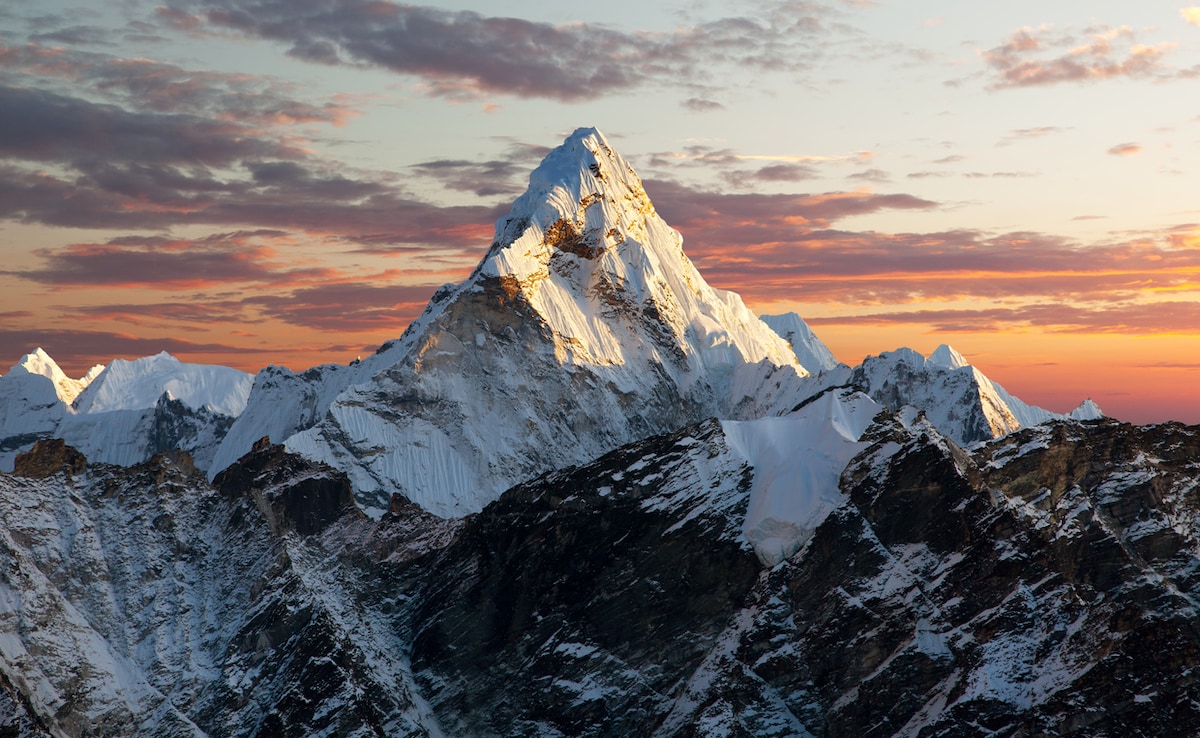
Planning Your Everest Trek Responsibly: Practical Steps For Every Trekker
The Nepal Mountaineering Association sets rules and guidance that every traveller should adopt before lacing boots and climbing the Everest. These practices are simple, doable and make a measurable difference:
- Carry a small stove with fuel to avoid cutting firewood.
- Use a tent with poles and a waterproof floor so you don't cut trees or dig rain ditches.
- Pack garbage bags to collect and carry out litter.
- Repack food from cans and bottles into lighter bags to reduce weight and waste; if you can't repack it, consider leaving it at home.
- Do not feed animals and never carve on trees or disturb moraine cairns (rock piles) used as navigation aids.
- Choose biodegradable soap; defecate at least 30 metres from water sources, trails and camps; if toilet paper is essential, burn it after use.
- In groups, dig temporary latrines at least 20 cm deep and cover them before leaving. Use fixed toilets wherever available.
- Pack out all non-burnable rubbish; only paper, tampons and food scraps should be burned. Scatter grey water widely rather than pouring it in one spot. Use designated refuse pits if you truly cannot carry metal, glass or plastic out.
Remember the long afterlife of waste: an aluminium drinks can can last about 495 years; plastics about 220 years; glass potentially up to a million years, so even a "small" wrapper matters.
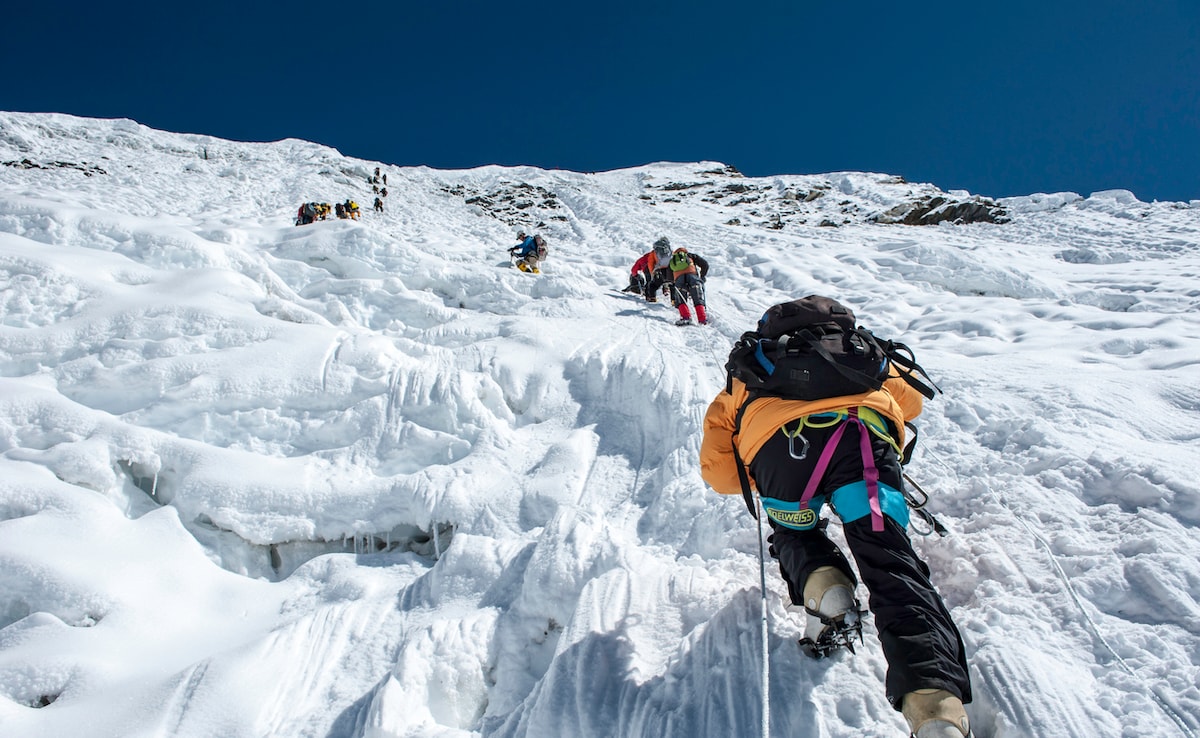
Bringing Back The Pristine Landscape Of Everest
Everest will always attract the ambitious, but sustainable and responsible tourism is the only way to protect a sacred mountain that is also a living water source for thousands downstream. With Nepal's new action plan, community responsibility and traveller accountability, every climb must aim to maintain the cleanliness, beauty and natural ecosystem of the Himalayas.
Track Latest News Live on NDTV.com and get news updates from India and around the world


