In an age dominated by traffic jams and blaring horns, some destinations offer a refreshingly different pace of life. These places have chosen people over vehicles, creating cleaner, quieter and more walkable environments. Without cars, streets become social spaces rather than shortcuts. The absence of engines allows architecture, culture and natural beauty to take centre stage. Travelling through such destinations feels more intimate and unhurried. They also serve as gentle reminders of how cities once functioned before cars took over.
Car-Free Destinations Around The World That Offer A Slower Way To Travel
1. Venice, Italy
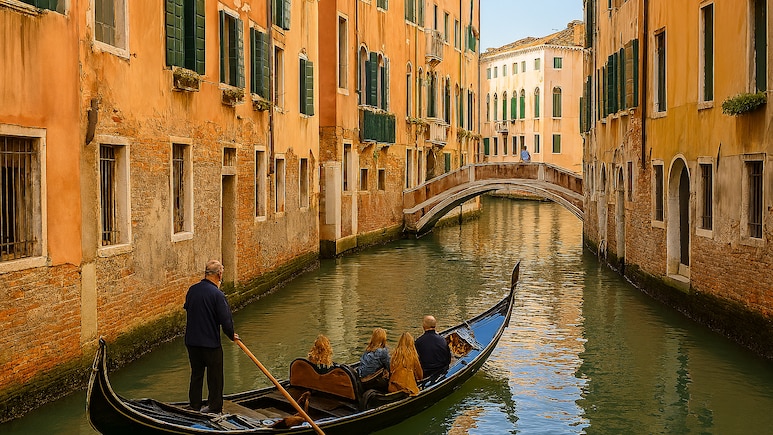
Venice is perhaps the most iconic car-free city in the world, where canals replace roads and boats replace buses. From vaporetto water buses to private gondolas, water-based transport defines daily life here. Visitors navigate the city entirely on foot or by boat, crossing scenic bridges at every turn. This distinctive layout adds to Venice's enduring romance and old-world charm.
Also Read: 7 Perfect Places In India To Travel With Your Grandparents This Summer
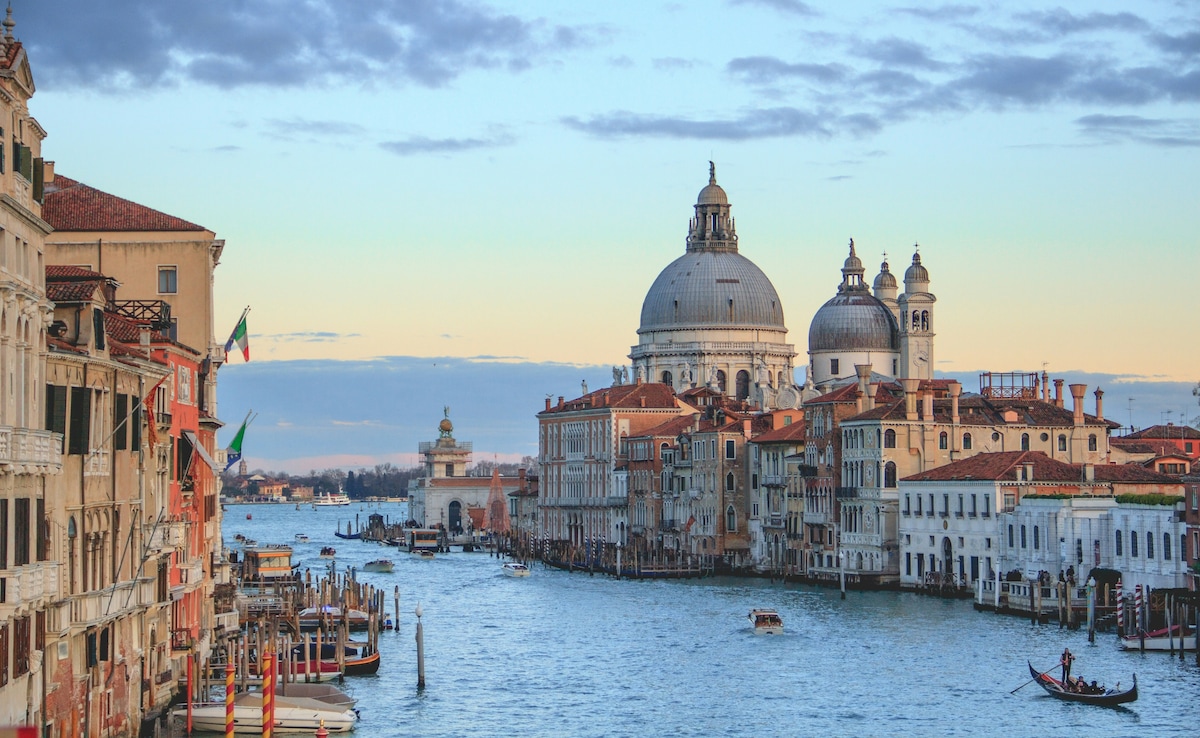
Photo Credit: Unsplash
2. Zermatt, Switzerland
Nestled in the Swiss Alps, Zermatt has banned petrol-driven cars to protect its pristine mountain environment. Visitors arrive by train and move around using electric taxis, e-buses or simply by walking. The car-free rule ensures clean air and uninterrupted views of the Matterhorn. It also enhances the town's reputation as a sustainable alpine resort.
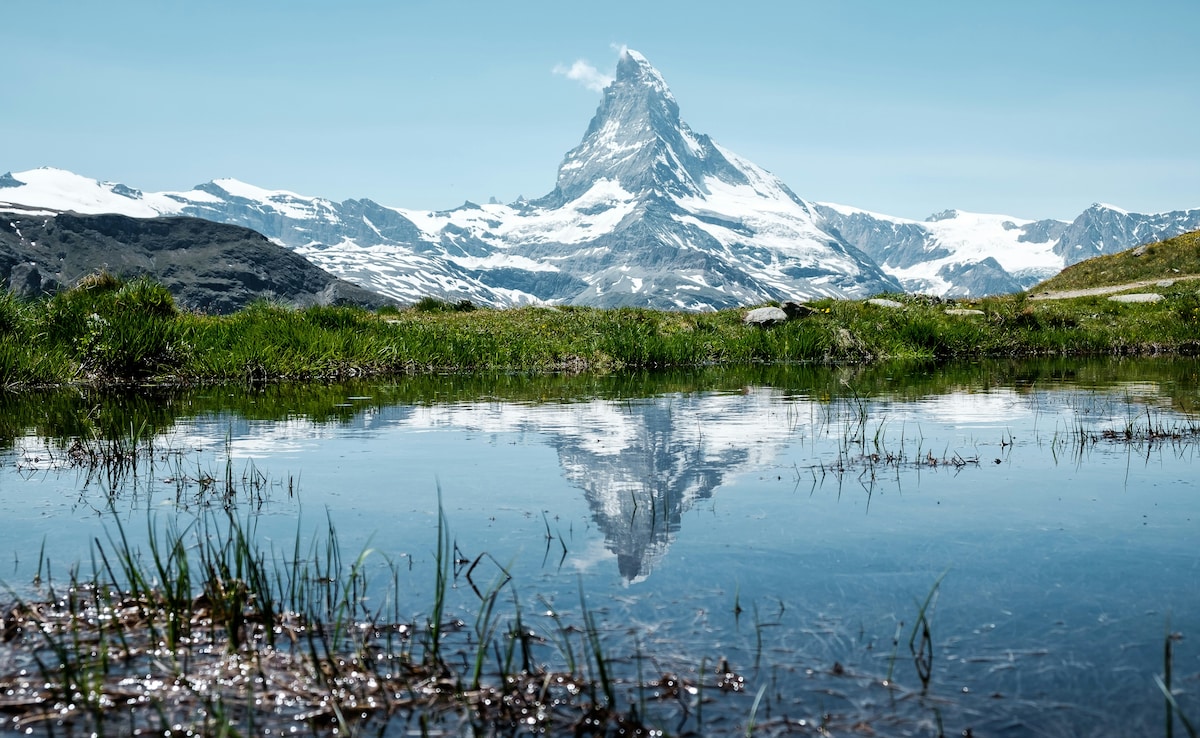
Photo Credit: Unsplash
3. Mackinac Island, USA
Mackinac Island has prohibited cars since 1898, making it one of the earliest examples of a car-free destination. Horse-drawn carriages and bicycles are the primary modes of transport across the island. With no traffic noise, the setting feels nostalgic and peaceful. The policy preserves both the island's historic character and its relaxed atmosphere.
4. Hydra, Greece
Hydra stands out among the Greek islands for completely banning motor vehicles. Donkeys are traditionally used to transport goods, while residents and visitors explore on foot. The lack of cars keeps the island quiet and visually untouched. As a result, Hydra retains a distinctly old-world Mediterranean appeal.
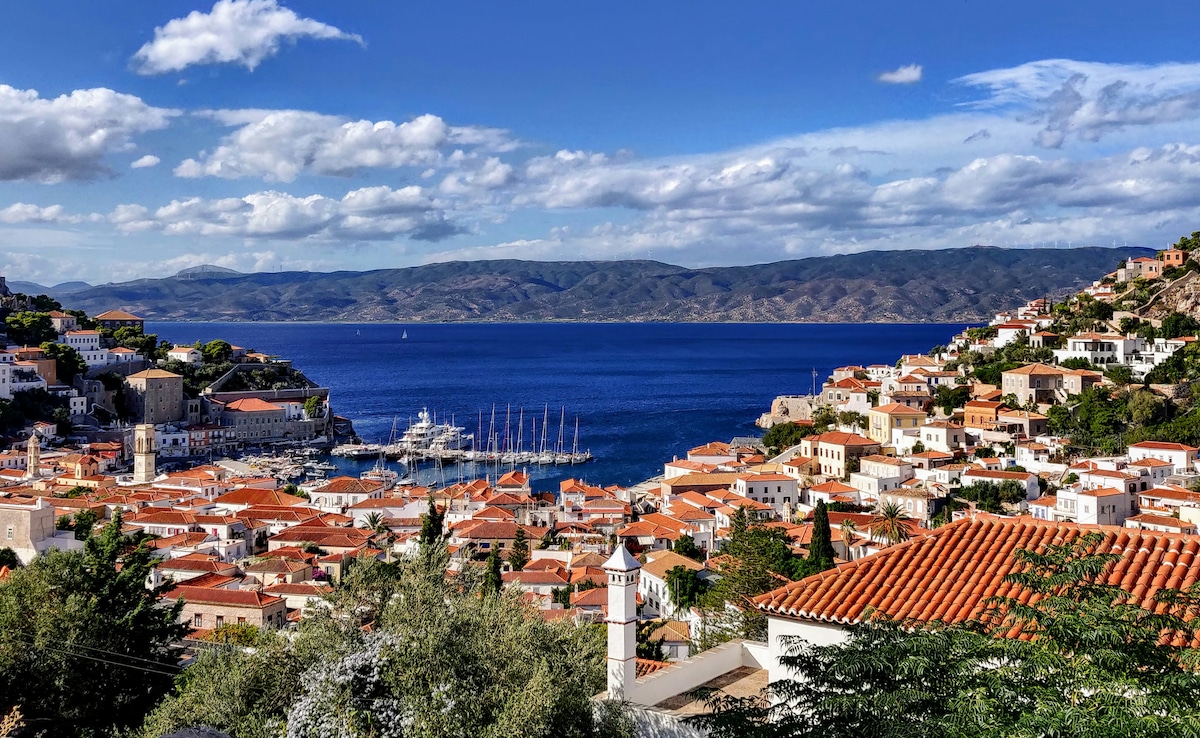
Photo Credit: Unsplash
5. Giethoorn, Netherlands
Often called the Venice of the North, Giethoorn is built around canals rather than streets. Small electric boats glide past thatched cottages, while footpaths and cycling tracks connect the village. Cars are largely kept outside the central area. This setup makes Giethoorn feel calm, quaint and almost storybook-like.
6. Fes el Bali, Morocco
Fes el Bali is the world's largest car-free urban zone, with a maze of narrow alleys forming its historic medina. Transport here relies on handcarts, mules and sheer human movement. The absence of cars has helped preserve centuries-old architecture and traditions. Walking through the medina feels like stepping into living history.
Also Read: Why Do Pilots Wash Airplane Windows With Soda? A Viral Video Has The Answer
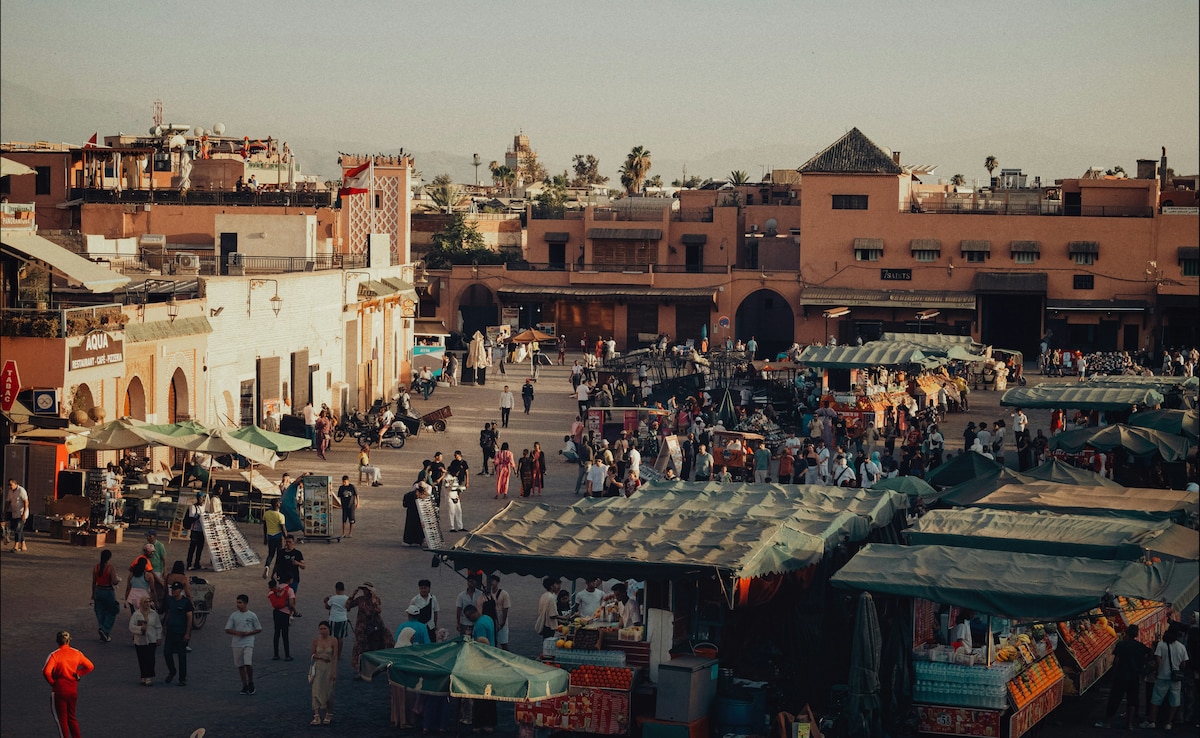
Photo Credit: Unsplash
7. La Digue, Seychelles
La Digue limits cars to a handful of essential service vehicles, making bicycles the preferred way to get around. Coconut-lined roads lead to some of the Seychelles' most beautiful beaches. The restriction keeps the island quiet and environmentally friendly. It also contributes to La Digue's laid-back, tropical charm.
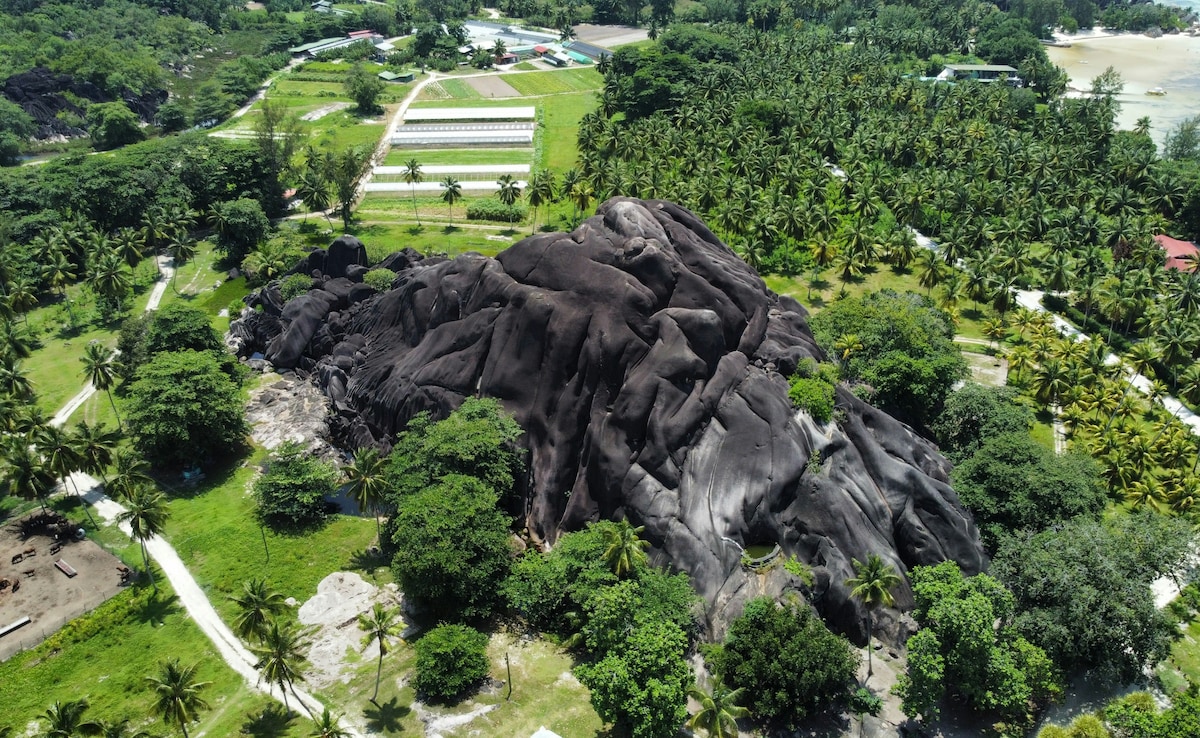
Photo Credit: Unsplash
8. Matheran, Maharashtra, India
Matheran is India's only hill station where motor vehicles are completely banned. Visitors must park outside the town and explore on foot, horseback or by hand-pulled rickshaws. The car-free rule helps preserve its forested landscapes and panoramic viewpoints. As a result, Matheran offers a rare, tranquil escape with cleaner air and a slower rhythm of life.
These car-free destinations prove that travel can be slower, quieter and far more meaningful without vehicles.
Track Latest News Live on NDTV.com and get news updates from India and around the world


