Modern life moves at an exhausting speed. Your phone buzzes constantly. Your calendar overflows. Everyone seems to be rushing to the next thing without actually enjoying the current moment. Your body feels heavy. Your mind feels scattered. You can't remember the last time you simply sat and did nothing without guilt. This is why slow travel exists. It's not about visiting fewer places. It's about visiting places specifically designed by culture and geography to teach you a different way of living.
These countries have rejected the modern obsession with speed. Their citizens prioritise presence over productivity. They've built entire lifestyles around savouring moments. Visiting them isn't a vacation. It's a reset. A reminder that life doesn't require constant motion to be worthwhile. The following eight countries offer this gift: spaces where time moves differently, where meals take hours, where silence isn't uncomfortable, where your worth isn't measured by accomplishment. These destinations don't ask you to fit into their schedules. They invite you to adopt their rhythm. They teach you what slow actually means.
Also Read: Discovering Saudi Culture Across Three Cities
Here Are 8 Countries That Are Perfect For Slow Travel:
1. Bhutan: Measuring Happiness Over Economic Growth
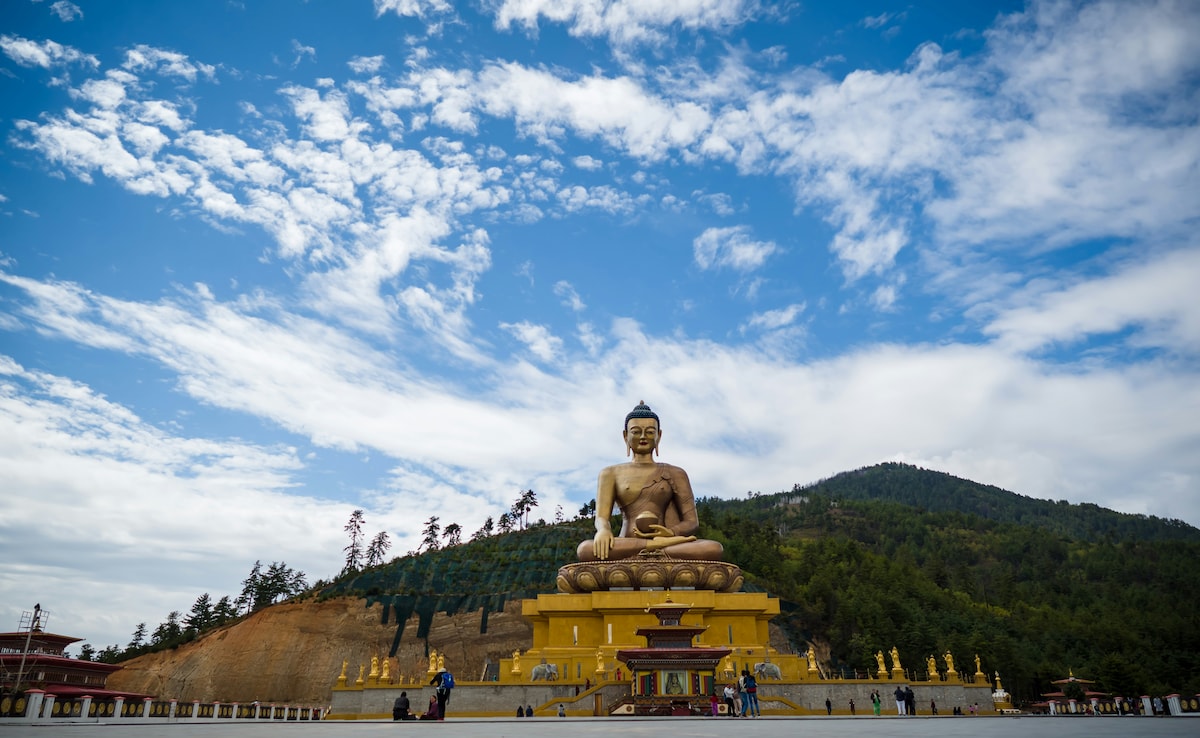
Photo Credit: Unsplash
Bhutan stands completely apart from the rest of the world. While most nations measure progress through GDP, Bhutan measures it through Gross National Happiness. This single philosophical shift changes everything about how society functions. Life revolves around spirituality, nature, and deep cultural values rather than acquisition and expansion. The landscape itself reinforces this. Mountains dominate. Monasteries perch on cliffsides. Prayer flags flutter everywhere. Walking through Bhutan feels like walking through a country that time forgot.
How To Get There:
Fly to Paro International Airport, Bhutan's only international airport. Most international flights connect through Bangkok, Delhi, or Kathmandu. Bhutan requires visitors to book through licensed tour operators. This isn't a bureaucratic hassle. It's deliberate. Bhutan restricts tourist numbers to preserve its culture and environment. Expect to spend 250-400 USD daily, including accommodation, meals, and guide services.
Visa And Entry:
Indian citizens get special treatment. No visa required for Indian nationals. Citizens of most other countries need a visa arranged through their tour operator before arrival. Bhutan's deliberate limitations mean you can't just show up. You must plan ahead. This planning creates anticipation. It separates genuine travellers from casual tourists.
What To Experience:
Trek to Tiger's Nest Monastery, a sacred temple perched 3,120 metres above a valley. The hike takes about 4 hours and requires presence. You can't rush it. Attend Buddhist festivals if timing allows. The Paro Festival celebrates with masked dances and spiritual rituals. Stay in monasteries where monks share meals and teachings. Participate in archery, Bhutan's national sport. Eat local cuisine, which relies heavily on chillies and cheese. Most importantly, sit. Watch. Listen. Bhutan rewards slow travel like nowhere else.
2. Portugal: Leisure, Food, And Evening Strolls
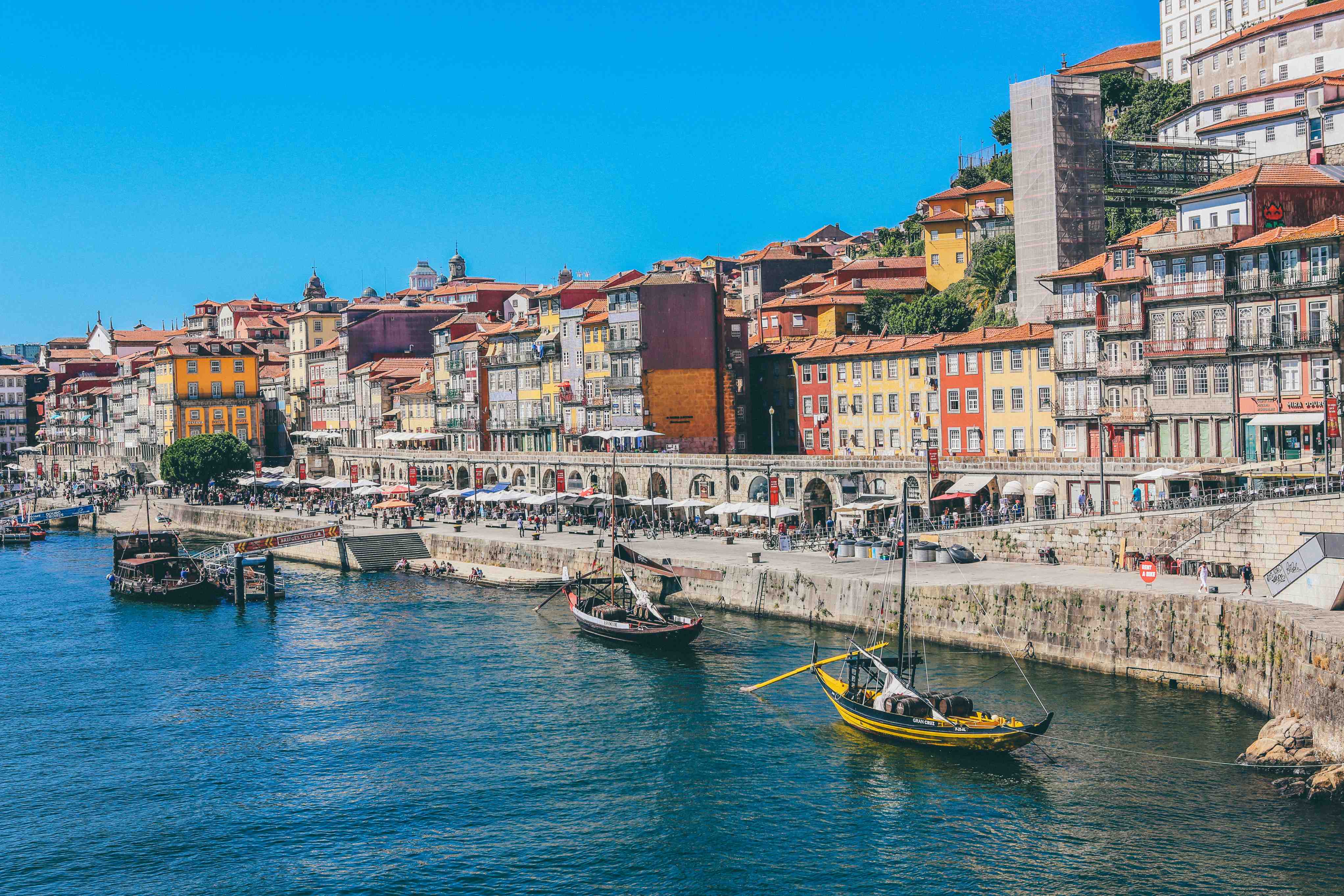
Portugal rejected the acceleration that captured most European countries. Life remains rooted in family, food, and neighbourhood culture. Long lunches aren't rushed. Evening strolls through town centres are sacred rituals. Markets remain the heart of daily life rather than supermarkets. Portugal feels like time moved slowly on purpose here.
How To Get There:
Fly into Lisbon from most international cities. Internal trains connect Lisbon to Porto, Covilhã, and smaller towns. Portugal's excellent train network makes slow travel natural. Rent a car for countryside exploration. Buses connect villages. Once there, move slowly. Stay in one place for at least a week.
Visa And Entry:
EU citizens need only a valid passport. Indian citizens can visit visa-free for up to 90 days. No special documentation required beyond a valid passport. The ease of entry invites extended stays.
What To Experience:
Visit coastal villages like Cascais or Sintra. Explore Douro Valley wine region, where vineyards cascade down hillsides. Walk through Alfama district in Lisbon's old neighbourhoods. Attend local festivals. Participate in long family meals. Shop at daily markets. Sit in cafés and watch life happen. Explore monasteries. Visit the colourful azulejo tiles that decorate buildings. Portugal rewards wanderers, not tourists with itineraries.
3. Japan: Mindfulness Through Ancient Tradition
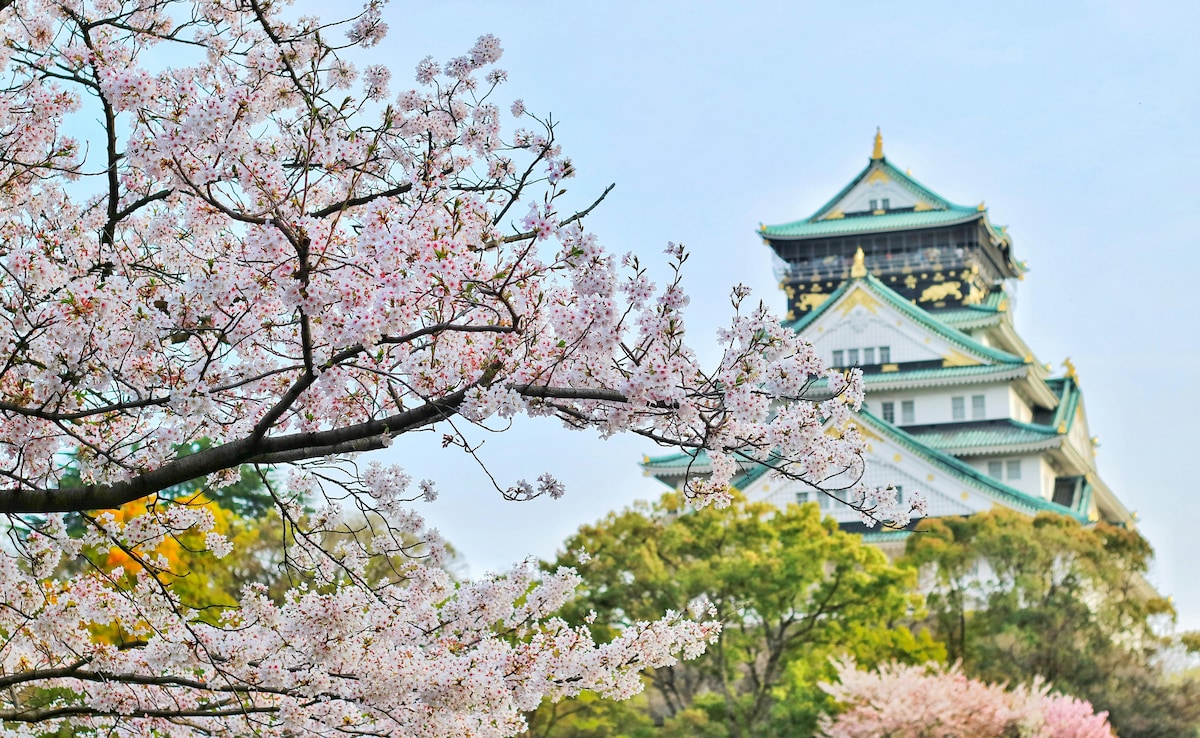
Photo Credit: Pexels
Japan balances modernity with ancient philosophy beautifully. Cities like Tokyo buzz with contemporary energy, but for slow travel, head to cities like Otaru and Hokkaido, where traditional practices remain. Forest bathing (shinrin-yoku) is recognised as a health practice. Meditation remains central. Tea ceremonies teach presence. Japan offers slow living alongside modern convenience, making slow travel natural even in cities.
How To Get There:
Fly into Tokyo or Osaka. Japan's train system is world-class. Rail passes allow extended travel. Stay longer in cities like Kyoto and Hokkaido, where temples outnumber modern buildings. Use trains between regions.
Visa And Entry:
Indian citizens get a 90-day tourist visa on arrival. No advance visa needed. This generosity invites extended stays. Entry is straightforward.
What To Experience:
Practice forest bathing in national parks. Visit temples and gardens in Kyoto. Participate in tea ceremonies. Sleep in traditional ryokans. Experience onsen (hot spring bathing). Attend seasonal festivals like cherry blossom viewing or autumn foliage appreciation. Learn basic Japanese. Sit in quiet spaces and observe. Japan teaches that presence is as important as activity.
4. Costa Rica: The Pura Vida Philosophy
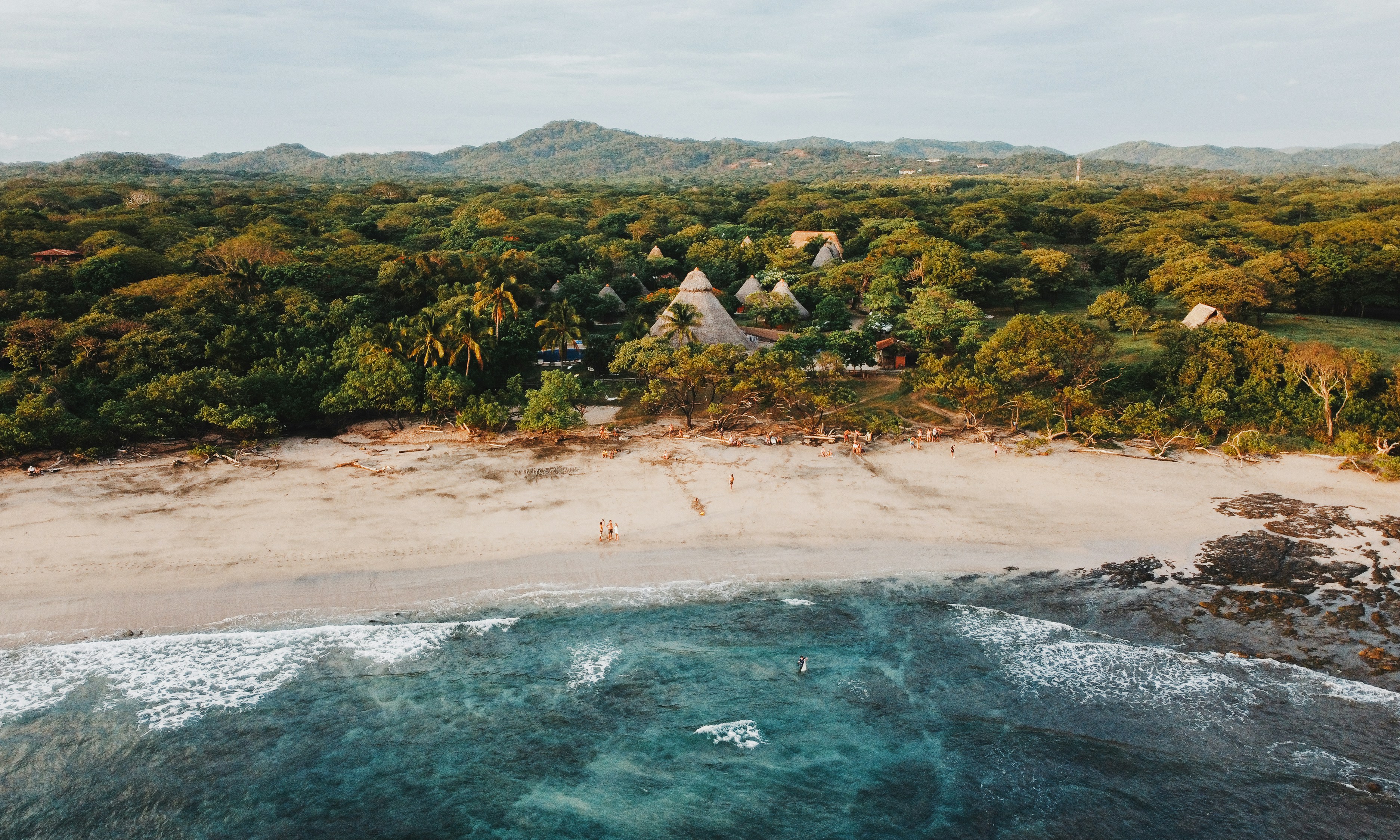
Costa Rica's national philosophy is “Pura Vida,” meaning “pure life.” This isn't marketing. It's genuinely how people live. Stress takes lower priority than connection and nature appreciation. Costa Ricans consciously chose to be happy rather than wealthy. The country abolished its military in 1949 to invest in education and health instead. This foundational choice shaped a completely different society.
How To Get There:
Fly into San Jose or Liberia. Domestic flights connect regions. Buses are cheap and reliable but slow, making them perfect for travel. Renting a car offers flexibility. Stay in eco-lodges and small towns rather than resort areas.
Visa And Entry:
Indian citizens get a 90-day tourist visa on arrival. No advance visa needed. Entry is designed to be welcoming.
What To Experience:
Spend time in national parks. Zip-line through rainforests. Explore cloud forests. Relax on Caribbean and Pacific beaches. Participate in local festivals. Eat traditional cuisine. Connect with locals who genuinely practice pura vida. Take Spanish lessons. Volunteer in communities. Costa Rica rewards extended stays where you actually absorb the philosophy rather than just observe it.
Also Read: 5 Visa-Free Countries For Indians Where January Is The Best Time To Travel
5. New Zealand: Nature As Daily Life
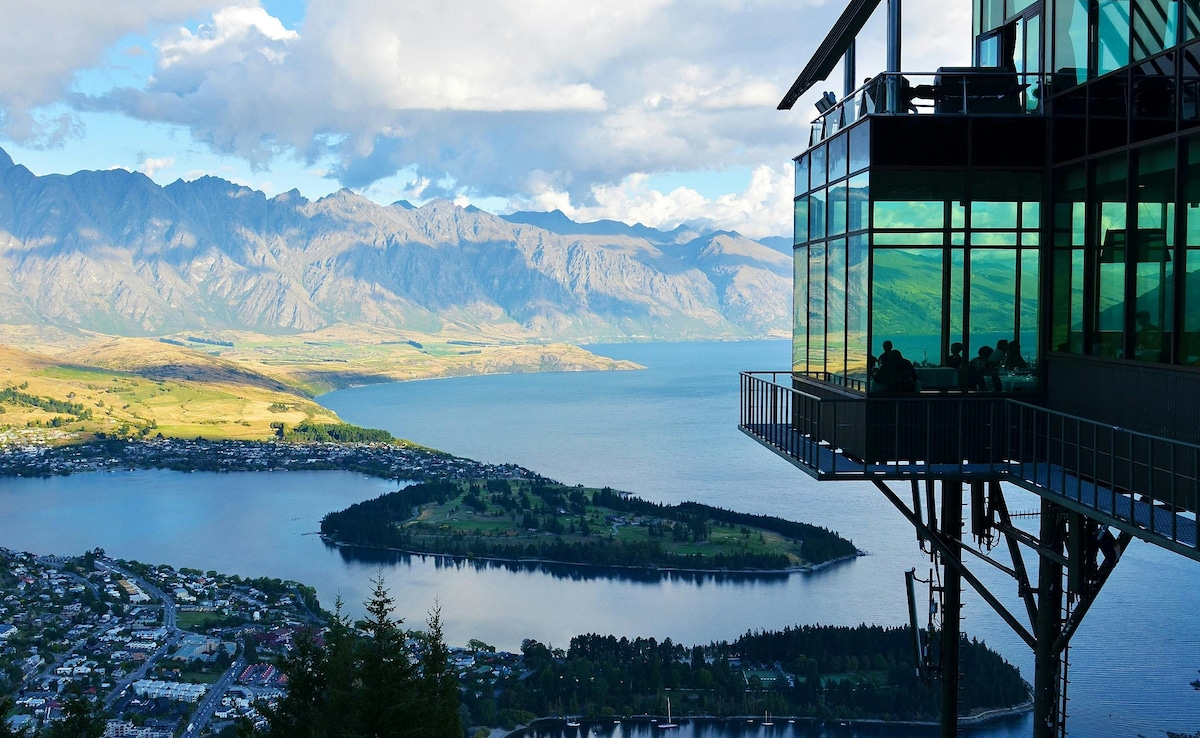
Photo Credit: Pexels
New Zealand's entire culture revolves around outdoor living and nature connection. Work-life balance is deeply respected. People genuinely prioritise time with family and nature over career advancement. The landscapes are so spectacular that presence becomes automatic. You can't rush through beauty of this magnitude.
How To Get There:
Fly into Auckland or Christchurch. Domestic flights connect regions, but driving is recommended for slow travel. Road trips through South Island are genuinely transformative. Stay 2-3 weeks minimum.
Visa And Entry:
Indian citizens can visit visa-free for up to 3 months. No advance documentation needed. This easy entry invites extended stays.
What To Experience:
Hike in national parks. Kayak on lakes and rivers. Sleep in remote cabins. Visit Māori communities and learn their culture. Experience passive adventure tourism. Stay on farms. Visit national parks. Simple outdoor activities are the point. New Zealand teaches that nature is the ultimate teacher of slowness.
6. Iceland: Tranquillity In Fire And Ice
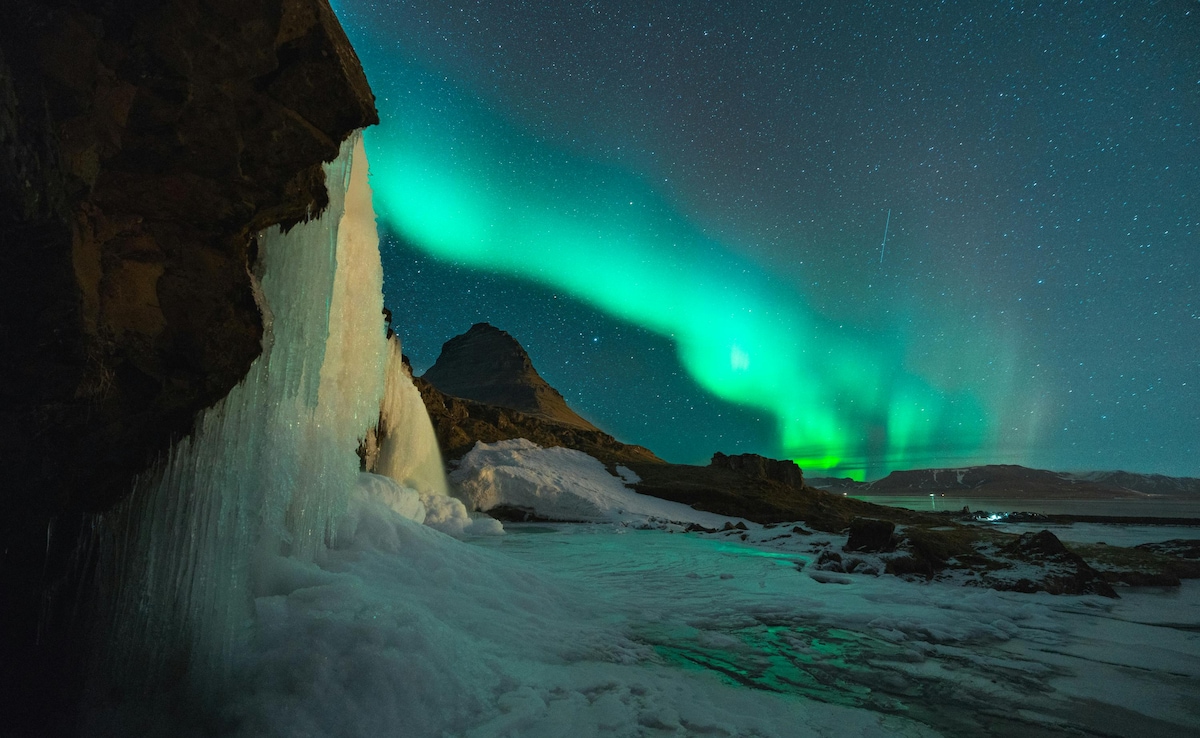
Photo Credit: Pexels
Iceland's dramatic landscapes command presence. You can't look at glaciers or geysers without stopping completely. The natural wonders are so immense that your concerns feel appropriately small. Summer offers midnight sun experiences. Winter offers Northern Lights. Both invite awe and presence.
How To Get There:
Fly into Reykjavik. Rent a car and drive the Ring Road. Stay in small towns. Golden Circle offers concentrated natural wonders. South Coast provides drama. North Iceland feels remote. Stay at least 2 weeks.
Visa And Entry:
Indian citizens can visit visa-free for up to 90 days. No advance visa needed. Entry is designed for easy access.
What To Experience:
Visit waterfalls, geysers, and natural hot springs. See Northern Lights in winter. Experience midnight sun in summer. Hike glaciers. Relax in geothermal pools. Stay in remote locations. Connect with Icelandic nature philosophy. Iceland teaches that vastness invites humility and presence.
7. Laos: Affordable Authenticity And River Rhythms
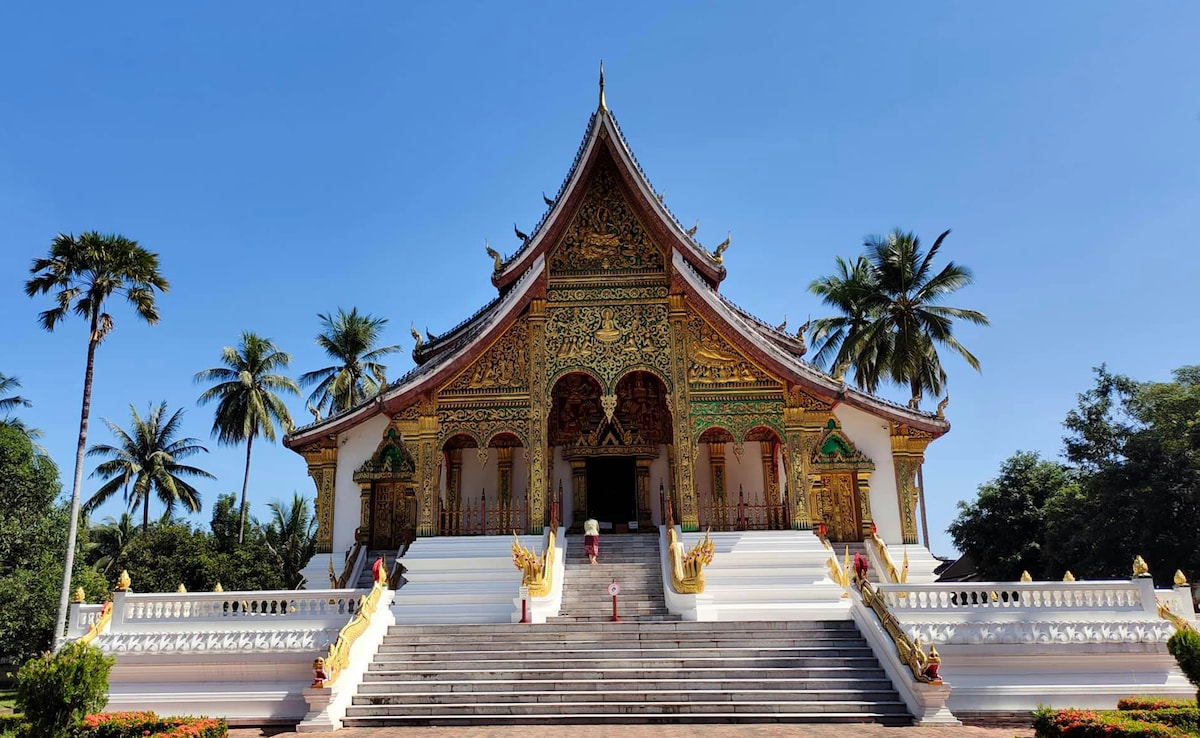
Photo Credit: Unsplash
Laos remains one of Asia's least developed countries, which paradoxically makes it perfect for slow travel. Tourism hasn't industrialised society. Daily life continues unchanged. The Mekong River's pace sets the rhythm. Life moves with water, not clocks. Laos feels genuinely untouched by modern speed.
How To Get There:
Fly into Vientiane or take buses from Thailand. Luang Prabang in the north is the slow travel capital. Mekong cruises connect towns. Stay river-side. Move slowly downstream.
Visa And Entry:
Indian citizens can get visas on arrival at the borders or airports. 30-day tourist visas cost 30-40 USD. Visas are easy and cheap.
What To Experience:
Watch morning alms ceremonies with Buddhist monks. Cruise the Mekong River. Visit temples. Relax by waterfalls. Sleep in traditional wooden houses converted to guesthouses. Eat street food. Participate in daily markets. Laos rewards complete presence. Nothing distracts. Modern technology feels unnecessary.
8. Greece: Island Life And Ancient Simplicity
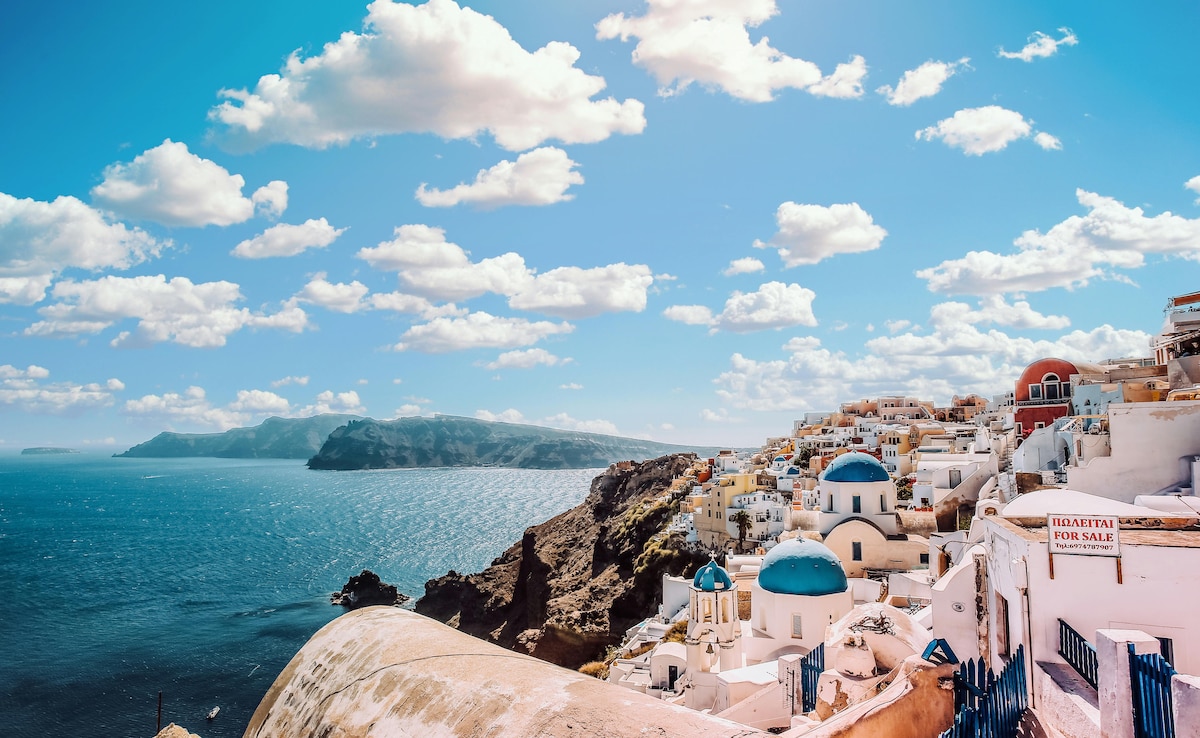
Photo Credit: Pexels
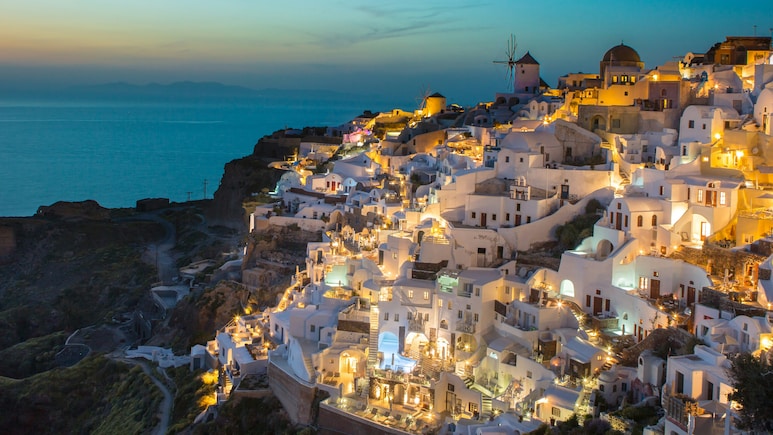
Greek islands like Crete, Paros, and Santorini embody Mediterranean slow living. Life happens outdoors. Meals stretch for hours with family and friends. Connection matters more than schedule. Ancient ruins serve as constant reminders that time is relative. Being on an island naturally limits pace.
How To Get There:
Fly into Athens. Ferries connect islands. Living island-hopping naturally creates slowness. Each island requires boat travel, which takes hours. This enforced slowness is the entire point.
Visa And Entry:
Indian citizens need Schengen visas for Greece, valid for EU travel. Process takes 2-3 weeks. Plan ahead.
What To Experience:
Swim in Mediterranean waters. Hike island trails. Attend local festivals. Eat fresh seafood with locals. Watch sunsets. Explore ancient temples. Learn Greek basics. Sleep in family-run guesthouses. Experience island rhythm where ferries determine schedules, not clocks. Greece teaches that simplicity and natural beauty are sufficient for contentment.
Also Read: Scotland vs Netherlands: Which Destination Matches Your Travel Style?
Final Thoughts
These eight countries offer something increasingly rare: spaces where modern speed hasn't completely colonised daily life. They teach through example that humans can thrive without constant rushing. They demonstrate that happiness doesn't require wealth accumulation or constant productivity. They remind us that presence has value. Visiting these countries isn't an escape. It's education. You're learning a different operating system for life. You're experiencing how societies function when they prioritise presence over productivity, connection over accumulation, and nature over convenience. These lessons stay with you long after you return home. You realise that the fast-paced life you rushed into isn't inevitable. It's a choice. These countries prove alternatives exist. That's genuinely transformative.
Track Latest News Live on NDTV.com and get news updates from India and around the world


