



Mass Extinction
-
{
- All
- News
- Web Stories
-

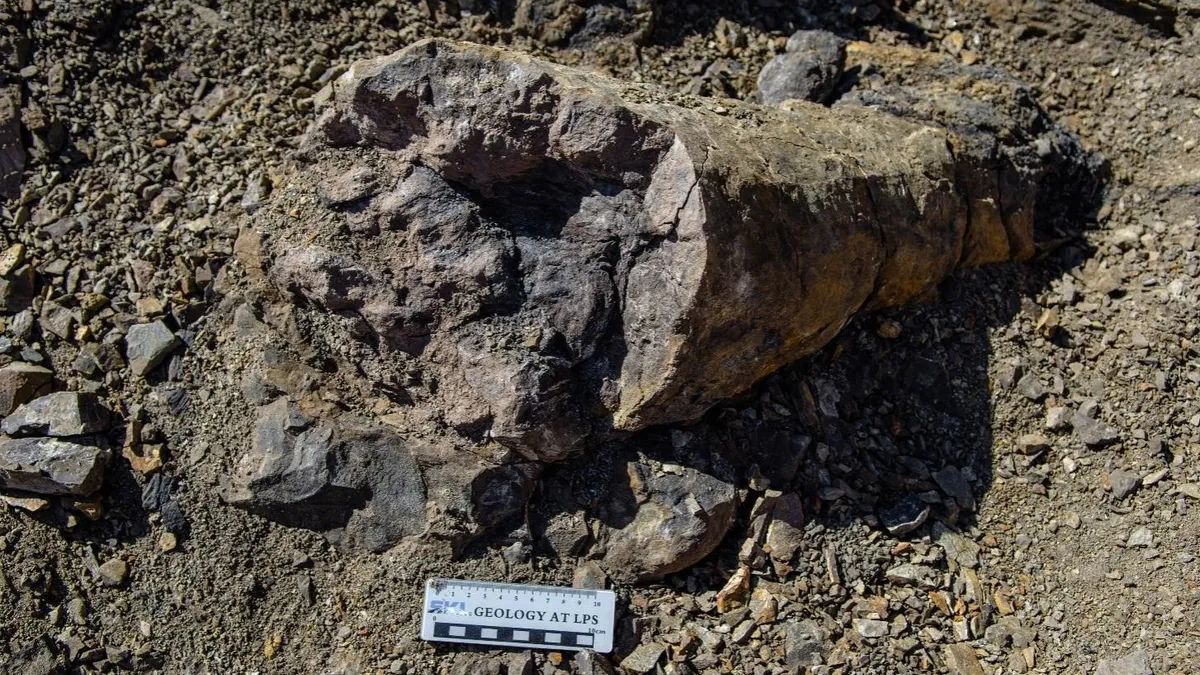
Scientists Identify The Rare Meteorite That Killed Dinosaurs 66 Million Years Ago
The international team reached the conclusion after analysing nickel isotopes preserved in a thin layer of clay left behind by the Cretaceous-Paleogene impact.
-
Scientists Reveal A Surprising Mathematical Pattern Hidden In Earth's History
These insights have important implications for understanding Earth's geological past and improving predictions of future planetary changes.
-
What Kept Earth Boiling After The Great Dying? Scientists Reveal Mystery
The catastrophic event, which occurred 252 million years ago, wiped out nearly 90 per cent of all life on Earth, both on land and in the oceans.
-
Dinosaurs Weren’t Doomed Before the Asteroid Hit, New Research Suggests
A new study reveals dinosaurs were thriving before the asteroid impact, not declining as once believed.
-
Fossil Evidence Shows Plants Survived the End-Permian Mass Extinction in China
Fossils discovered in China indicate that the End-Permian mass extinction, which wiped out 80% of life on Earth, may not have been as devastating for plants as previously thought. Researchers found evidence of gymnosperm forests and ferns in rock layers from this period, suggesting that some ecosystems remained intact. This discovery challenges ass...
-
Future Supercontinent Pangea Ultima Could Trigger Mass Extinction, Reveals New Study
A University of Bristol study warns that Earth’s future supercontinent, Pangea Ultima, may make the planet uninhabitable for humans and mammals. Due to a combination of rising CO₂ levels, increased solar radiation, and vast land area far from oceanic cooling, the supercontinent could experience widespread extreme temperatures. Though millions o...
-
Study Of 70,000 Species Renews Fear Of Sixth Mass Extinction Event
While mammals, birds and insects are seeing a decline in numbers, amphibians are particularly badly affected overall.
-
First Mass Extinction Of Animals Took Place 550 Million Years Ago: Study
Scott Evans, a postdoctoral researcher at Virginia Tech College of Science, compiled data on rare Ediacaran-era fossils of squishier animals from around the world.
-
Bigger Temperature Changes Linked to Larger Extinction Events, Japanese Researcher Claims
Research by a professor emeritus in Japan has revealed that mass extinctions increase in proportion to climate change. The evidence revealed by the study shows a high correlation between the size of mass extinctions and historical fluctuations in the Earth's temperature.
-
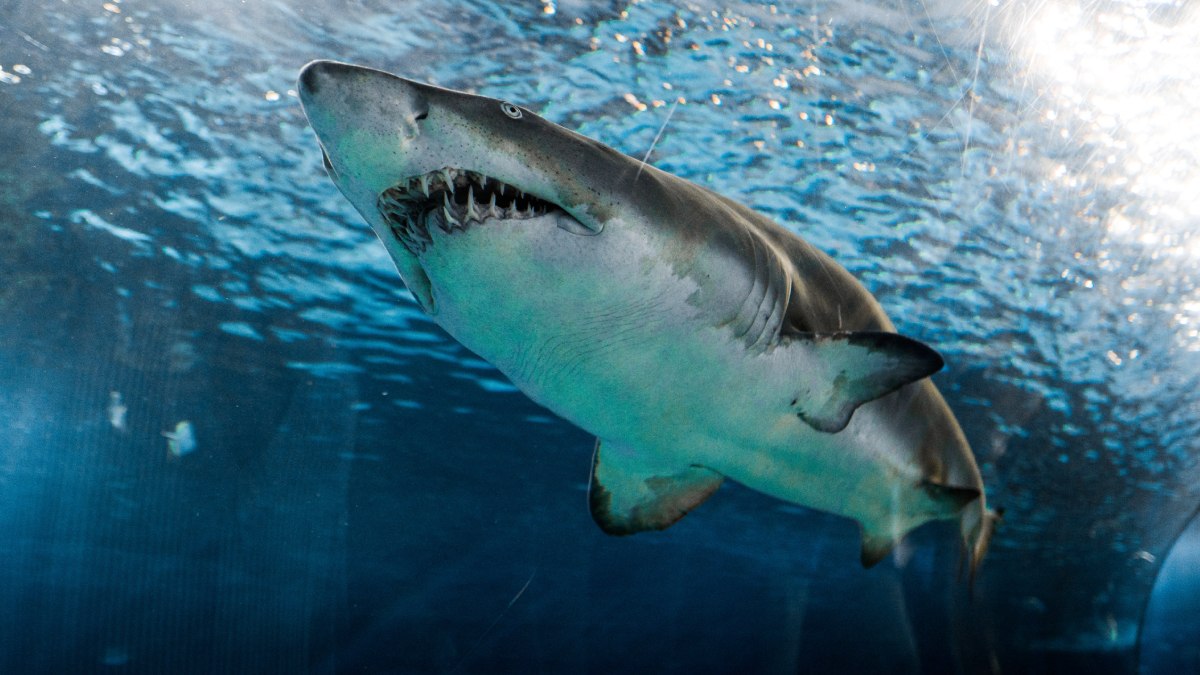
Sharks' Diversity Remained Static When End-Cretaceous Mass Extinction Wiped Out Dinosaurs: Study
Researchers say that the survival and evolution of sharks through multiple mass extinctions received little analytical attention. A new study has now attempted to shed some light on their evolution during the catastrophic event. The researchers studied the morphology of 1,239 fossil shark teeth to see how their diversity was affected during the mas...
-
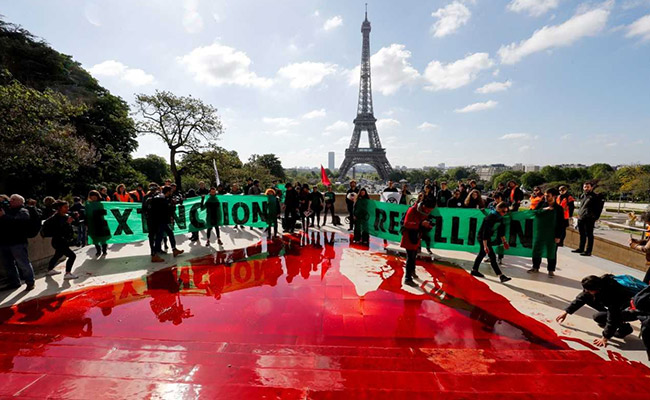
Crowd Gathered To Protest Against Mass Extinction, Then The Streets Went Red
Environmental protesters spilled fake blood Sunday on the steps of the Trocadero, a Paris tourist landmark, in a stunt to highlight the accelerated loss of biodiversity on Earth, AFP journalists reported.
-
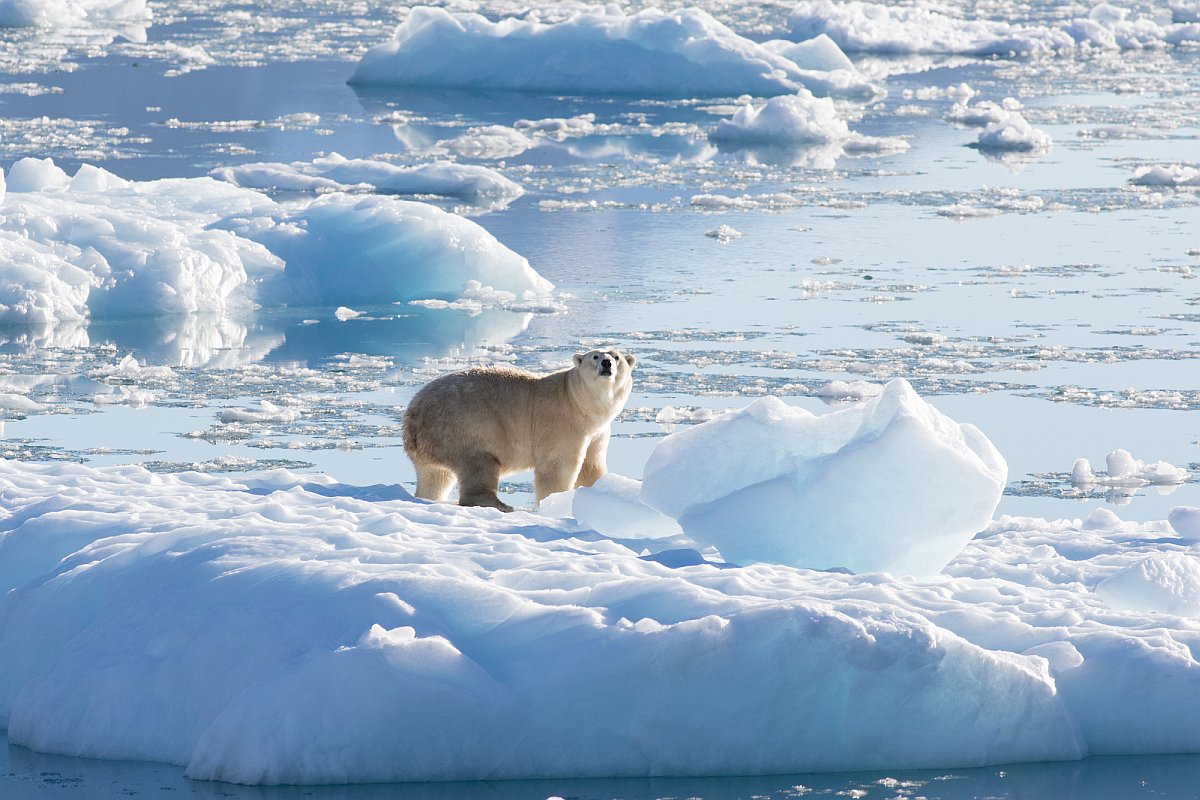
Earth Is On Its Way To The Biggest Mass Extinction Since The Dinosaurs, Scientists Warn
Have humans damaged the Earth's ecosystems so severely that we're well on our way to the biggest mass extinction since the dinosaurs vanished 66 million years ago? And are we running out of time to reverse the negative impacts of our actions?
-
'Annihilation' Of Earth's Species Underway: Study
The sixth mass extinction of life on Earth is unfolding more quickly than feared, and amounts to a "biological annihilation" of the planet's wildlife, scientists have warned.
-
At 11 Tonight, The Dinosaurs Arrived. Look What We Did
So for one hour tonight, at 8.30, people are asked to turn off their lights. It's Earth Hour, and in the last ten years, this initiative by the WWF is perhaps the world's largest environment event encompassing 7,000 towns and cities and millions of people. The initiative was started as an awareness campaign on climate change. While that is still th...
-
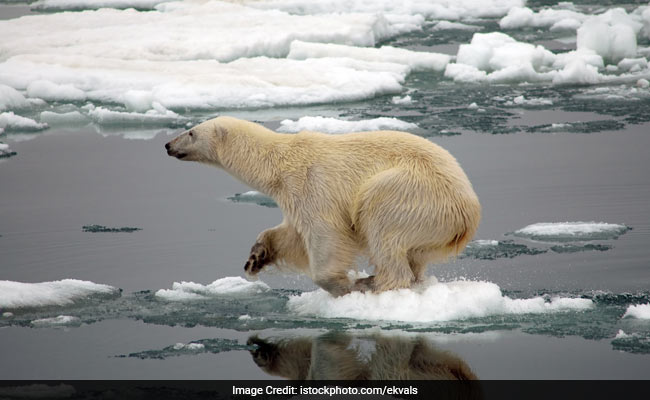
Extinction Alert: World To Lose Two-Thirds Of Wildlife By 2020
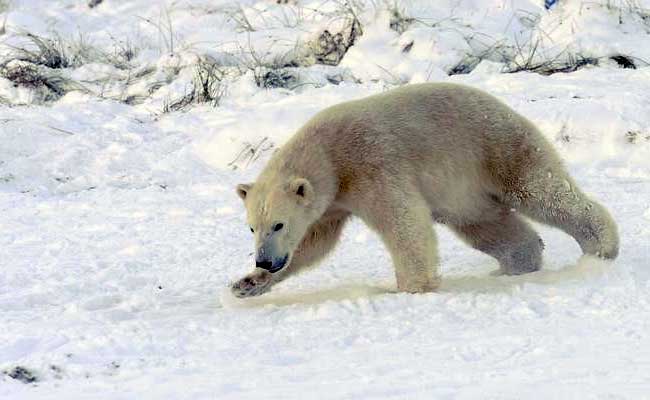
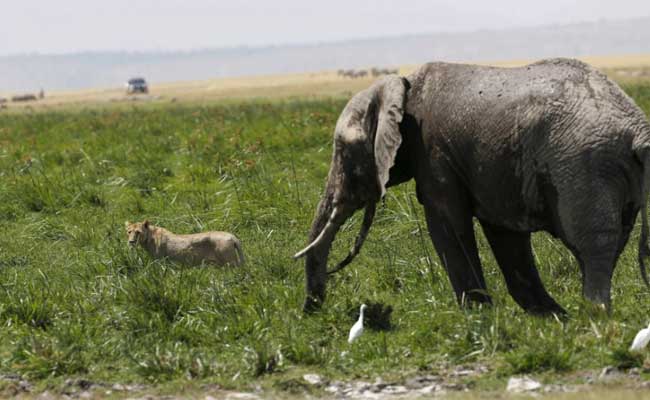
Worldwide populations of mammals, birds, fish, amphibians and reptiles have plunged by almost 60 per cent since 1970 as human activities overwhelm the environment, the WWF conservation group said on Thursday.


-
Scientists Identify The Rare Meteorite That Killed Dinosaurs 66 Million Years Ago
The international team reached the conclusion after analysing nickel isotopes preserved in a thin layer of clay left behind by the Cretaceous-Paleogene impact.
-
Scientists Reveal A Surprising Mathematical Pattern Hidden In Earth's History
These insights have important implications for understanding Earth's geological past and improving predictions of future planetary changes.
-
What Kept Earth Boiling After The Great Dying? Scientists Reveal Mystery
The catastrophic event, which occurred 252 million years ago, wiped out nearly 90 per cent of all life on Earth, both on land and in the oceans.
-
Dinosaurs Weren’t Doomed Before the Asteroid Hit, New Research Suggests
A new study reveals dinosaurs were thriving before the asteroid impact, not declining as once believed.
-
Fossil Evidence Shows Plants Survived the End-Permian Mass Extinction in China
Fossils discovered in China indicate that the End-Permian mass extinction, which wiped out 80% of life on Earth, may not have been as devastating for plants as previously thought. Researchers found evidence of gymnosperm forests and ferns in rock layers from this period, suggesting that some ecosystems remained intact. This discovery challenges ass...
-
Future Supercontinent Pangea Ultima Could Trigger Mass Extinction, Reveals New Study
A University of Bristol study warns that Earth’s future supercontinent, Pangea Ultima, may make the planet uninhabitable for humans and mammals. Due to a combination of rising CO₂ levels, increased solar radiation, and vast land area far from oceanic cooling, the supercontinent could experience widespread extreme temperatures. Though millions o...
-
Study Of 70,000 Species Renews Fear Of Sixth Mass Extinction Event
While mammals, birds and insects are seeing a decline in numbers, amphibians are particularly badly affected overall.
-
First Mass Extinction Of Animals Took Place 550 Million Years Ago: Study
Scott Evans, a postdoctoral researcher at Virginia Tech College of Science, compiled data on rare Ediacaran-era fossils of squishier animals from around the world.
-
Bigger Temperature Changes Linked to Larger Extinction Events, Japanese Researcher Claims
Research by a professor emeritus in Japan has revealed that mass extinctions increase in proportion to climate change. The evidence revealed by the study shows a high correlation between the size of mass extinctions and historical fluctuations in the Earth's temperature.
-
Sharks' Diversity Remained Static When End-Cretaceous Mass Extinction Wiped Out Dinosaurs: Study
Researchers say that the survival and evolution of sharks through multiple mass extinctions received little analytical attention. A new study has now attempted to shed some light on their evolution during the catastrophic event. The researchers studied the morphology of 1,239 fossil shark teeth to see how their diversity was affected during the mas...
-
Crowd Gathered To Protest Against Mass Extinction, Then The Streets Went Red
Environmental protesters spilled fake blood Sunday on the steps of the Trocadero, a Paris tourist landmark, in a stunt to highlight the accelerated loss of biodiversity on Earth, AFP journalists reported.
-
Earth Is On Its Way To The Biggest Mass Extinction Since The Dinosaurs, Scientists Warn
Have humans damaged the Earth's ecosystems so severely that we're well on our way to the biggest mass extinction since the dinosaurs vanished 66 million years ago? And are we running out of time to reverse the negative impacts of our actions?
-
'Annihilation' Of Earth's Species Underway: Study
The sixth mass extinction of life on Earth is unfolding more quickly than feared, and amounts to a "biological annihilation" of the planet's wildlife, scientists have warned.
-
At 11 Tonight, The Dinosaurs Arrived. Look What We Did
So for one hour tonight, at 8.30, people are asked to turn off their lights. It's Earth Hour, and in the last ten years, this initiative by the WWF is perhaps the world's largest environment event encompassing 7,000 towns and cities and millions of people. The initiative was started as an awareness campaign on climate change. While that is still th...
-
Extinction Alert: World To Lose Two-Thirds Of Wildlife By 2020
Worldwide populations of mammals, birds, fish, amphibians and reptiles have plunged by almost 60 per cent since 1970 as human activities overwhelm the environment, the WWF conservation group said on Thursday.

