



Earth Sciences
- All
- News
- Videos
-

ISS Crew Prepares to Send Japan’s HTV-X1 Cargo Spacecraft Back to Earth After Four Months
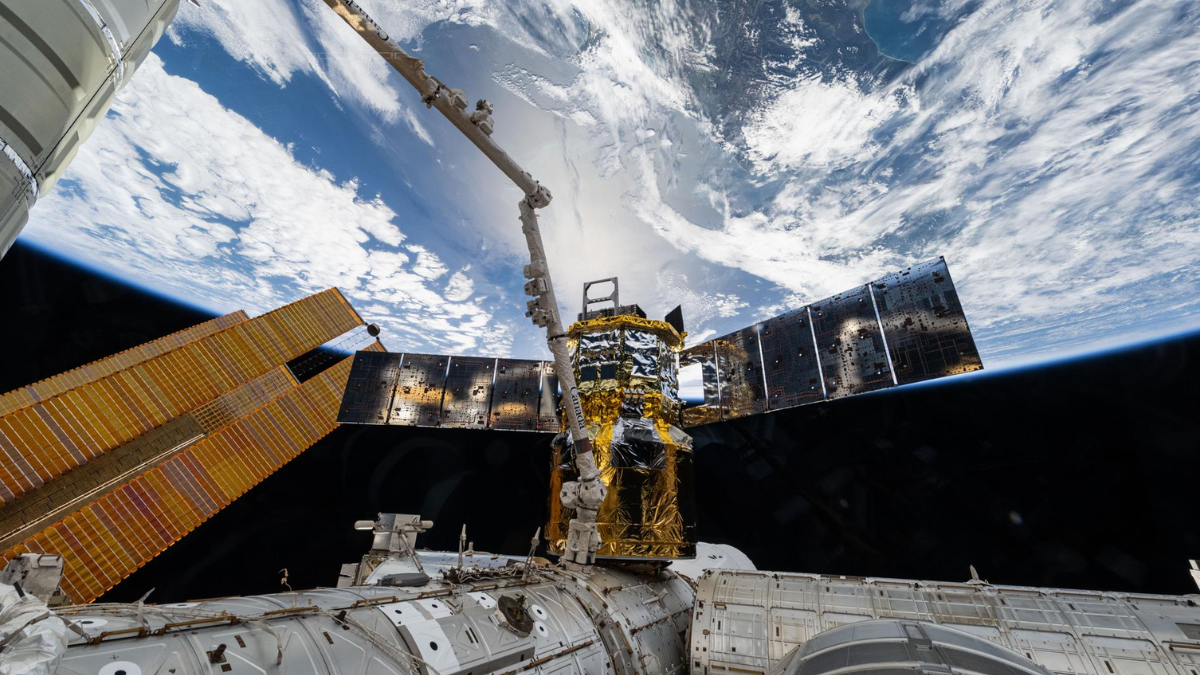
The Expedition 74 crew aboard the International Space Station is preparing to release Japan’s HTV-X1 cargo spacecraft after four months docked. Using Canadarm2, the vehicle will detach, conduct additional experiments in orbit, and later deorbit, while astronauts continue biology and AI research onboard.
-
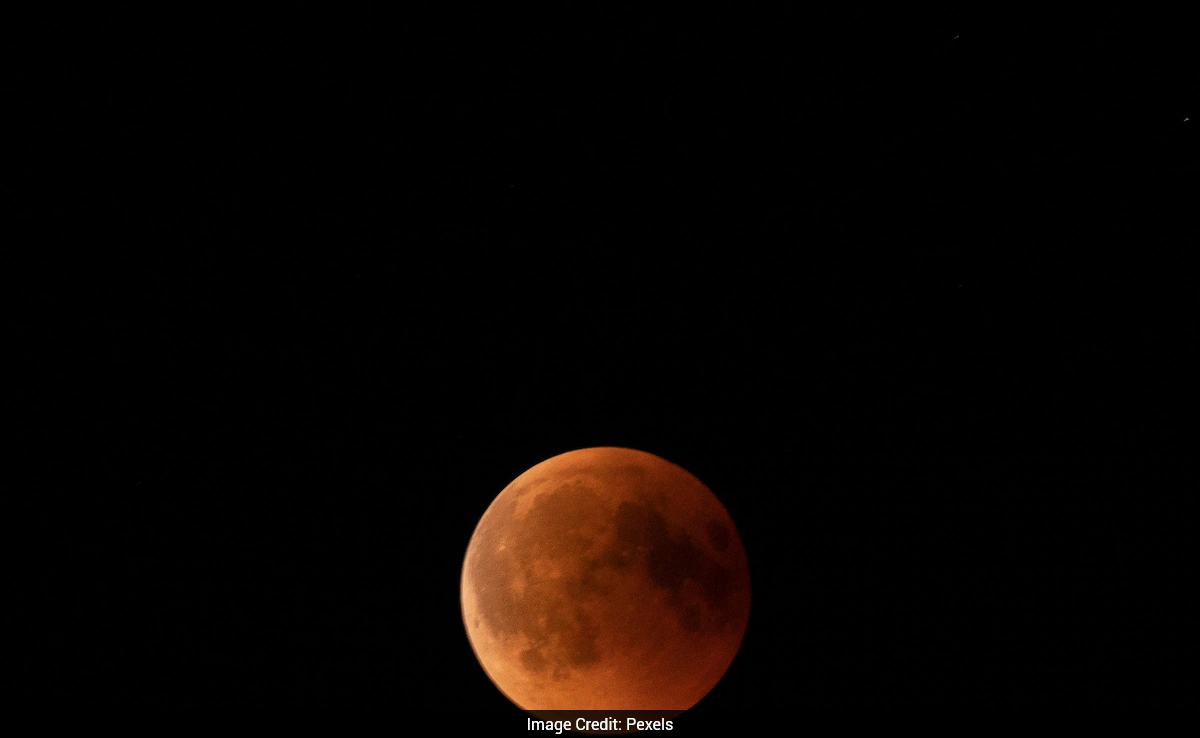
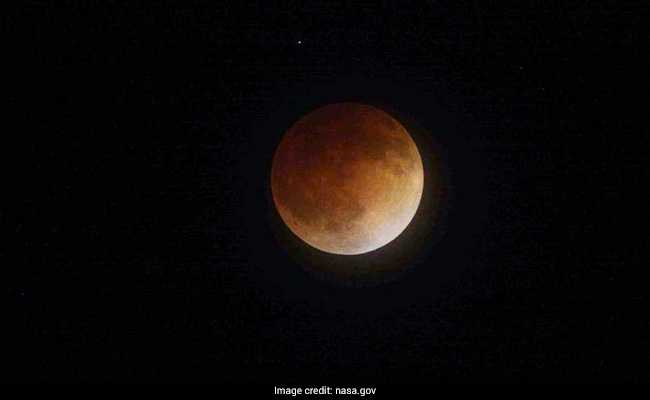
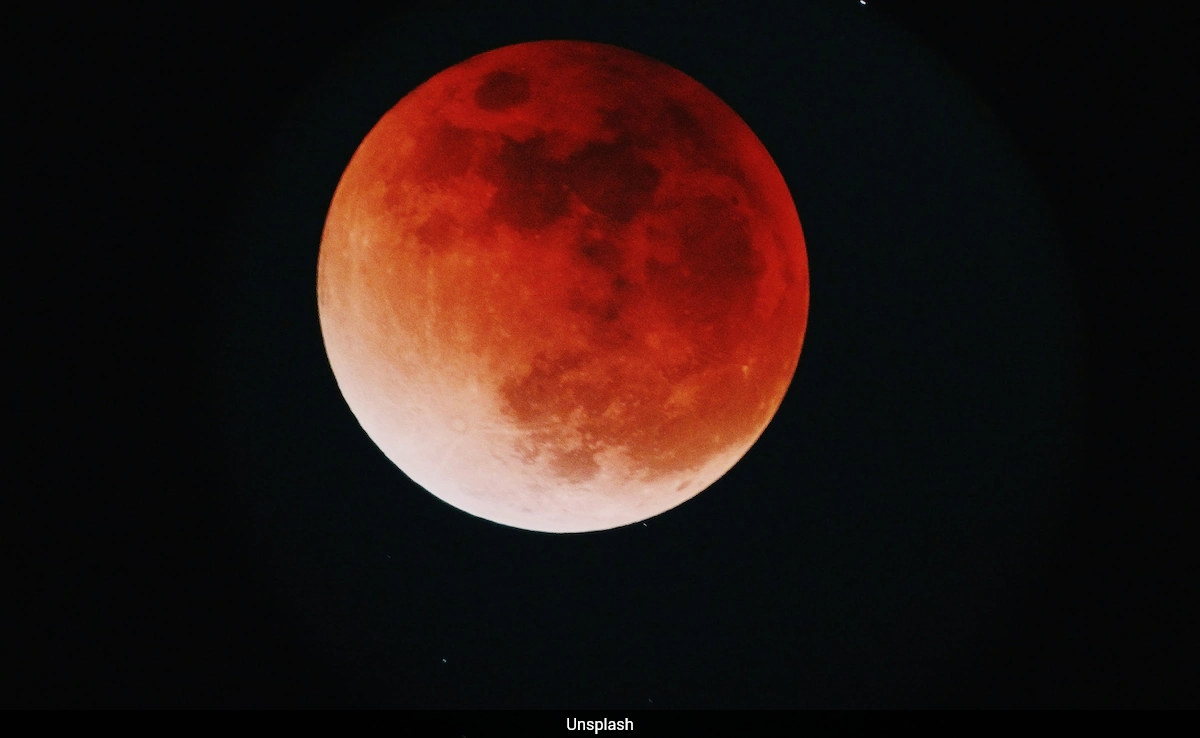
Viral Claims Link Lunar Eclipse To Conflict - Here's What Science Says
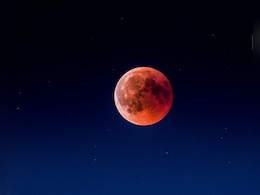
According to NASA, solar and lunar eclipses can be calculated centuries in advance using precise celestial mechanics. There is no known physical mechanism by which these alignments could influence political decisions or military conflict.
-
NASA’s Carruthers Observatory Begins Mission to Study Earth’s Hydrogen Halo
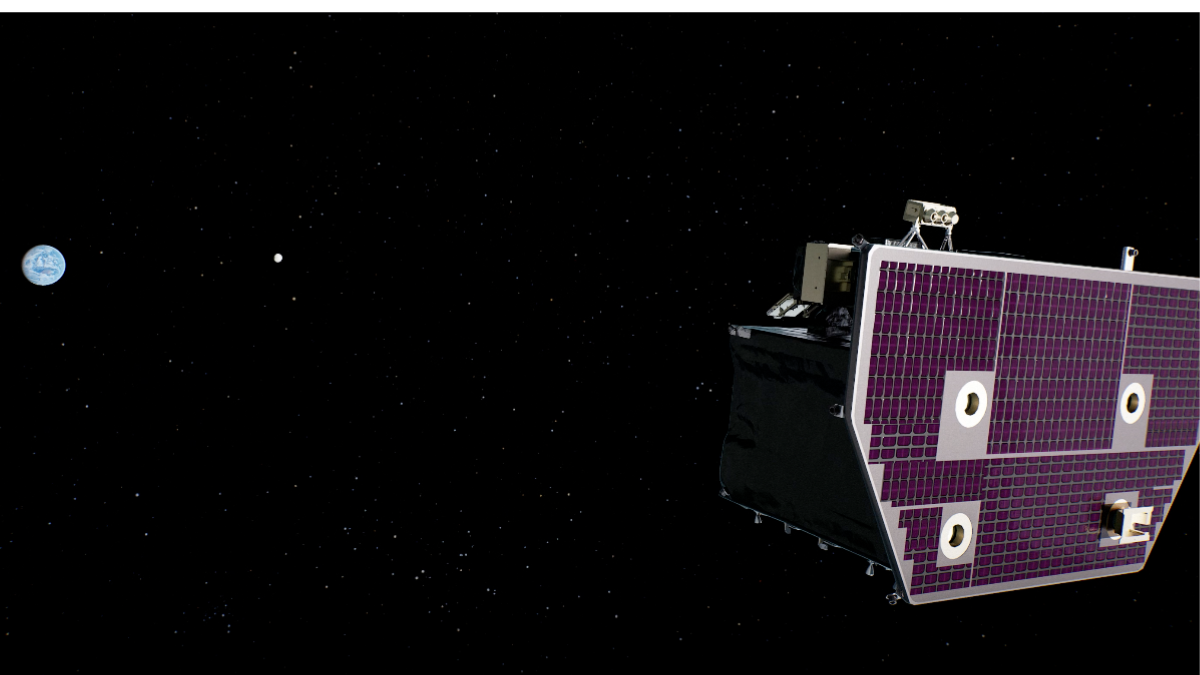
NASA’s Carruthers Observatory has begun its two-year science mission to study Earth’s hydrogen-rich exosphere from a halo orbit at Sun–Earth L1. Equipped with ultraviolet cameras, the small satellite will continuously image the faint geocorona, tracking how solar storms and fast solar wind streams cause the upper atmosphere to expand, contrac...
-
What Happens If Moon Disappears? Scientists Say Earth's Closest Neighbour Is Slowly Shrinking
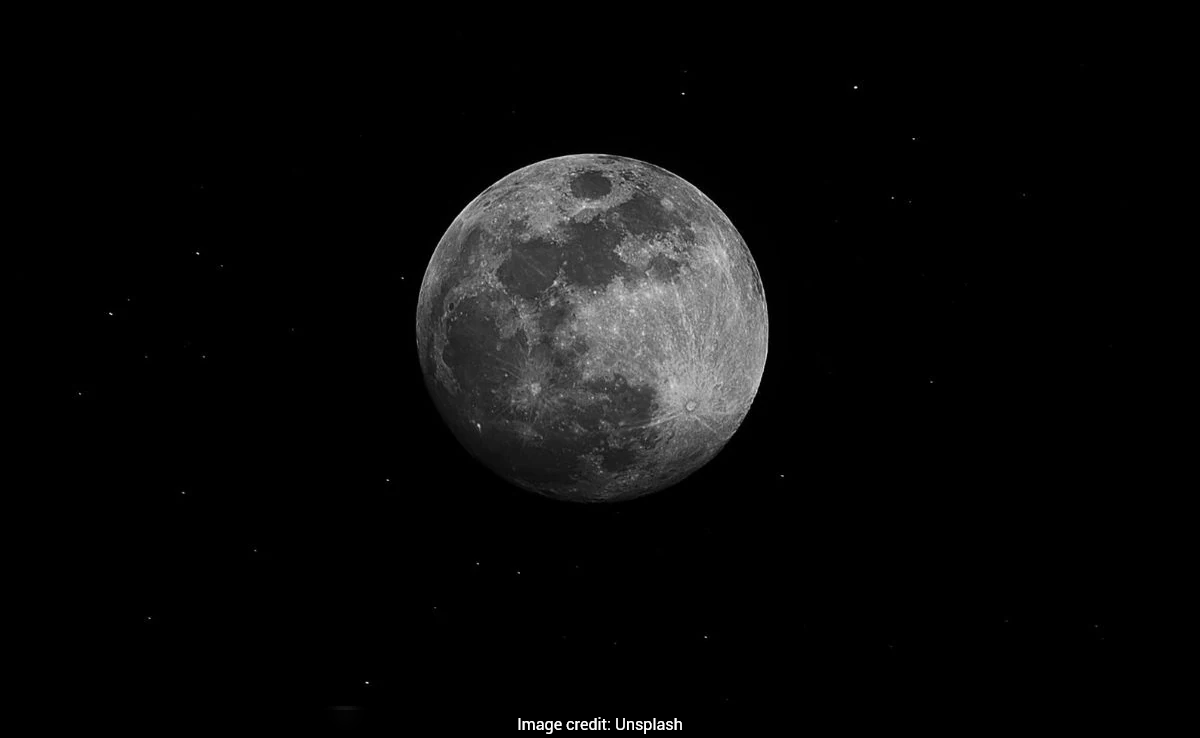
Without the Moon, researchers say Earth could experience far more extreme climate shifts, unstable seasons and dramatically weaker tides - fundamentally altering life on the planet.
-
Total Lunar Eclipse On March 3: Check Timings And Where It Can Be Seen In India
On the evening of March 3, 2026, astronomy enthusiasts across the country will have the opportunity to witness the final moments of this profound total lunar eclipse.
-
Last Total Lunar Eclipse Until 2029 Is Coming Tomorrow
On Tuesday March 3, the Moon will pass directly through Earth's shadow, creating a total lunar eclipse. Best of all, Australia and Aotearoa New Zealand are in a prime position to watch the show.
-
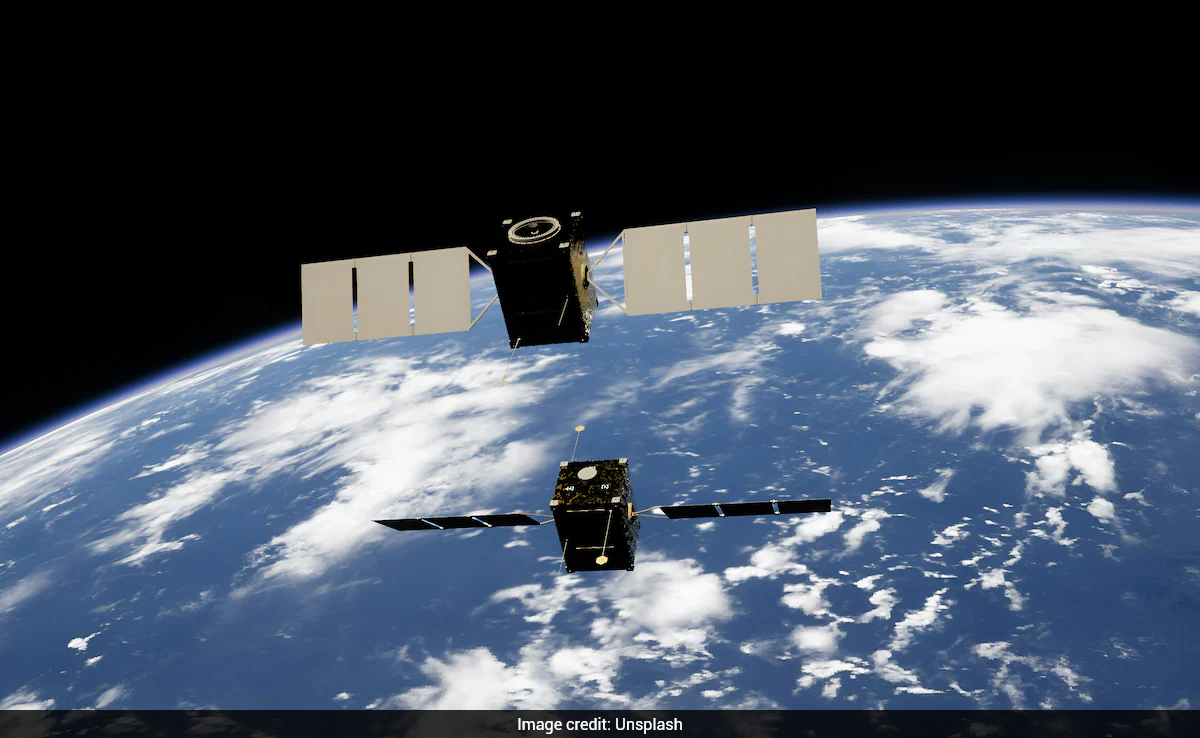
Experts Reveal How Our Atmosphere Is Becoming "Crematorium For Satellites"
The increasing number of satellites and space debris raises the risk of collisions.
-
NASA’s ESCAPADE Mission to Study Space Weather Between Earth and Mars
NASA’s ESCAPADE mission will send two identical orbiters to Mars to study how solar wind and space weather strip away the planet’s atmosphere. Launching in 2025 and arriving in 2027, the twin spacecraft will measure solar wind conditions and Mars’s atmospheric response simultaneously, helping scientists understand how the Red Planet lost its ...
-
Blood Moon To Light Up Skies On March 3: Here's Where You Can Watch It
The spectacular "blood moon" will be best viewed from western North America, Australia and the Pacific region, and is completely safe to watch without special equipment.
-
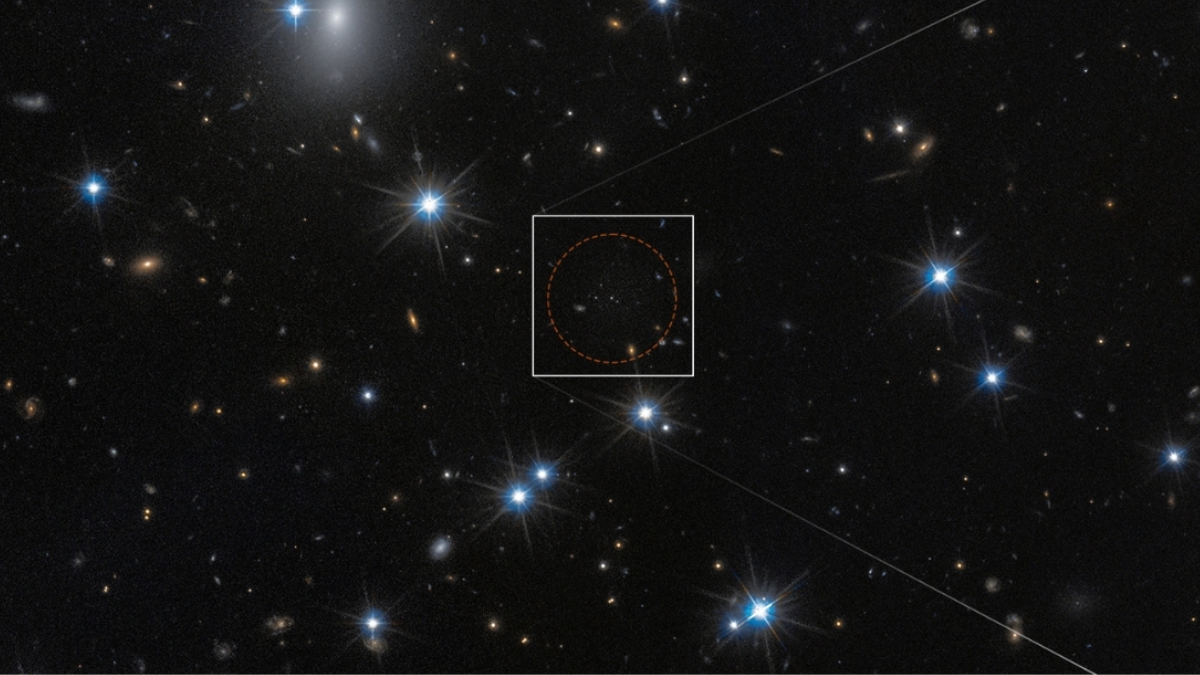
Astronomers Find ‘Impossible’ Galaxy ACDG-2 With Virtually No Stars and a Massive Dark Matter Core
Astronomers have identified CDG-2, a faint galaxy in the Perseus cluster that appears to be composed almost entirely of dark matter. Located 300 million light-years from Earth, it was discovered by tracking globular star clusters using data from Hubble, Euclid, and Subaru telescopes. Scientists estimate that about 99% of its total mass is dark matt...







-
ISS Crew Prepares to Send Japan’s HTV-X1 Cargo Spacecraft Back to Earth After Four Months
The Expedition 74 crew aboard the International Space Station is preparing to release Japan’s HTV-X1 cargo spacecraft after four months docked. Using Canadarm2, the vehicle will detach, conduct additional experiments in orbit, and later deorbit, while astronauts continue biology and AI research onboard.
-
Viral Claims Link Lunar Eclipse To Conflict - Here's What Science Says
According to NASA, solar and lunar eclipses can be calculated centuries in advance using precise celestial mechanics. There is no known physical mechanism by which these alignments could influence political decisions or military conflict.
-
NASA’s Carruthers Observatory Begins Mission to Study Earth’s Hydrogen Halo
NASA’s Carruthers Observatory has begun its two-year science mission to study Earth’s hydrogen-rich exosphere from a halo orbit at Sun–Earth L1. Equipped with ultraviolet cameras, the small satellite will continuously image the faint geocorona, tracking how solar storms and fast solar wind streams cause the upper atmosphere to expand, contrac...
-
What Happens If Moon Disappears? Scientists Say Earth's Closest Neighbour Is Slowly Shrinking
Without the Moon, researchers say Earth could experience far more extreme climate shifts, unstable seasons and dramatically weaker tides - fundamentally altering life on the planet.
-
Total Lunar Eclipse On March 3: Check Timings And Where It Can Be Seen In India
On the evening of March 3, 2026, astronomy enthusiasts across the country will have the opportunity to witness the final moments of this profound total lunar eclipse.
-
Last Total Lunar Eclipse Until 2029 Is Coming Tomorrow
On Tuesday March 3, the Moon will pass directly through Earth's shadow, creating a total lunar eclipse. Best of all, Australia and Aotearoa New Zealand are in a prime position to watch the show.
-
Experts Reveal How Our Atmosphere Is Becoming "Crematorium For Satellites"
The increasing number of satellites and space debris raises the risk of collisions.
-
NASA’s ESCAPADE Mission to Study Space Weather Between Earth and Mars
NASA’s ESCAPADE mission will send two identical orbiters to Mars to study how solar wind and space weather strip away the planet’s atmosphere. Launching in 2025 and arriving in 2027, the twin spacecraft will measure solar wind conditions and Mars’s atmospheric response simultaneously, helping scientists understand how the Red Planet lost its ...
-
Blood Moon To Light Up Skies On March 3: Here's Where You Can Watch It
The spectacular "blood moon" will be best viewed from western North America, Australia and the Pacific region, and is completely safe to watch without special equipment.
-
Astronomers Find ‘Impossible’ Galaxy ACDG-2 With Virtually No Stars and a Massive Dark Matter Core
Astronomers have identified CDG-2, a faint galaxy in the Perseus cluster that appears to be composed almost entirely of dark matter. Located 300 million light-years from Earth, it was discovered by tracking globular star clusters using data from Hubble, Euclid, and Subaru telescopes. Scientists estimate that about 99% of its total mass is dark matt...

