





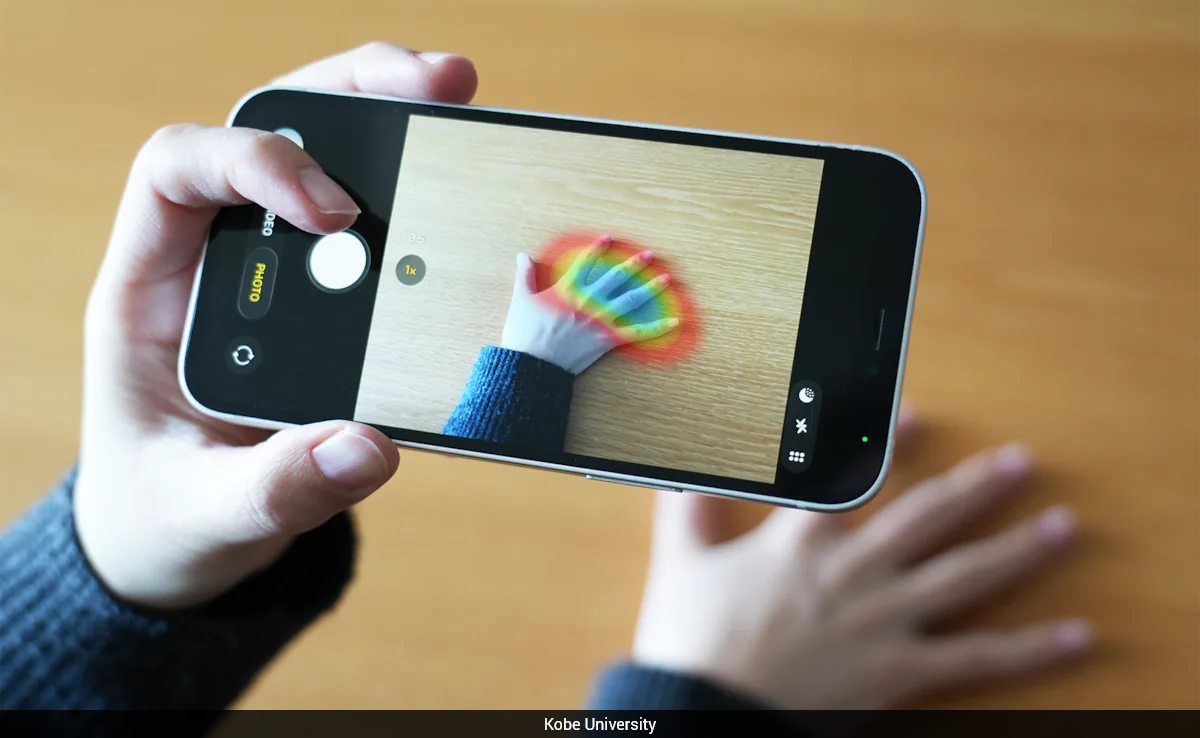
A simple photograph of the back of a person's hand could help doctors detect a rare but serious hormone disorder, according to a new study by researchers at Kobe University.
The condition, known as Acromegaly, occurs when the body produces too much growth hormone. The disease often develops in middle age and can cause enlarged hands and feet. If left untreated, it can lead to serious health complications and reduce life expectancy by around 10 years.
Researchers say the illness is difficult to diagnose because it progresses slowly. Many patients wait years before receiving the correct diagnosis.
"Because the condition progresses so slowly, and because it is a rare disease, it is not uncommon to take up to a decade for it to be diagnosed," says Kobe University endocrinologist FUKUOKA Hidenori. He further explains, "With the progress of AI tools, there have been attempts to use photographs for early detection, but they have not been adopted in clinical practice."
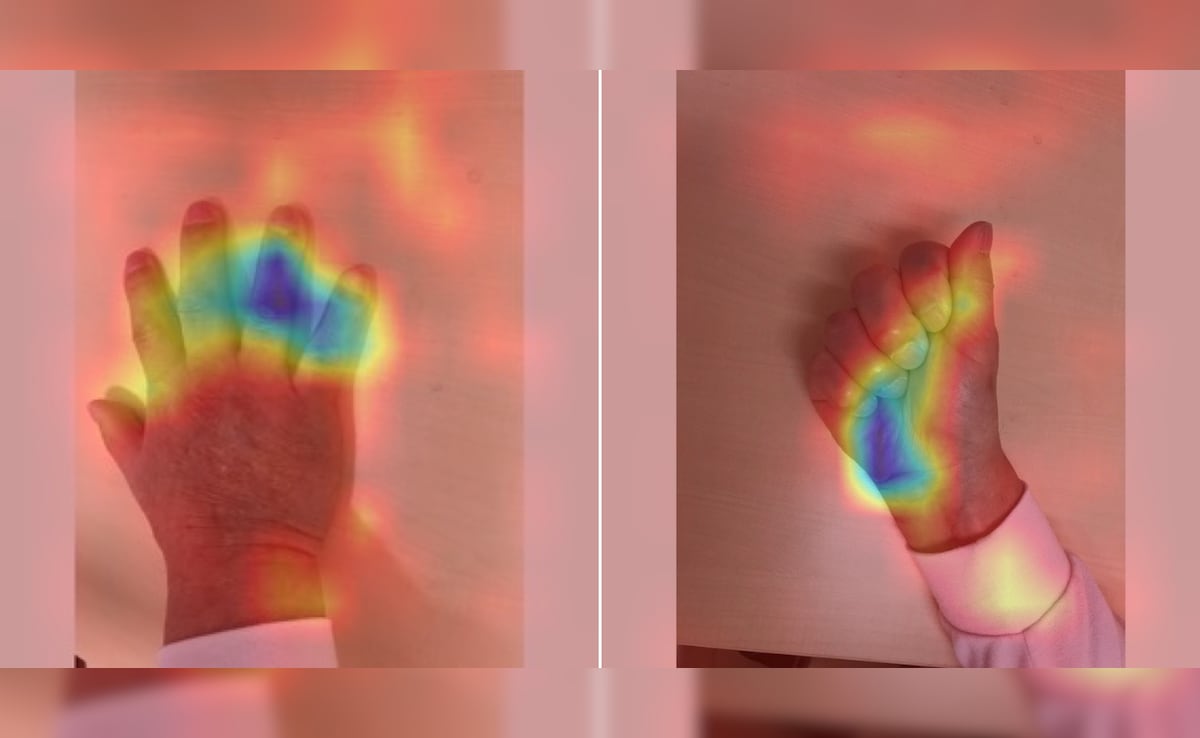
The Kobe University team used images only of the back of the hand and the clenched fist, avoiding the more individual palm line patterns.
Photo Credit: Kobe University
To explore a faster way to detect the disorder, researchers used artificial intelligence to analyse photos of the back of people's hands. Unlike facial images, hand photos raise fewer privacy concerns.
The research team studied 725 participants from 15 medical centres across Japan. About half of them had acromegaly. More than 11,000 images of their hands were used to train and test an AI model.
The photographs focused on the back of the hand and a clenched fist, with the palm hidden.
The AI system was able to identify patients with acromegaly with a positive predictive value of 0.88 and a negative predictive value of 0.93. In simple terms, when the system predicted that a person had the disorder, it was correct about 88 percent of the time.
Researchers said the AI model even performed better than experienced endocrinologists when analysing the same images.
Lead author Yuka Ohmachi said she was surprised by how accurate the system was using only hand images.
Acromegaly affects about 8 to 24 people out of every 100,000 individuals. Common symptoms include swelling of the hands and feet, headaches and gradual changes to facial features.
However, researchers stressed that the AI tool would not replace doctors. Specialists still rely on other signs such as voice changes, facial expressions, medical history and hormone tests to confirm the diagnosis.
The study, published in The Journal of Clinical Endocrinology & Metabolism, suggests the technology could help doctors identify potential cases earlier. Researchers also hope similar AI systems could one day help detect other conditions visible in the hands, including rheumatoid arthritis, anaemia and finger clubbing.
Track Latest News Live on NDTV.com and get news updates from India and around the world

