





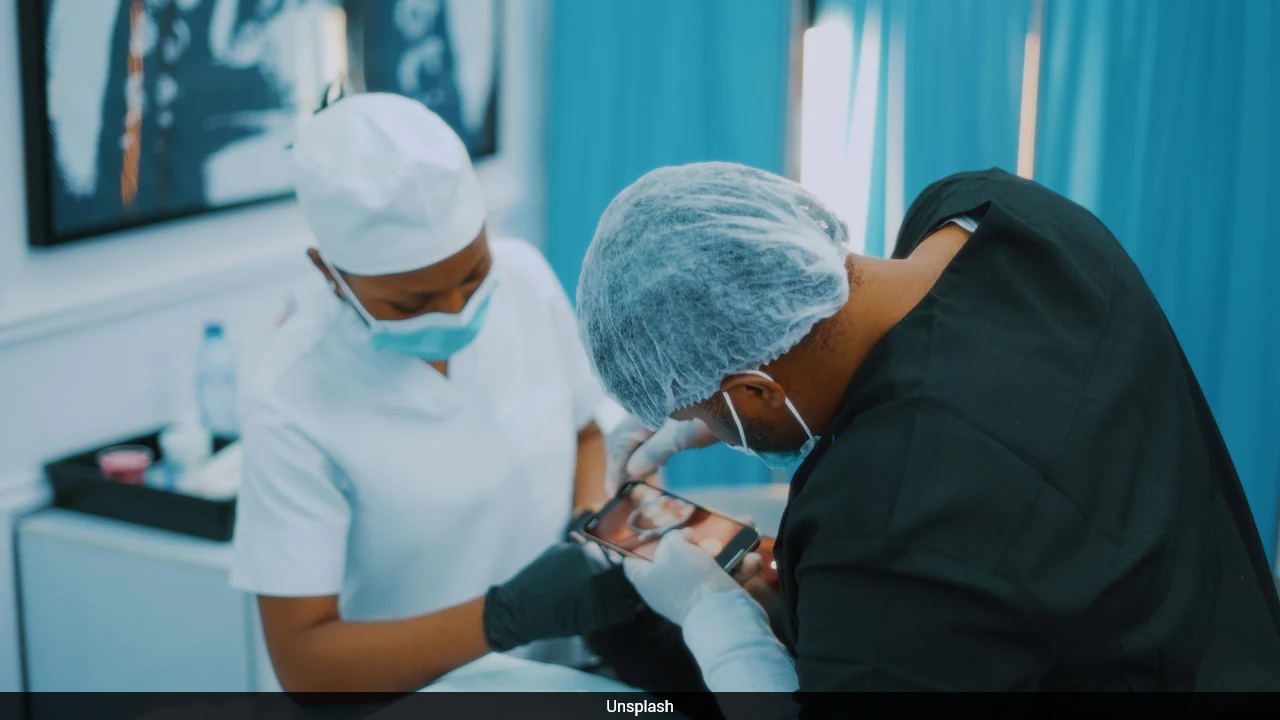
Researchers led by Queen Mary University of London have developed a simple brush biopsy test that can detect oral cancer within one hour, offering a faster and less invasive alternative to the painful scalpel biopsies currently used for diagnosis.
The findings, published in the journal Biomarker Research, suggest the new test could prevent more than 90 per cent of unnecessary scalpel biopsies in patients with low risk mouth lesions.
The study involved more than 1,000 samples collected from 545 patients, making it the largest research of its kind. Scientists adapted an earlier molecular test into a new version called qMIDS V3, which uses a soft brush to collect cells from the mouth instead of removing tissue with a scalpel. The results are available in about one hour.
According to the researchers, early diagnosis is vital because survival rates improve significantly when oral cancer is detected at an early stage. However, many patients with suspicious mouth lesions undergo invasive biopsies even though most of those lesions turn out to be non cancerous.
Lead researcher Professor Muy Teck Teh of Queen Mary University of London said the new test provides clinicians with a rapid, accurate and non invasive way to assess patients. Because it is painless and can be repeated, doctors could also use it to monitor people with pre malignant mouth lesions over time and identify cancers much earlier.
The researchers were surprised that the brush swab performed almost as well as an earlier microbiopsy test that required a small tissue sample. They said this shows the genetic signals used by the test remain strong enough to detect cancer from surface cells collected with a simple brush.
Oral cancer is becoming an increasing global health concern. Around 650,000 people are diagnosed worldwide each year, while more than 10,000 people in the UK were diagnosed last year. Tobacco use, alcohol consumption, HPV infection and prolonged sun exposure are among the major risk factors. More than half of mouth cancers are currently diagnosed only after they have reached an advanced stage.
The international research team included scientists from Queen Mary University of London's Centre for Oral Immunobiology and Regenerative Medicine, King George's Medical University, Modern Dental College and Research Centre, and the All India Institute of Medical Sciences.
The researchers say they are now seeking a commercial partner to bring the inexpensive test into clinical practice, with the aim of making it available within the next two years.
Track Latest News Live on NDTV.com and get news updates from India and around the world

