





Researchers at NASA have discovered a new material that could help astronauts carry less equipment on future missions to the Moon. The finding could support the agency's efforts to use resources already available on the lunar surface for building infrastructure and supporting human exploration, reported NASA.
NASA is studying ways astronauts could make use of lunar resources, including extracting metals and oxygen from Moon rocks for construction, fuel, and life-support systems.
The material was discovered during a research project at NASA's Glenn Research Centre in Cleveland.
As part of a graduate fellowship through NASA's Space Technology Graduate Research Opportunities programme, Dr. Kevin Yu, now a technologist at NASA's Jet Propulsion Laboratory, worked with Dr. Jamesa Stokes, a materials research engineer at NASA Glenn, to study how different substances interacted with molten lunar dust.
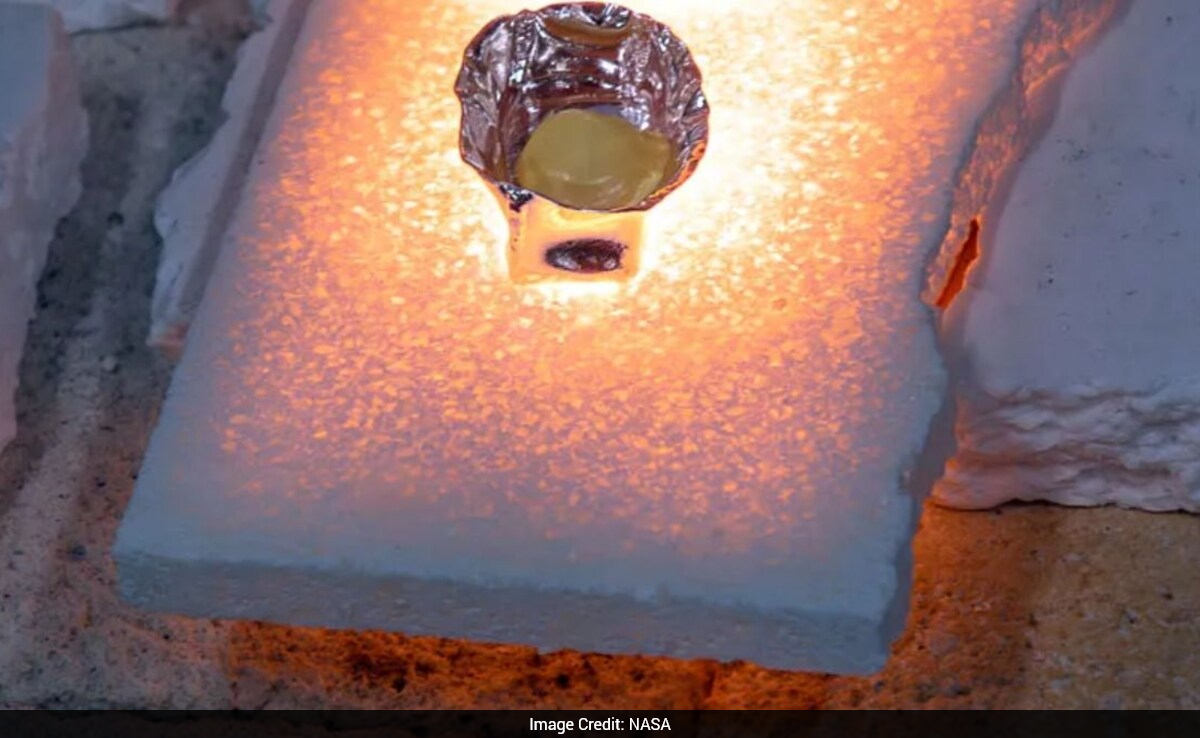
About six months into the project, the researchers noticed something unexpected. After combining simulated lunar dust with a compound known as scandium oxide and heating the mixture in a high-temperature furnace, a previously unknown material formed.
The team repeatedly checked their results but found that the material did not match any of the more than one million substances listed in their X-ray analysis database.
Because the material had never been studied before, the researchers began analysing its chemical composition from the beginning.
To create small samples for further testing, they used laboratory equipment to grind and mix around eight basic oxide components in ethyl alcohol. The mixture was then heated to more than 2,900 degrees Fahrenheit in a furnace.
Dr. Yu said the material initially appeared as a pink powder that looked similar to strawberry milk. He explained that the powder gradually changed to a light beige or tan colour, which indicated that the reaction had occurred as expected.
After analysing the material, the researchers found that it resisted corrosion from molten lunar dust and could withstand the extreme temperatures required to melt Moon rocks.
The material can tolerate temperatures up to six times hotter than those found in a typical kitchen oven. Although it contains scandium oxide, which can be expensive, it remains significantly less costly than precious metals such as platinum that are often used in high-temperature applications.
The researchers said the material could help shape future NASA technologies designed to extract resources from Moon rocks. It may be used to make pipes or containers that hold molten lunar dust during the extraction process.
The team also found that the material may be useful for protective coatings inside jet engines, where temperatures can reach similarly extreme levels.
According to the researchers, the material is lighter, less dense, and provides better heat insulation than current advanced coating materials.
While the initial testing phase has been completed, Yu and Stokes hope to further refine the material in the future to improve its purity and reduce production costs.
The researchers noted that materials science will continue to play an important role in supporting exploration of the Moon and other challenging environments beyond Earth.
Track Latest News Live on NDTV.com and get news updates from India and around the world

