





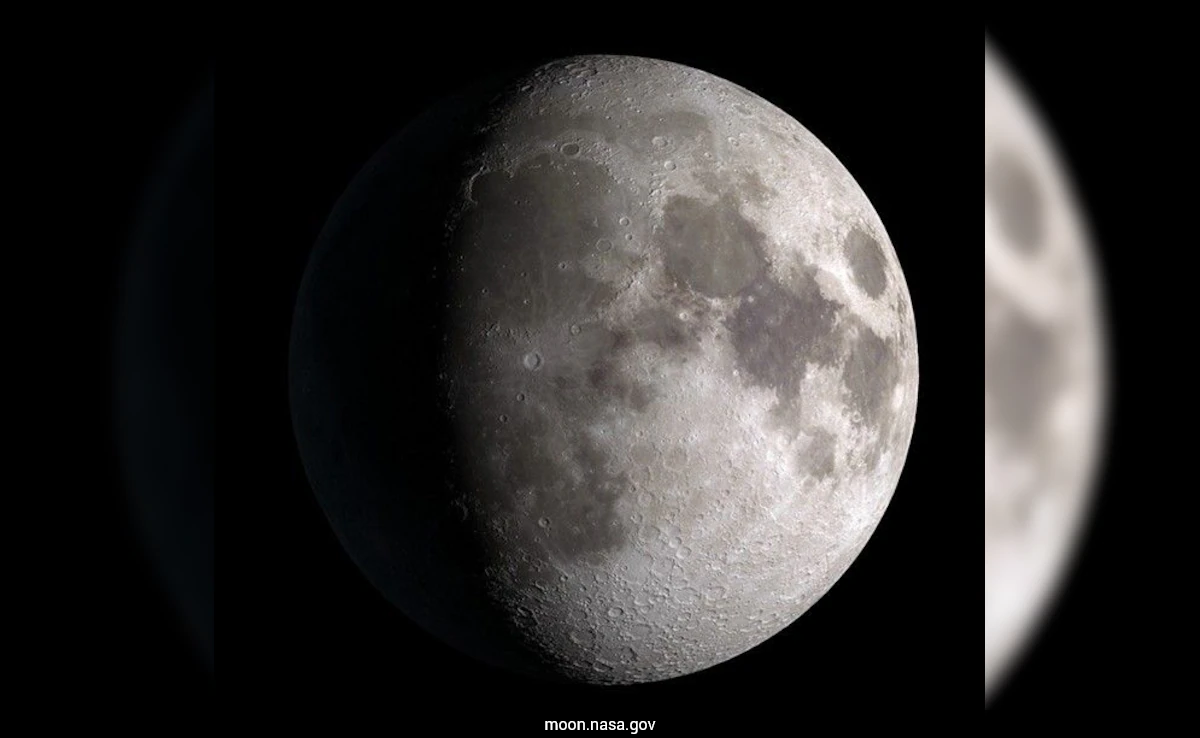
The Moon is currently in its Waning Crescent phase, marking the final stage of the lunar cycle. According to NASA's Daily Moon Observation, just 2% of the Moon's surface is illuminated as of December 17, making it barely visible in the night sky.
The lunar cycle spans approximately 29.5 days, during which the Moon passes through eight distinct phases-from New Moon to Full Moon and back. The cycle begins with the New Moon, when the Moon is completely dark, and ends with the Waning Crescent before the next New Moon.
Skywatchers can expect the New Moon shortly, followed by the next Full Moon on January 3. The previous Full Moon occurred on December 4.
Understanding the Moon's phases helps stargazers and space enthusiasts plan celestial observations, as visibility and brightness vary significantly throughout the cycle.
What are moon phases?
Moon phases refer to the changing appearances of the Moon as seen from Earth, driven by its 29.5-day orbit around our planet, according to NASA. Although the Moon's near side always faces us, varying amounts of sunlight illuminate it, creating a cycle of visibility from fully dark to completely lit.
The cycle unfolds in eight primary phases. The New Moon occurs when the Moon positions between Earth and the Sun, rendering its visible side dark and invisible. As it waxes, a Waxing Crescent emerges with a thin right-side sliver (in the Northern Hemisphere). The First Quarter follows, showing a right-half illumination like a semicircle. Then comes the Waxing Gibbous, where over half glows but not yet full.
At opposition, the Full Moon shines entirely. Waning begins with the Waning Gibbous, losing light from the right. The Third Quarter (or Last Quarter) displays a left-half lit semicircle. Finally, the Waning Crescent thins to a left sliver before returning to New.
Track Latest News Live on NDTV.com and get news updates from India and around the world

