





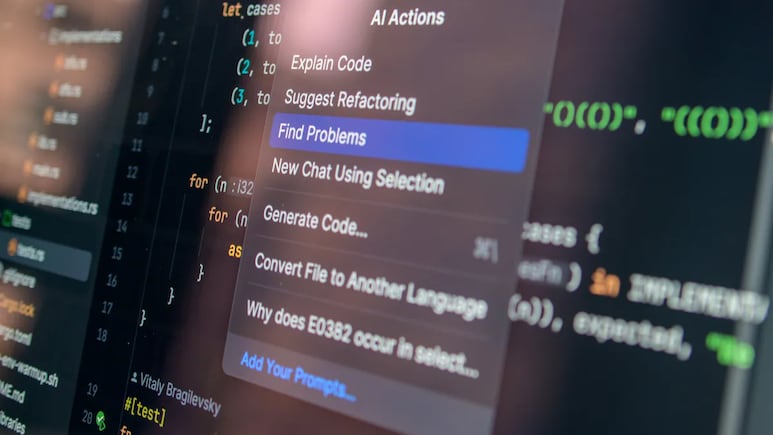
The human cost of coding could fall dramatically and may even reach zero in the future, according to R Srikrishna, CEO and Executive Director of Hexaware Technologies. Speaking to Forbes India, he said rapid advances in artificial intelligence are set to transform how software is built and maintained.
The comments come amid the growing popularity of "vibe coding", where users generate software using natural language prompts. This approach has helped non-coders build prototypes quickly and has widened access to development tools. However, it still struggles with complex tasks such as integrating multiple systems, handling large codebases, and managing third-party APIs.
As complexity increases, the need for verification, debugging, and repeated iterations rises, reducing efficiency. This often leads to tech debt-a build-up of untested and difficult-to-maintain code-which limits the use of such tools largely to early-stage prototyping.
Future: rebuild instead of repair
Srikrishna told Forbes India that this limitation may not last long. As AI tools advance, companies might no longer need to repair or rewrite flawed legacy code. Instead, they could simply discard outdated systems and generate entirely new, fully functional software from scratch. This shift, he said, could sharply reduce dependence on human developers, cutting costs and fundamentally reshaping the industry's economic model.
Hexaware is already investing in this future. The company has launched RapidX in partnership with Replit, enabling users to convert natural language into production-ready software. It is also working on a "Zero License" model aimed at replacing traditional software with AI-driven solutions by 2026, alongside efforts to eliminate tech debt entirely. If realised, these innovations could mark a major shift in how software is created-making coding faster, cheaper, and far less dependent on human effort.
Track Latest News Live on NDTV.com and get news updates from India and around the world

