






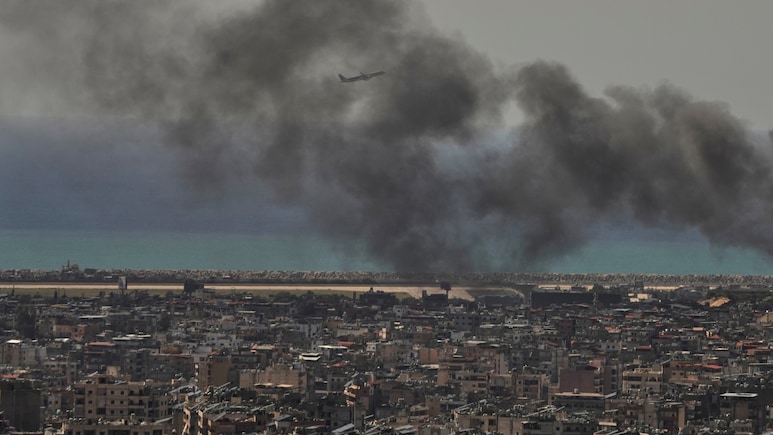
To think about how the Iran war affects China, you might take a look at Yiwu, a global trading hub in the eastern Zhejiang province that hosts sprawling wholesale markets selling goods from hair clips to toys.
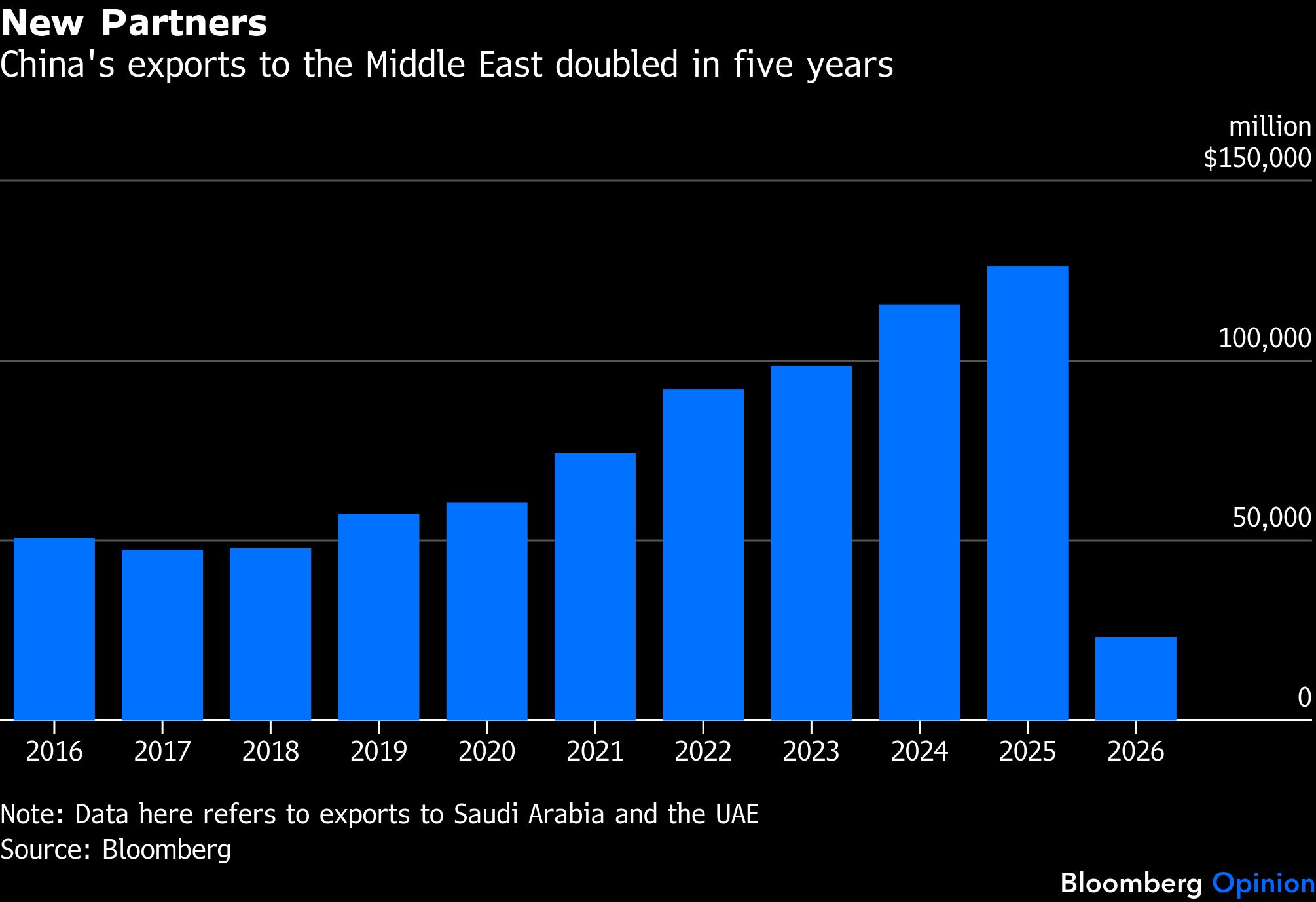
Exporters are eager for business. At the entrance is a prominent display that reads "World's capital of small commodities eagerly embraces your gracious presence." Buyers from Gulf states are the city's most prized guests, as Middle Eastern restaurants - the best in China according to social media influencers - spread across the main shopping districts. After all, these customers bring big business. Exports to the region doubled in five years, exceeding $120 billion in 2025. In the first two months of the year, China's exports to the UAE and Saudi Arabia alone grew 23%.
With the Iran war entering the fourth week, the much-anticipated visitors from the region have practically disappeared as air traffic disruptions continue. Those in town are rushing to find flights home, while local vendors worry about the safety of their Iranian customers, having not heard from them as the country experiences a near-total internet blackout. Some have reportedly applied to join the army to defend their country's sovereignty.
Even if Middle Eastern buyers are still able to place orders via WeChat, their Chinese suppliers in Yiwu, especially electronics makers, are pulling the plug. Their math no longer works.
Take air conditioners, for example. Last year, China shipped over 17 million units to the Middle East, or roughly 20% of the country's total exports. Overseas sales might be tumbling by 12% this month, readings from online orders show.
Transportation costs have become prohibitively expensive. Freight for a standard container to the Persian Gulf has risen 35% in March, while insurance premiums have jumped by 143%. Sellers also have to pay insurers war surcharges of up to $4,000 per container.
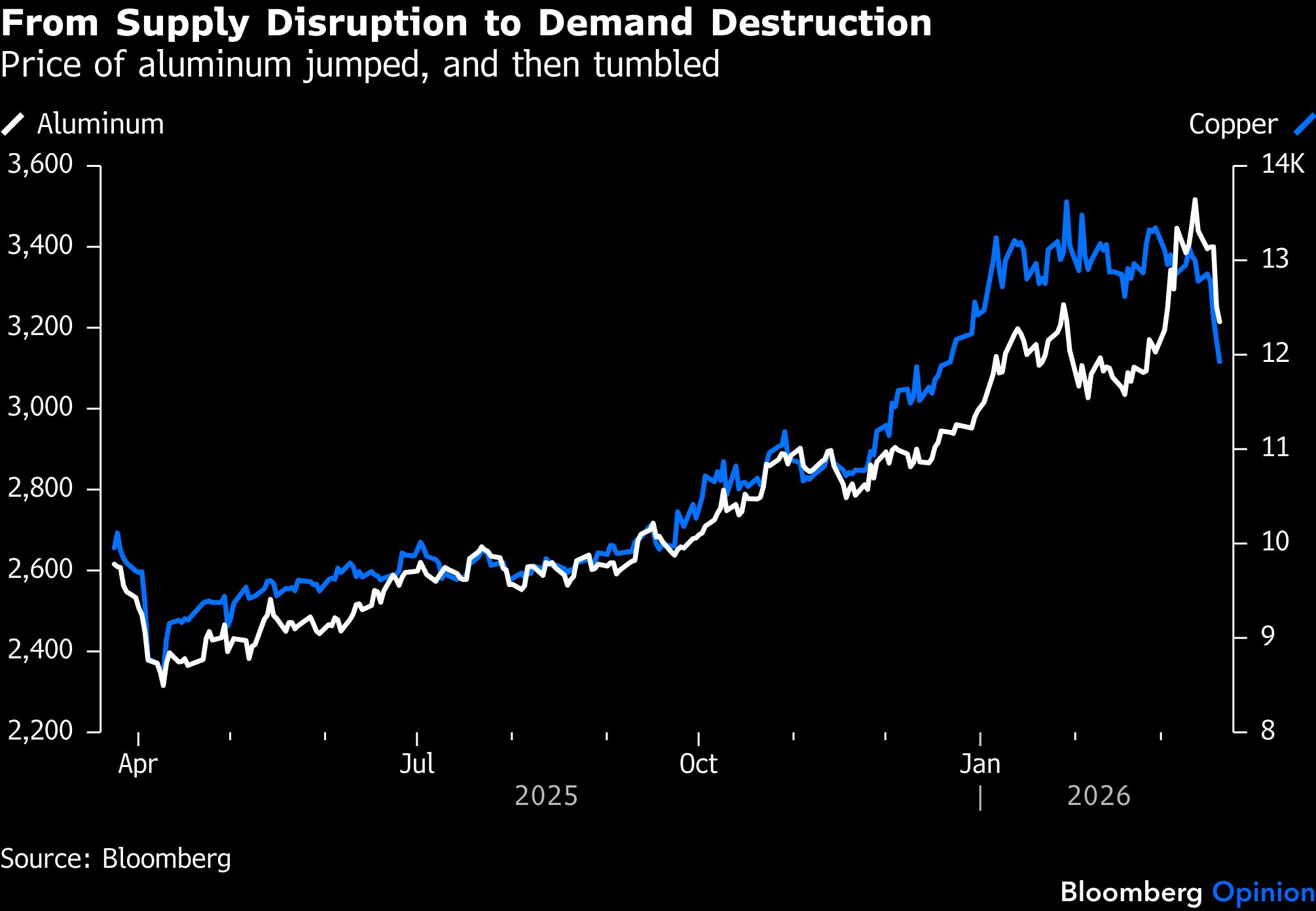
Manufacturers are also concerned about procurements of raw materials from copper to aluminum, not wanting to be caught at the wrong end of the cycle. The price of aluminum soared at the start of the war as commodities traders worried about supply disruptions. The region accounted for 9% of global production in 2025. But as the conflict drags on, prices of industrial metals have plunged in recent days over fears of a global recession. A 10% rise in raw materials costs can shave gross margins for home-appliances makers Midea Group Co., Haier Smart Home Co. and Gree Electric Appliances Inc. of Zhuhai by as much as 6%.
Yiwu provides a small glimpse of the existential threat a prolonged war may pose to China. A collapse of global demand will dent the economy's only bright spot - exports that the government has counted on to help meet its annual growth targets. This pillar is now looking wobbly as elevated energy costs drain consumers' wallets around the world.
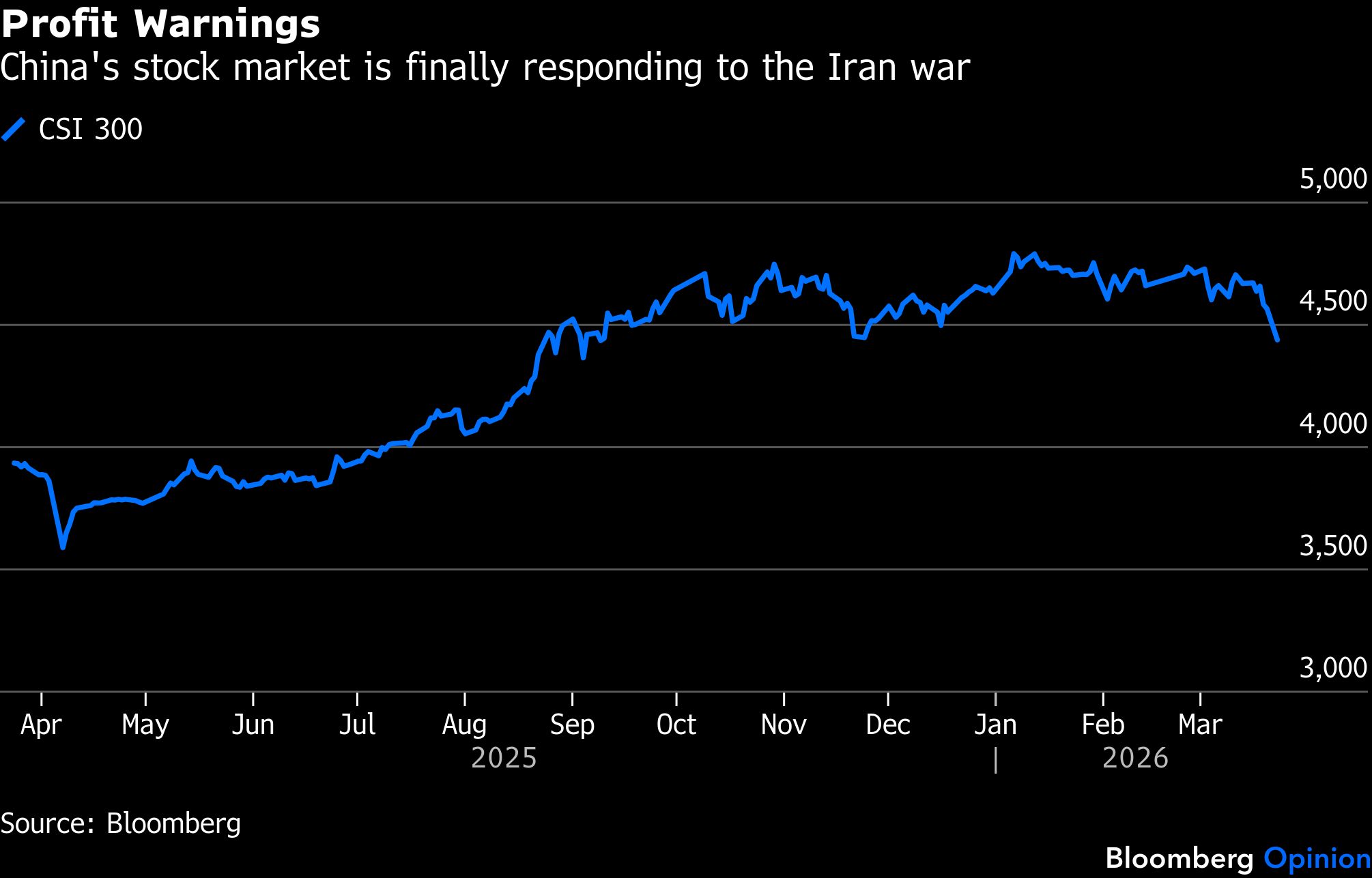
A slowdown in exports will likely create more overcapacity, trigger fiercer price wars at home and trim corporate profits. This perhaps explains why China's stock market is finally pricing in the Iran war after weeks of calm.
There's now a debate in mainland China over what the war means for the country. In the near-term, the government needs to handle an energy crisis that has already erupted. To be sure, almost everyone agrees that the formidable strategic oil reserves Beijing has built buffers the economy better than its north Asian neighbors. It's the long-term impact that has investors at odds. Some argue that the war is good for China because US military resources will be diverted away from the Pacific, and that Beijing will win the AI arms race because it has a superior energy infrastructure.
I disagree with this bullish view. In the last two years, China caught a lucky break because of robust global demand, allowing it to sell into Europe and the Global South even as President Donald Trump raised US tariffs. This gives his counterpart Xi Jinping the policy space to let a weak economy bottom out on its own. Indeed, the government has dialed down fiscal support, while sounding unfazed by the continued housing market decline.
This rug of policy comfort will be pulled from under China's feet if we enter a global recession. Unlike Trump's claims, wars have no winners.
(Except for the headline, this story has not been edited by NDTV staff and is published from a syndicated feed.)

