






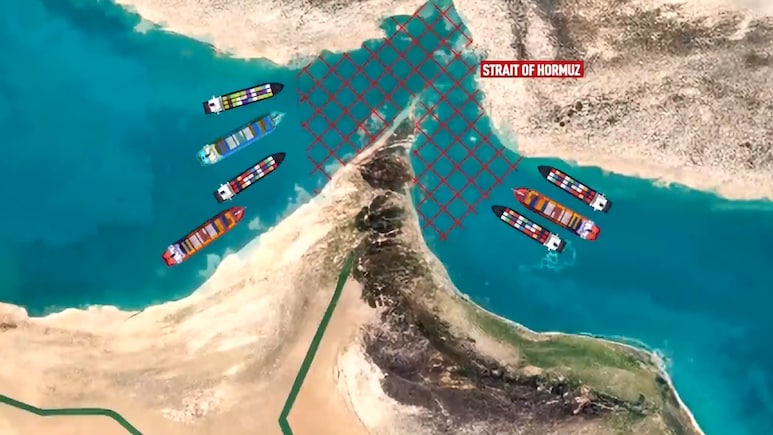
The world has discussed the war in the Middle East from every possible angle - military strategy, geopolitics, energy security, supply chains, economic resilience and humanitarian consequences. There are articles, television debates, conferences and strategic assessments everywhere. But the world appears helpless despite knowing the consequences and also knowing that the war must stop.
The real cost of this war cannot be measured only by calculating the military expenditure or the economic losses of Israel, Iran or the US. Its impact has reached almost every part of the world. With around 8.5 billion people on the planet, even an additional burden of $10-50 per person represents an enormous economic loss. The cumulative global impact has already crossed the trillion-dollar level when measured through increased costs, disrupted supply chains, energy prices, transportation, trade and lost economic opportunities.
The worst sufferers are the poor because a high-income household may absorb higher fuel, food and transportation costs, but the poor, lower-middle and middle-income categories that account for nearly 80 per cent of the world's population cannot afford such additional costs. Their economic growth is being pushed backwards and their cost of living is rising.
It has become a war whose economic consequences are being paid for by the entire world.
Why Is The World Still Watching?
The world understands the consequences and almost every country knows this war has to stop. They know the repercussions. Yet the collective opinion of the affected world has not been able to influence the course of the war.
The US and Israel have, in effect, dragged the wider world into a situation where countries that have no effective say in the decision-making are compelled to bear the consequences. The global economy has been hijacked by decisions whose repercussions are being distributed across the world.
People are seeing it in drawing rooms, television studios, universities and think tanks. More books will be written, followed by strategic analyses. And then they will hit a limit due to absence of collective action.
Initially, countries waited for the war to end quickly, which made them use their reserves to absorb shocks. Then came a phase where countries and selected interests began discovering strategic and economic opportunities in the continuation of the conflict. Direct and indirect involvement increased, and strategic interests started competing with the larger interest of humanity.
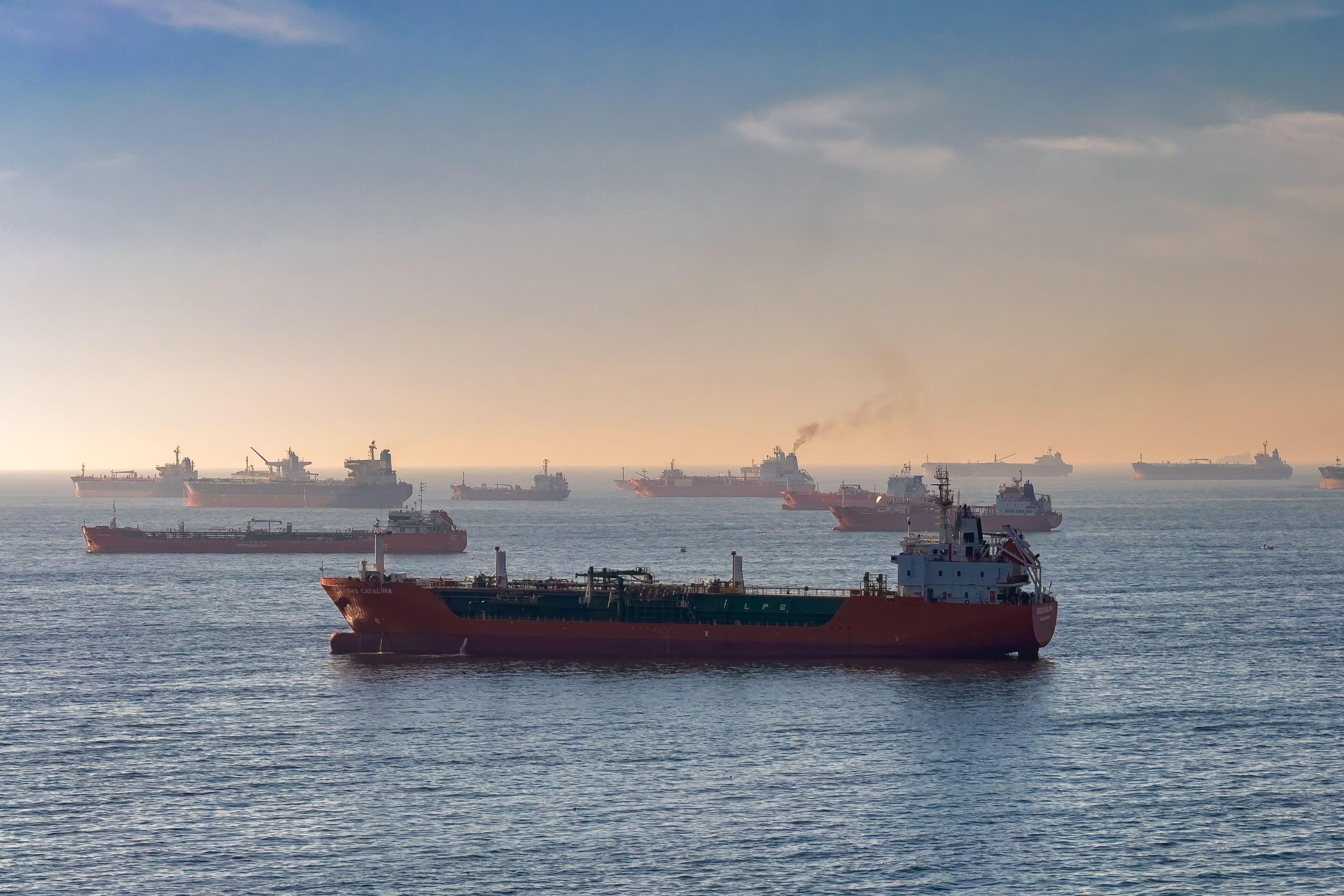
Iran, meanwhile, has been pushed into a position where the losses to its population, economy and geography have become so high that bearing the pain for a longer period has itself become the strategy.
The New Battlefield: Who Can Bear The Pain Longer?
This war has revealed a new face of modern warfare that is not much concerned with better military equipment, superior communications, greater financial resources or sophisticated strategic planning, but puts the heaviest emphasis on who has the resilience to bear pain for the longest time. The attacker may have greater military strength, but the ultimate outcome may depend on the capacity of the people and the system being attacked to survive.
History has repeatedly shown this in Vietnam, Afghanistan, Iraq, North Korea and now Iran is a living example that military power cannot simply defeat a country in its entirety - people, geography, culture and civilisation. Ultimately, it is the capacity to bear pain that determines how long a conflict can continue.
This creates a paradox for advanced and comfortable societies. The higher the standard of living and the greater the dependence on uninterrupted consumption, the lower may be the tolerance for prolonged disruption. The societies that can absorb pain for longer may therefore possess an unexpected strategic advantage.
Pakistan: The Danger Of Becoming A Dealmaker
Pakistan, which is already facing serious economic difficulties, cannot indefinitely attempt to benefit by positioning itself between those inflicting the pain and those bearing it. The country appears to have found another opportunity to become a dealmaker and extract economic or strategic advantage. But it cannot permanently stand on both sides. The direct and indirect role of Pakistan's military leadership also exposes another danger: when military authority becomes more powerful than democratic institutions, an elected prime minister or president can become subordinate to an unelected power structure. This is a dangerous model. If the military leadership can bypass democratic institutions to serve the interests of a few leaders or external masters, the entire democratic system becomes vulnerable.
India Cannot Remain Strategically Silent
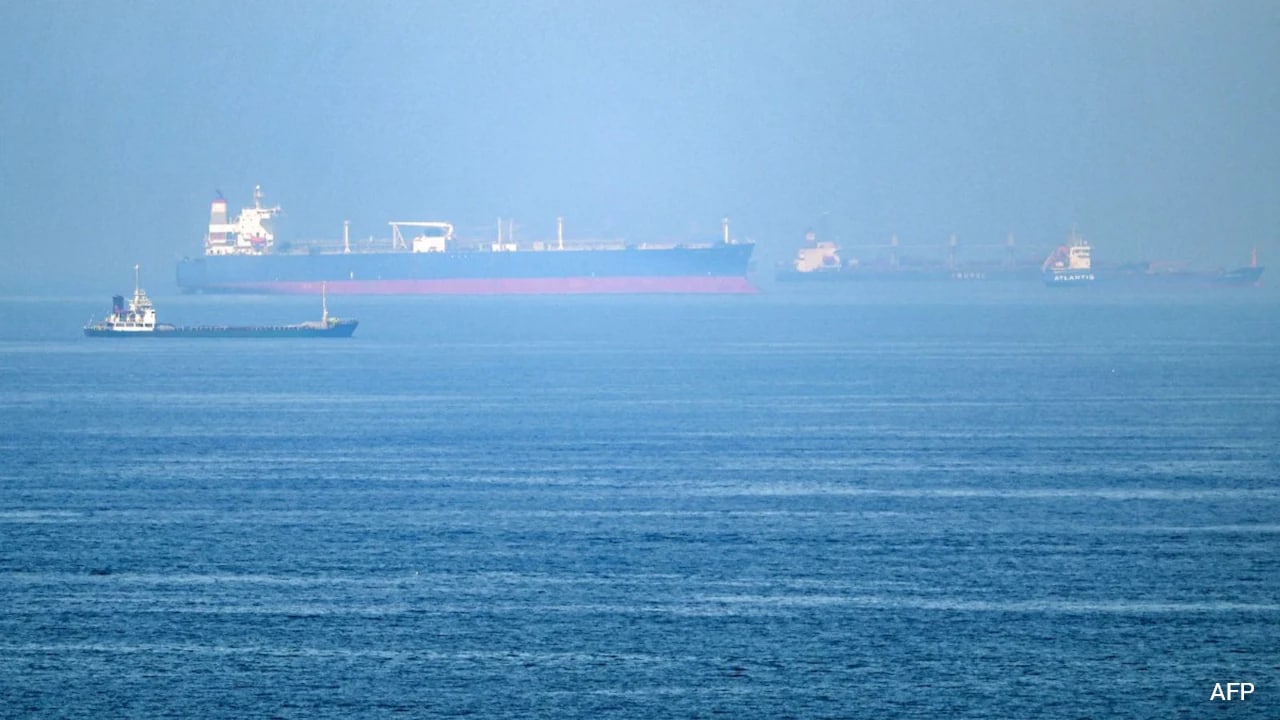
India, like many other countries, have felt the effects of the developments in the Middle East. Its energy security, trade, shipping, diaspora and supply chains are connected with the region, which makes any form of 'strategic silence' unsustainable in the long term. India should not necessarily align itself with the US, Russia or China, but build a collective platform of countries whose people are actually paying the price of this conflict.
A vast part of the Middle East, Asia, Africa and South Asia is affected. Some 1.4 billion Indians and billions across Africa and South Asia cannot remain spectators while decisions taken by a few powers affect their livelihoods. This entire region will struggle to articulate its concerns if India does not make its voice heard, which needs a shift from strategic silence to strategic leadership to help those whose economic and human interests are affected.
Trade Routes: New Weapon More Dangerous Than Bomb
The most important strategic lesson of this war may be the vulnerability of global shipping and trading routes. The world has discovered that one does not need a nuclear bomb to create enormous economic destruction. Stopping shipping routes, energy corridors and trade routes can economically damage entire countries and potentially the world. This is a new form of low-tech economic warfare, and in some circumstances it may be more dangerous than conventional military action.
It also creates a new economic temptation for countries located near critical trade routes. If advanced countries have historically benefited from controlling technology, financial institutions and global economic systems, developing countries may increasingly argue that they too have a right to derive legitimate economic benefit from their geography. If a country's ports, land, airspace or maritime geography are used for global trade, that country cannot be denied an appropriate economic benefit. But that benefit must come with responsibility.
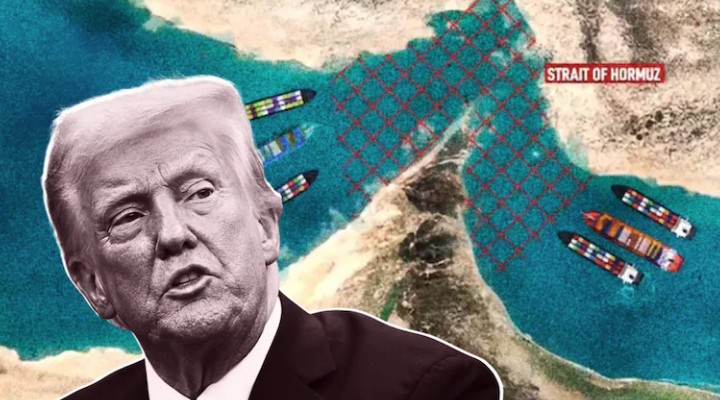
The countries benefiting economically from international trade routes should also become stakeholders in protecting them, following the principle that if you earn from a trade route, you must also have a stake in keeping it open.
Sanctions: The Silent Spread of War
Sanctions have become another form of economic warfare in this conflict. Restricting Iran's oil, gas, petrochemicals, fertilisers, metals and other industrial supplies disrupts global supply chains far beyond the region. Manufacturing hubs are forced to source their needs at higher costs, pushing up prices of finished products and other items worldwide. The impact is ultimately felt by ordinary consumers through inflation, from fuel and fertilisers to plastics, chemicals and agricultural products. What begins as a sanction against one country becomes an economic burden on millions elsewhere, with developing and poorer countries bearing the greatest pain.
The world needs to think beyond the existing system. The United Nations remains important, but the present crisis demonstrates the need for a dedicated international platform dealing specifically with shipping routes, energy corridors, trade security and economic resilience. This could function alongside the existing international institutions and bring together countries whose geography and economies are directly connected with major trade routes.
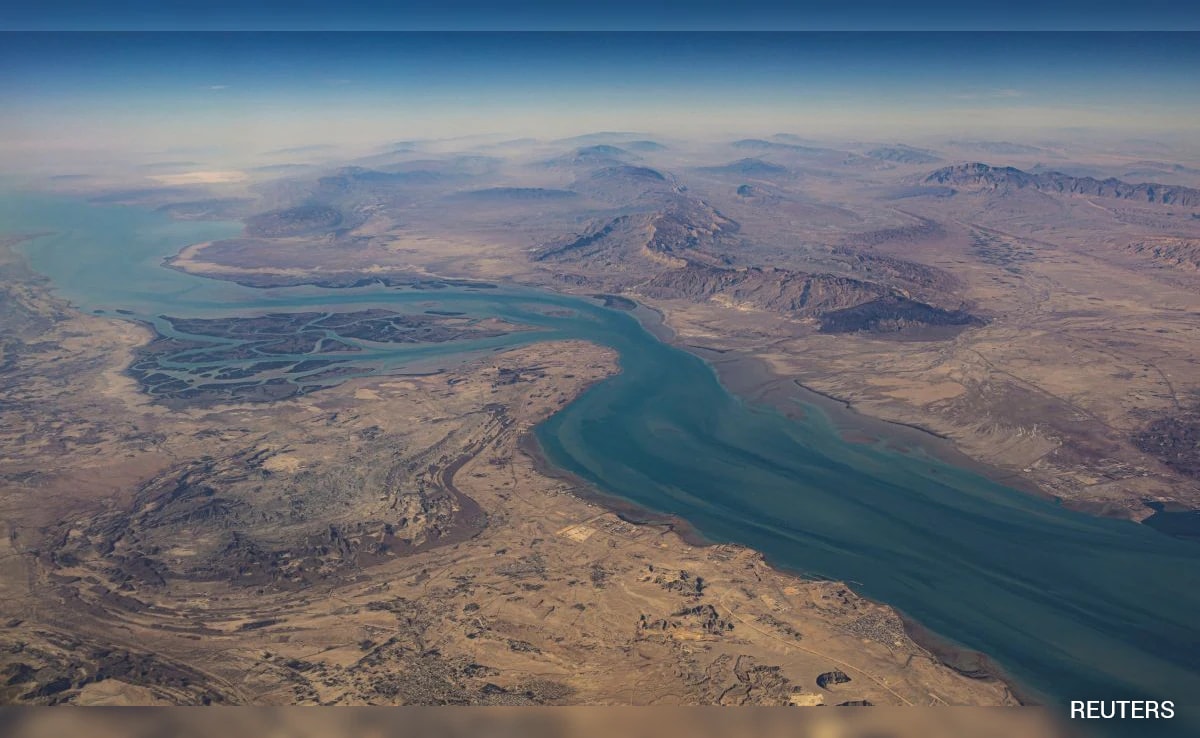
No one or two countries should be able to unilaterally hijack a global shipping or energy corridor and thereby impose an economic burden on billions of people. Countries located around critical routes should receive a legitimate economic share for providing access, infrastructure and security. But they should simultaneously accept international responsibility for keeping those routes open.
This would change the environment from control to partnership, from exploitation to shared benefit, and from unilateral power to collective responsibility. The countries that are geographically closest to these routes must become stakeholders in their security and decision-making. Their economic interest in keeping the routes open would itself become a deterrent against blocking them.
(The author is a former diplomat)
Disclaimer: These are the personal opinions of the author.

