







Mamata Banerjee has always been known as a leader who carefully calculates her political timing. She does not take steps impulsively, especially after a major electoral setback. That is why her recent shift toward more Delhi-centric politics is now becoming one of the most discussed developments in national opposition politics.
The question many people are asking is simple: why is Mamata Banerjee suddenly giving so much importance to national opposition coordination and the INDIA alliance after the 2026 West Bengal Assembly election?
There are several reasons behind this political repositioning.
For a long time, Mamata Banerjee had maintained a certain distance from formal INDIA alliance meetings. But now she is regularly attending these meetings again and is showing renewed interest in opposition coordination at the national level.
What makes this more politically significant is the fact that during the 2026 West Bengal assembly election, there was no alliance between the Trinamool Congress and the Congress party. In fact, Congress state president Subhankar Sarkar himself later admitted publicly that he personally wanted some kind of seat adjustment or tactical understanding with Mamata Banerjee. According to him, the Congress leadership in Bengal had been willing to explore an alliance framework, but Mamata Banerjee ultimately did not show interest at that time.
Perhaps she did not anticipate that the political outcome would unfold in the way it eventually did.
Now, after the election setback, the political situation has changed considerably. The first and most immediate reason behind Mamata Banerjee's Delhi-focused politics is the post-election reality inside West Bengal itself.

After the 2026 defeat, there is no immediate assembly election ahead, nor is there any realistic possibility of an instant change of government in Bengal. But at the same time, the BJP's political campaign against the Trinamool Congress has intensified almost every single day.
Corruption allegations against Trinamool leaders continue to dominate political discourse. Several MLAs have left the party. In many ways, the legislative structure of the Trinamool Congress has weakened internally. Inside the Kolkata Municipal Corporation, too, several councillors have either resigned or openly revolted against the leadership.
In such a politically defensive situation, Mamata Banerjee appears to be trying to shift the centre of political debate away from Bengal-specific anti-incumbency and toward larger national issues where the BJP-led central government can be targeted more aggressively.
That is a strategic political move. At the all-India level, the opposition still believes there are several issues on which the Narendra Modi government remains vulnerable. Unemployment, rising prices of cooking gas and fuel, economic uncertainty, foreign policy criticism, and delays in key international trade agreements, especially with the United States, are all issues being raised repeatedly by opposition parties.
Questions are also being raised over what many opposition leaders describe as inconsistency or "topsy-turvy" trends in foreign policy management. Mamata Banerjee now appears to be repositioning herself within this broader anti-BJP national campaign narrative.
Another important factor is the experience of Bengal itself during the recent election. There is now a growing feeling within sections of the opposition that whatever administrative, electoral, and political challenges Bengal witnessed during the election period, including controversies surrounding voter management, administrative handling, and electoral processes, should be presented nationally as a larger democratic concern.
Until now, opposition parties across India had not fully used the Bengal experience as a common reference point. But discussions have now started about turning Bengal into a "model case" to strengthen coordinated opposition attacks against the BJP nationally. At the same time, Mamata Banerjee's relationship with the Congress party is also entering a new phase.
During the Bengal Assembly election, there was a visible political distance between the Congress and the Trinamool. But after the election, Mamata Banerjee has gradually started rebuilding communication with Congress leaders and other opposition parties.
However, one important thing must be understood clearly.
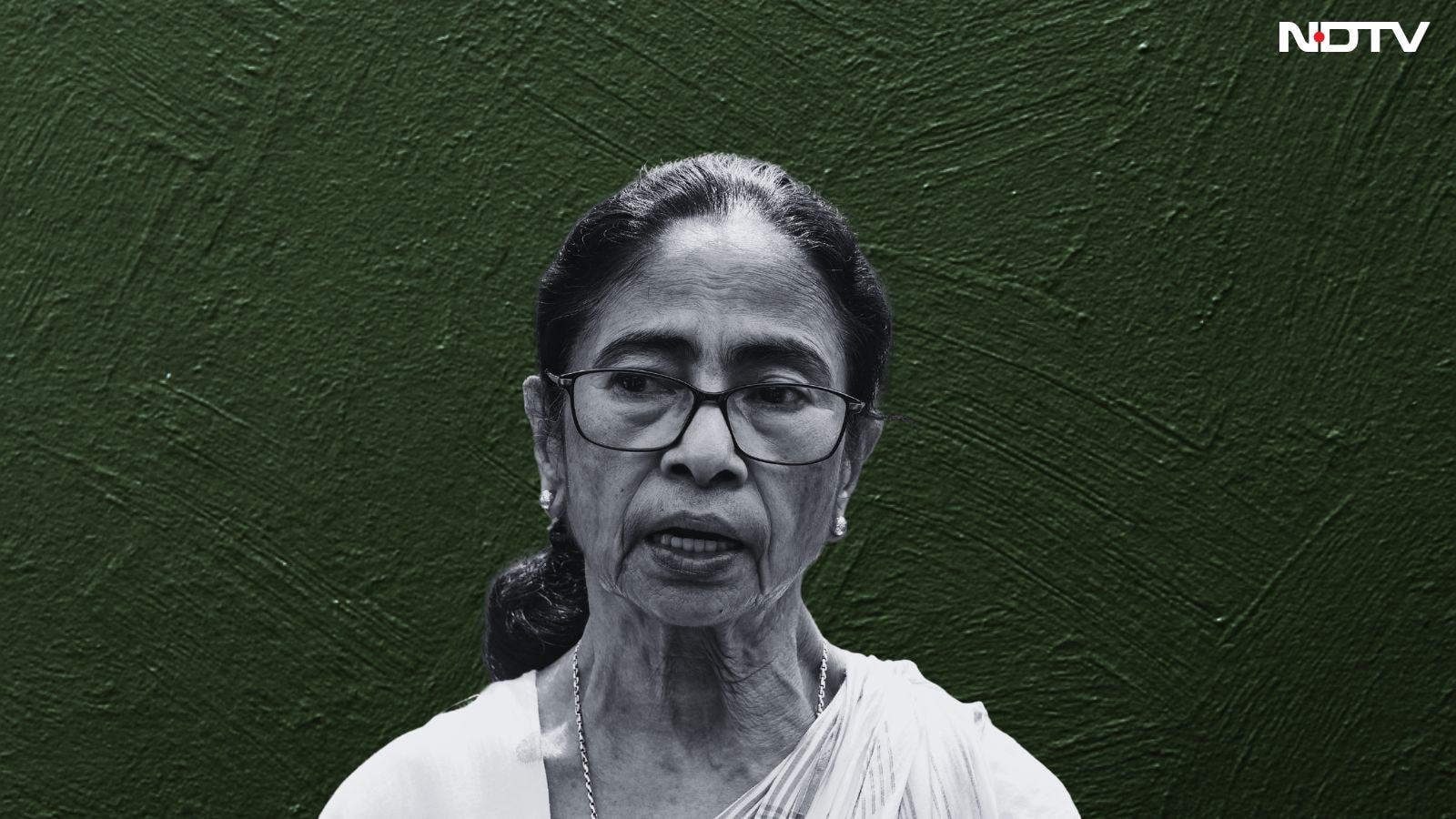
At this moment, Mamata Banerjee is not aggressively trying to project herself as the undisputed leader of the entire opposition bloc. Earlier, there had been intense debate within opposition circles over whether Mamata wanted to lead the anti-BJP front nationally. That debate had also created tensions among several regional parties.
Now, at least for the time being, Mamata appears to be avoiding that direct leadership contest.
Instead, her present strategy seems to be centred around creating broader solidarity among opposition parties rather than competing openly for national leadership. She is trying to position herself as a cooperative and active participant in the anti-BJP platform rather than immediately projecting prime ministerial ambitions. The timing is also politically important because the Monsoon Session of Parliament is approaching.
Opposition parties believe that if coordination inside Parliament improves, they may be able to corner the government more effectively on economic issues, foreign policy questions, inflation, unemployment, and governance-related controversies.
The strategy is clear: increase parliamentary pressure, build political narratives jointly, and gradually create a larger anti-incumbency environment at the national level. Even though the next Lok Sabha election is still some distance away and 2029 remains the real political target, Mamata Banerjee has already started preparing now. That is why her politics is no longer confined only to Bengal at this moment.
After facing a difficult election at home, Mamata Banerjee seems to have understood that rebuilding political momentum inside Bengal alone may not be enough. Expanding her relevance once again at the national level, reconnecting with opposition parties, and participating actively in Delhi-centric politics may now become equally important for her political survival and future strategy.
Whether this repositioning ultimately helps her regain lost political ground, both in Bengal and nationally, remains to be seen. But one thing is clear: Mamata Banerjee has once again entered a phase where she is recalibrating her politics with long-term national calculations in mind.
After the election results were declared, Mamata Banerjee remained unusually quiet for quite some time. She was making only limited public appearances and political movements. But now, she has clearly stepped into a full-scale damage-control exercise. The reason is obvious. The way the defections have begun inside the party has created serious concern within the Trinamool Congress leadership. After the cracks among MLAs, there is now speculation that similar divisions could emerge in both the Lok Sabha and Rajya Sabha as well.
The resignation of senior leaders like Sukhendu Sekhar Ray added to the anxiety within the party. There were also reports that Koel Mallick wanted to resign. In this atmosphere of uncertainty, Mamata Banerjee, along with Abhishek Banerjee, has started personally reaching out to all Members of Parliament. They are trying to speak to everyone individually, reassure them, and keep the organisation united during this difficult phase.
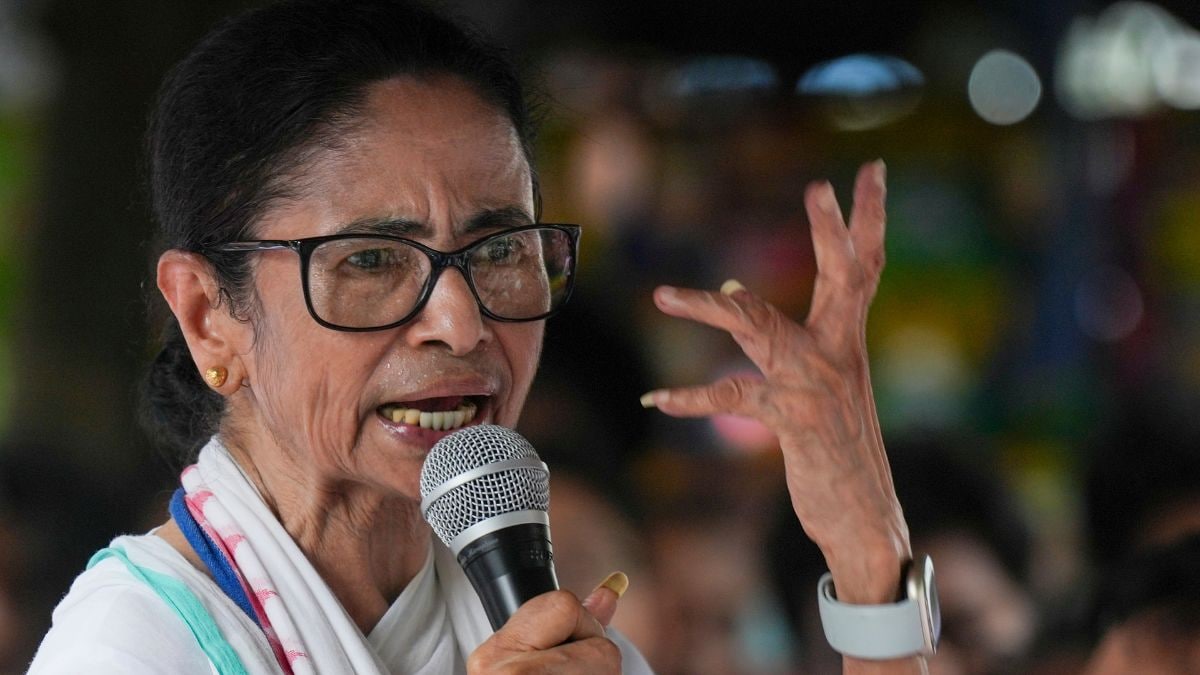
However, according to political discussions within party circles, not everyone is responding. Some MPs are reportedly not even answering phone calls. There are also whispers that several MPs have been holding meetings at undisclosed locations to discuss the rapidly changing political situation in the state. At the same time, many leaders within the party still believe this is not the right moment to leave the Trinamool Congress and are conveying that message internally as well.
This has made Mamata Banerjee far more proactive during this critical period. The Trinamool leadership believes that although the situation is difficult at the moment, political moods in Bengal can change with time. They feel that eventually a stronger anti-BJP narrative may once again emerge in the state. According to them, the Trinamool Congress vote bank cannot erode so easily or disappear overnight, despite the present turbulence.
But the challenge before the party is becoming increasingly complex. The BJP is trying aggressively to break into Mamata Banerjee's traditional support base, while at the same time, the Congress and the Left are also attempting to reclaim lost political ground. In other words, Trinamool is facing pressure from multiple sides simultaneously.
In this backdrop, Mamata Banerjee's effort to revive and consolidate the INDIA bloc has become politically significant. Bringing opposition parties together and giving a broader national call against the BJP is now being seen as a strategic necessity for her. The Trinamool leadership feels that if a united opposition platform can once again be projected strongly at the national level, it may help shift the political conversation away from internal defections and organisational instability in West Bengal.
(The author is Contributing Editor, NDTV)
Disclaimer: These are the personal opinions of the author

