





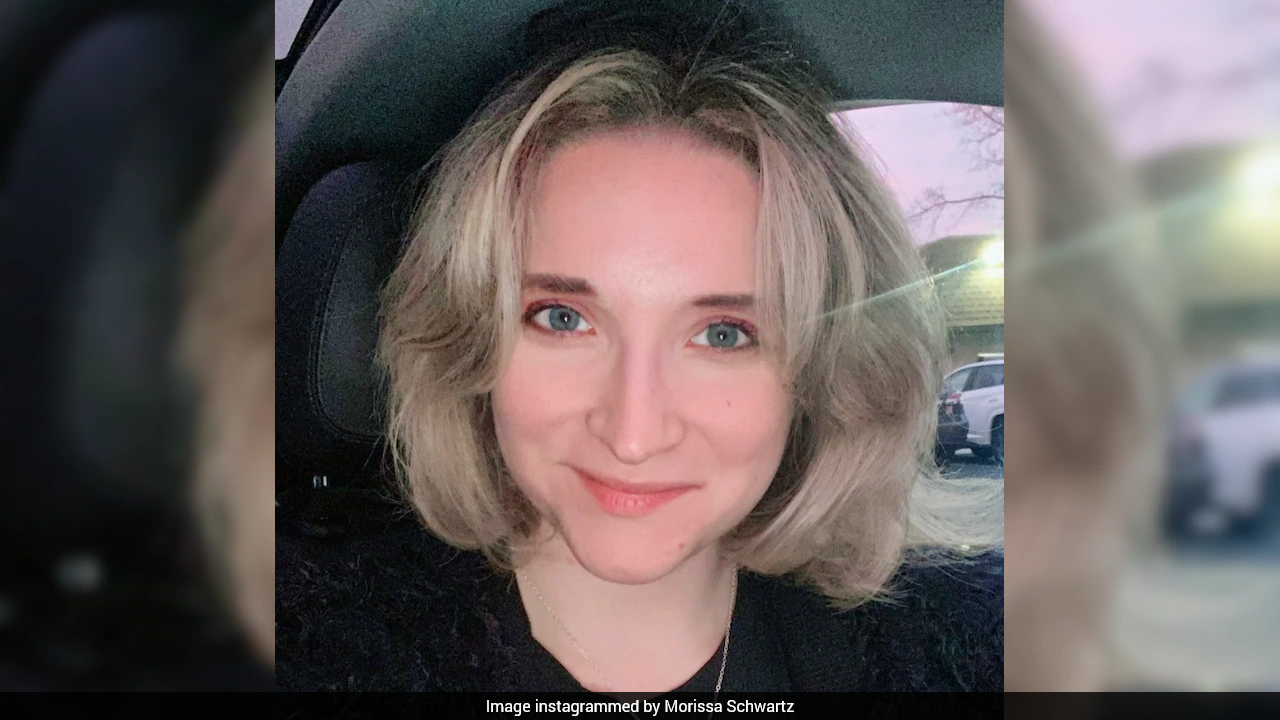
A US entrepreneur's daily to-do list ballooned to 156 tasks despite using artificial intelligence (AI) assistants to manage her workload. The experience prompted her to rethink how she uses the technology, warning that AI tools designed to improve productivity can sometimes create more work instead of helping people finish existing tasks. Dr Morissa Schwartz, an entrepreneur, author and AI strategist, explained to Fortune that her responsibilities include managing manuscripts, emails, projects and administrative work. However, she soon realised that several tasks overlapped, while others were merely reminders about existing reminders.
Schwartz said that asking AI to help with a project often leads to a plan, which then becomes a checklist and eventually a series of additional tasks. While each item may appear useful individually, the growing list can turn productivity management into another job.
"Ask it to help with a project, and it may produce a plan. Ask it to improve the plan, and it may produce a checklist. Ask it to make sure nothing gets missed, and the checklist may develop subcommittees," she said.
Every item can sound reasonable on its own. Collectively, they can turn help into a second job. The bigger problem, she explained, is that planning can feel like progress even when the actual work remains unfinished.
"A draft can sit there looking polished. A calendar can fill up with preparation. A task can be checked off because someone wrote instructions for completing it. Meanwhile, the email still needs sending. The application still needs submitting. The client still needs the finished file. A productivity system earns its keep when those things happen," she added.
Following the 156-task surprise, Schwartz decided to change her approach to AI-assisted productivity. She now aims to keep her weekday task list to around 25 meaningful entries while making room for genuine deadlines and essential responsibilities. She clarified that this is a personal limit rather than a universal productivity rule. "Its purpose is to force a choice. If everything is due today, the list has stopped helping me decide what to do today," she added.
She also recommends grouping related tasks under a single project entry instead of allowing every small step to appear as a separate obligation. Another priority is verifying completed work. Instead of relying solely on an AI assistant's claim that a task is finished, she wants tangible evidence, such as a sent email, a live publication link or a delivered file. This can also help prevent duplicate work.
Schwartz believes AI systems should clearly identify obstacles, explain what information is missing and continue working on unrelated tasks wherever possible. She also wants productivity measured through actual outcomes, such as pitches sent, replies received and deliverables completed, rather than the number of tasks generated.
She acknowledged that AI can help organise information, identify overlapping tasks and handle routine work. However, she stressed that these tools must be designed to prioritise completion, verify results and communicate clearly about unfinished work.
"I still want an assistant. I still want technology to make work easier and possibilities bigger. I would just like my to-do list to stop recruiting," she concluded.
Track Latest News Live on NDTV.com and get news updates from India and around the world

