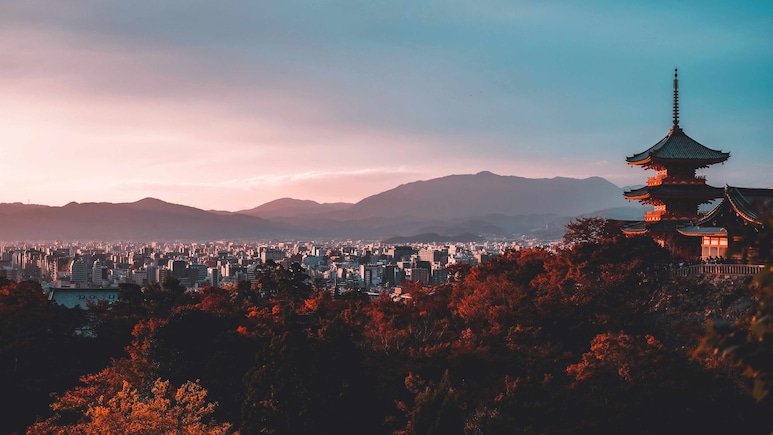
Japan is preparing for one of its biggest immigration policy shifts in decades. According to reports, starting fiscal year 2026, which runs from April 2026 to March 2027, the country's Immigration Services Agency will sharply raise fees for a range of visa and residency-related procedures, in some cases by five to ten times.
A 500% Hike
Under the new structure, applications for extending or changing residential status will increase from the current 6,000 Yen to between 30,000 Yen (Rs 17,180) and 40,000 Yen (Rs 23,000).
The steepest jump is reserved for permanent residency, where fees will rise from 10,000 Yen to well over 100,000 Yen. While the changes primarily affect foreign residents such as students and workers, officials have indicated that tourist visa fees could also be revised. At present, a single-entry tourist visa costs 3,000 Yen, and multiple costs 6,000 Yen but this may be brought in line with international standards to match G7 norms like the US (28,000 Yen), UK (27,000 Yen), or Schengen (15,000 Yen) as Japan grapples with an unprecedented tourism boom.
Why Japan Is Raising Fees Now
One of the main drivers behind the overhaul is how outdated Japan's immigration fees have become.
Most charges have remained virtually unchanged since the 1970s and early 1980s, leaving them far below global benchmarks. By comparison, the UK charges £127 for a visa, Schengen countries charge €90, and the US levies more than $420 for certain renewals.
At the same time, Japan is dealing with record numbers of foreign arrivals. In 2025, the country was home to 3.96 million foreign residents, the highest ever recorded. Tourism has surged even faster, with 21.5 million international visitors arriving in just the first half of the year.
This post-pandemic rebound has placed immense pressure on immigration offices, border screening systems, and enforcement operations, including the handling of over 70,000 overstayers. Officials say rising staffing and administrative costs have made the first major fee revision in more than 40 years unavoidable.
Who Will Feel The Impact The Most
Short-term visitors may initially escape with only modest increases, but the financial hit will be most noticeable for those planning longer stays. International students renewing their visas, workers applying for status changes, and families seeking permanent residency will all face significantly higher costs.
There are also wider ripple effects. Employers hiring foreign talent may pass on increased administrative expenses, potentially making Japan a less attractive destination for skilled workers.
For many, the fee hike comes on top of growing frustrations linked to overtourism, particularly in cities like Tokyo and Kyoto, where overcrowding, environmental stress, and resident backlash are already major concerns.
The move also follows a recent increase in Japan's departure tax, which rose from 1,000 Yen to around 3,000 Yen, further tightening travel budgets for tourists and expats alike.
A Push For Sustainability
Japanese authorities argue the changes are about fairness and long-term sustainability. The additional revenue, expected to run into tens of billions of yen, will be used to modernise immigration infrastructure. Planned investments include digital systems such as the JESTA pre-screening platform expected by 2028, expanded Japanese language education, airport upgrades, and broader multicultural support measures like free high school tuition.
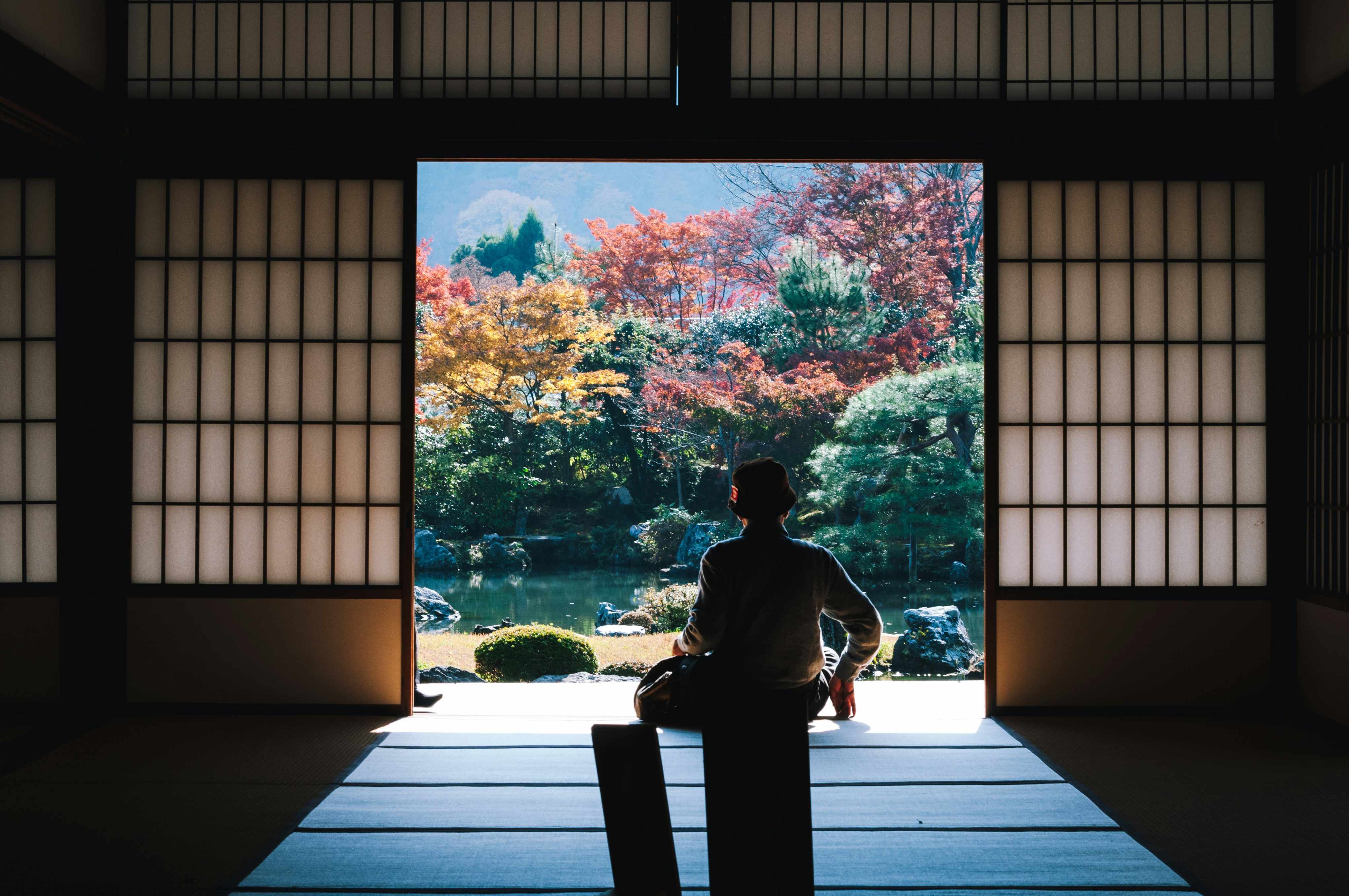
For many, the fee hike comes on top of growing frustrations linked to overtourism. Photo: Unsplash
By aligning fees with those charged in Western countries, the government hopes to fund these upgrades without burdening Japanese taxpayers, while also easing pressure on infrastructure strained by the sheer volume of visitors.
How Travellers Can Avoid This Hike
With the higher fees just a few months away, experts say early planning could make a significant difference. Anyone who expects to extend their stay, change visa status, or apply for permanent residency should submit applications before April 2026 wherever possible.
In previous revisions, Japan has allowed applications filed before the implementation date to be processed at the old rates, even if approvals come later.
You can also opt for longer-duration visas where eligible. Choosing a multi-year validity or longer period of stay can reduce the number of renewals required over time, helping spread costs and avoid repeated fee payments.
Online applications, where available, are another practical option, as digital processing is expected to remain cheaper and faster than in-person submissions as Japan upgrades its systems.
For those still planning to enter Japan, the visa application process itself remains relatively straightforward compared to many other countries. Applicants typically need a valid passport, completed application form, photographs, proof of accommodation, financial documents, and an itinerary. Notably, Japan does not insist on fully paid flight tickets. Cancelled or on-hold flight bookings are widely accepted at the visa stage, allowing travellers to adjust their plans later without financial risk if dates or routes change.
This flexibility has long made Japan a popular destination, especially for first-time visitors and students, as itineraries can be modified after visa approval. Hotel reservations that are refundable or cancellable are also commonly accepted, provided the overall travel plan is clearly outlined.
For workers and students, employer or institution-sponsored visas remain one of the safest ways to manage rising costs. Sponsorship often covers part of the application process and can help applicants secure longer validity periods. Those eligible for permanent residency should begin the process early, as completing it before the new fee structure kicks in could mean substantial savings.
Track Latest News Live on NDTV.com and get news updates from India and around the world
