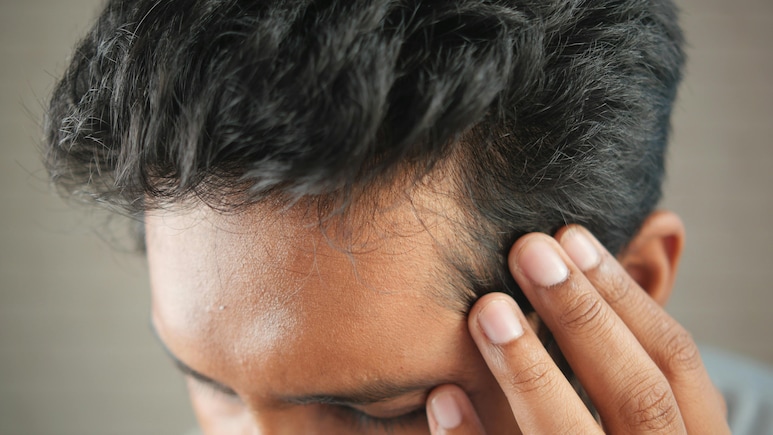
Hair loss treatments often come wrapped in marketing promises, but Finasteride is one of the few that sit firmly in the medical category.
It is a prescription drug approved by the US Food and Drug Administration in 1997, widely used to treat both male pattern baldness and benign prostatic hyperplasia (BPH).
What Finasteride Is Actually Used For
Finasteride serves two primary purposes.
At a higher dose (5 mg), it is prescribed for BPH, a condition where the prostate enlarges and causes urinary issues. At a lower dose (1 mg), it is used to treat androgenetic alopecia, more commonly known as male pattern hair loss.
For hair loss, the drug helps slow thinning and, in some cases, promotes regrowth. However, the effects last only as long as the medication is taken. Once stopped, hair loss typically resumes.
How It Works
To understand finasteride, it helps to know one hormone: DHT (dihydrotestosterone).
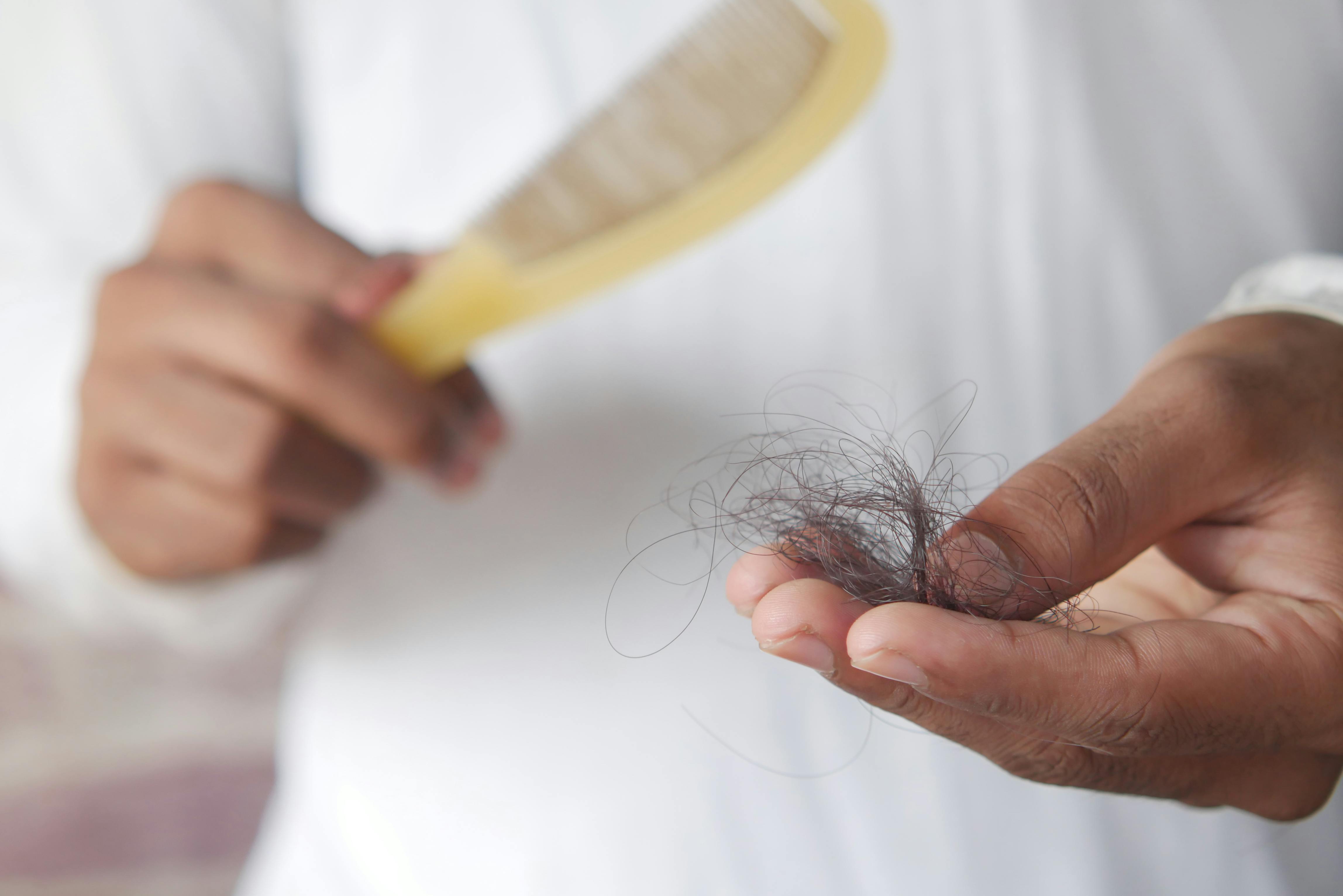
Finasteride serves two primary purposes. Photo: Pexels
DHT is a byproduct of testosterone and plays a key role in shrinking hair follicles in men prone to hair loss. Finasteride works by blocking an enzyme called 5-alpha-reductase, which converts testosterone into DHT.
In simpler terms:
- Fewer enzymes lead to less DHT
- Less DHT leads to less damage to hair follicles
Studies suggest the drug can reduce DHT levels in the scalp and prostate by around 70%, which is why it is effective for both hair and prostate conditions.
Dosage And Usage
Finasteride is typically taken once daily:
- 1 mg for hair loss
It requires a prescription and is not recommended for women, especially during pregnancy, due to potential risks to a developing foetus.
In India, it is widely available through pharmacies under various brands, often costing around Rs 37 to Rs 100 per strip for generic versions.
Are There Any Side Effects
Most users tolerate finasteride well, but side effects do occur in a small percentage, roughly 2-4%.
The most commonly reported issues are related to sexual health:
- Reduced libido
- Erectile dysfunction
- Changes in ejaculation
Other effects can include mild skin reactions. While many of these resolve after stopping the drug, some users report longer-lasting symptoms, which remains an area of ongoing discussion in medical circles.
What Scientific Studies Say
Finasteride is one of the most studied drugs for hair loss.
Large clinical trials involving over 1,500 men showed that those taking 1 mg daily experienced a measurable increase in hair count compared to placebo. Over two years, participants gained more than 100 additional hairs in a small scalp area and showed visible slowing of hair loss.
A longer 5-year study found that over 85% of men saw improvement, particularly in crown (vertex) hair loss.
Remember
Finasteride is not a miracle cure, and it does not work for everyone, but it remains one of the few medically backed options for male pattern baldness.
The key is consistency, medical guidance, and a clear understanding of both its benefits and limitations.
Track Latest News Live on NDTV.com and get news updates from India and around the world
