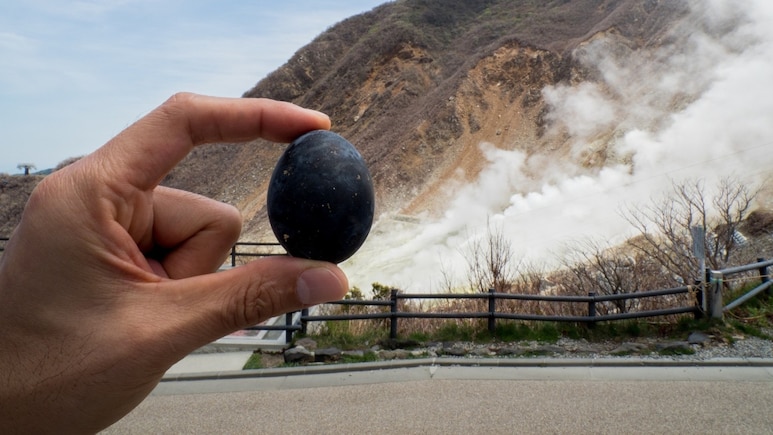
- Owakudani is a volcanic valley in Hakone, about 90 km from Japanese capital Tokyo
- The valley is volcanically active, with steam vents and sulphur gases creating a unique landscape
- Kuro-tamago are 'black eggs' boiled in hot springs, turning shells black due to mineral reactions
Japan has long mastered the art of pulling travellers beyond the obvious. Yes, Tokyo dazzles and Kyoto calms, but lately, visitors are increasingly curious about what lies outside the usual postcard circuit.
Volcanic valleys, rural rail stops and food traditions tied to folklore are having a moment. One such place quietly gaining traction is Owakudani, a steaming volcanic valley in Hakone where eggs turn black, sulphur hangs heavy in the air, and legend promises something wildly tempting: eat one egg and you live seven years 'longer'.
It sounds like folklore made for social media. And yet, Owakudani has been drawing curious visitors for centuries, long before Instagram Reels and bucket lists existed.
How To Reach Owakudani
Owakudani sits in the Hakone region, roughly 90 km from Tokyo, making it an easy day trip. The journey itself is part of the experience. From central Tokyo, travellers usually take a train to Odawara, followed by a scenic chain of local transport through Hakone. This includes mountain trains, cable cars and finally, the Hakone Ropeway, which glides directly over the volcanic valley.
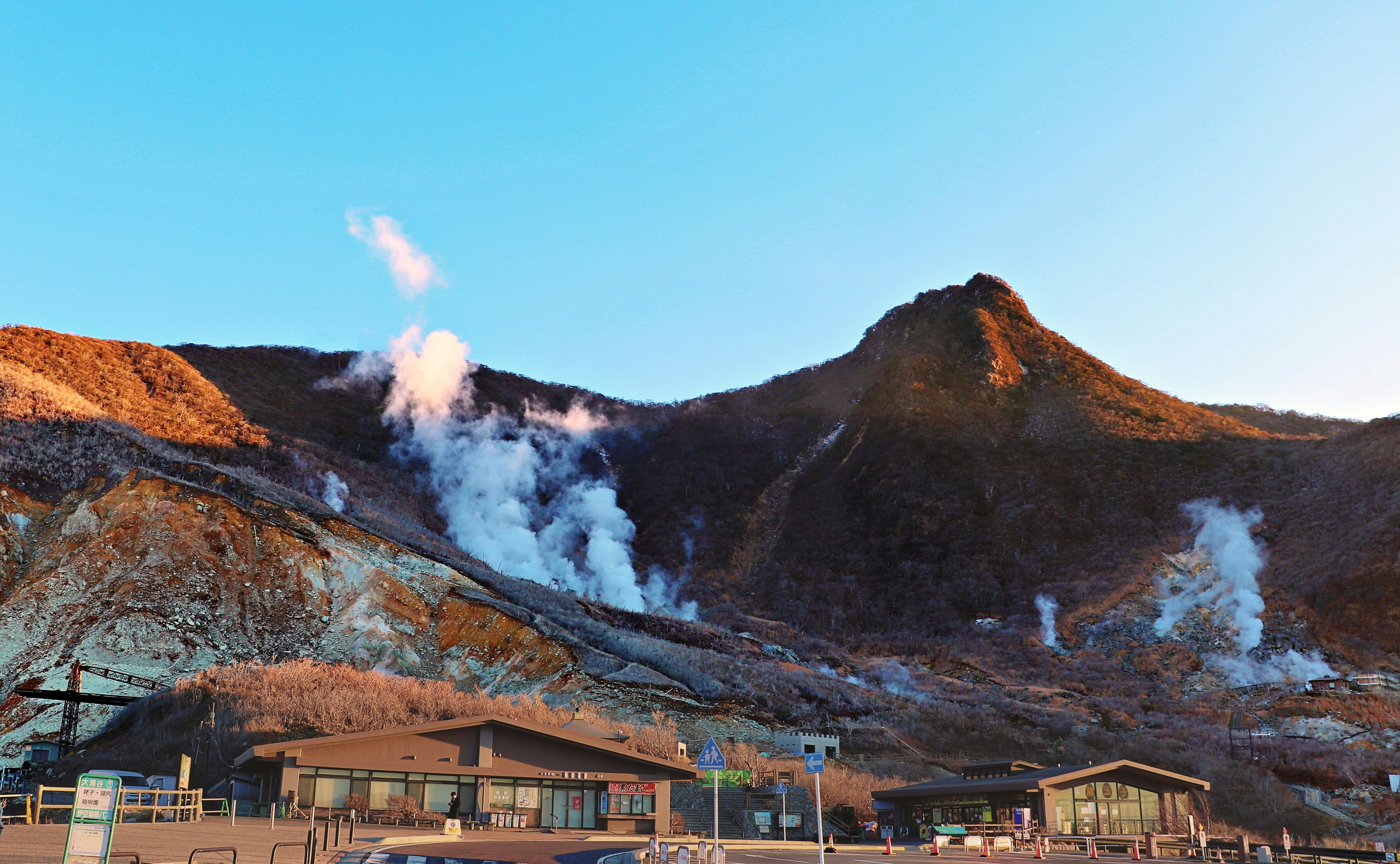
Owakudani sits in the Hakone region, roughly 90 km from Tokyo. Photo: Unsplash
As the ropeway approaches Owakudani Station, the landscape changes dramatically. Forested slopes give way to rocky terrain, white steam rising from cracks in the earth, and a faint smell of sulphur announcing that you have arrived.
What Makes Owakudani So Different
'Owakudani' translates to "Great Boiling Valley", and the name is not poetic exaggeration. Formed around 3,000 years ago after an eruption of Mount Hakone, the area remains volcanically active. The ground hisses, vents release hot gases, and clouds of steam drift constantly across the valley.
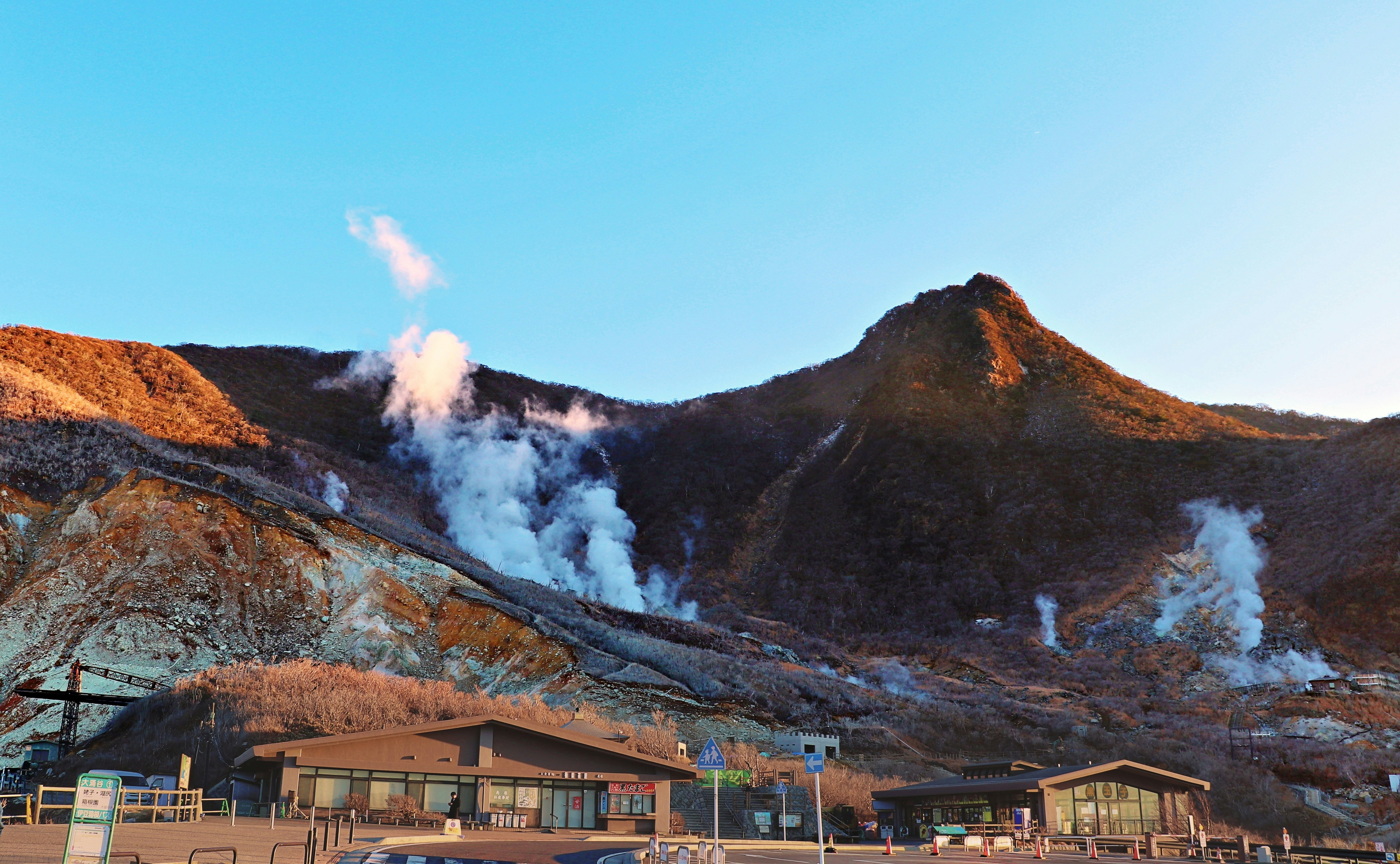
Owakudani translates to "Great Boiling Valley". Photo: Unsplash
This intense geothermal activity has earned Owakudani nicknames like Hell Valley or Death Valley. While that may sound ominous, it is precisely this raw volcanic energy that gives birth to the region's most famous export: the kuro-tamago, or black eggs.
The Black Eggs And How They Turn Black
Despite their dramatic appearance, the eggs start out as perfectly ordinary chicken eggs. They are boiled for about an hour in Owakudani's sulphur-rich hot springs, where minerals in the water react with iron in the eggshells. This chemical reaction turns the shells jet black, sometimes with a slightly rough texture.
The inside, however, remains completely normal. Crack one open and you will find a regular white egg, tasting much like any other hard-boiled egg, with only a faint sulphur taste that is far milder than the smell surrounding the valley.
The eggs are then lightly steamed and sold fresh at designated counters near Owakudani Station, most famously at the Kurotamago House. They are usually sold in small packs of four and are meant to be eaten there itself.
Why People Believe One Egg Adds Seven Years To Their Life
The legend surrounding the black eggs dates back over a thousand years and is tied to Kobo Daishi, also known as Kukai, a revered Buddhist monk and scholar from the Heian period. According to local lore, Kobo Daishi visited the harsh volcanic valley when it was considered dangerous and uninhabitable.
Moved by the suffering of locals living near toxic fumes and unstable land, he is said to have carved an Enmei Jizo statue, a guardian figure associated with longevity and protection. He encouraged people to eat eggs boiled in the hot springs, believing they would promote health and vitality.
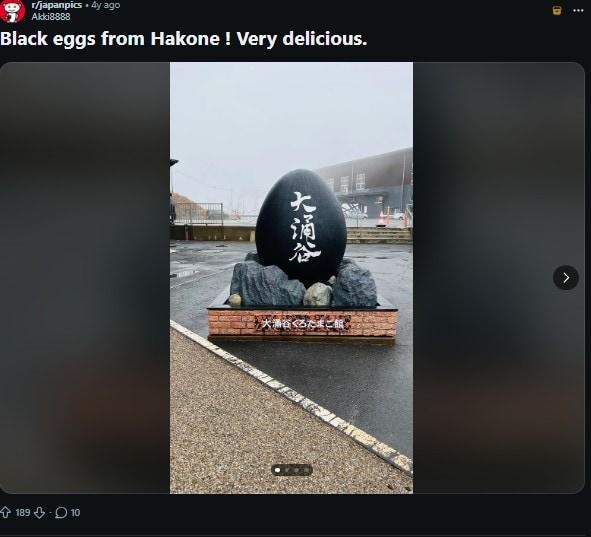
Over time, this evolved into the belief that eating one black egg adds seven years to your life. The number seven holds symbolic significance in Japanese culture, often associated with good fortune and spiritual completeness. While there is no scientific evidence behind the claim, the myth endured, passed down through generations and eventually becoming one of Hakone's most famous stories.
Traditionally, visitors are told not to eat more than two eggs. While the rules vary depending on who you ask, the idea is that longevity should not be rushed.
Culture, Curiosity And Why The Myth Survives
Part of the appeal lies in the setting itself. Eating a black egg while standing in a valley where the earth is literally breathing feels ritualistic, even to sceptics. Add a nearby shrine, rows of Jizo statues, and centuries of storytelling, and the experience becomes less about logic and more about participation.
For many Japanese visitors, eating a kuro-tamago is as much about tradition as belief. For international travellers, it is an edible story, one that connects food, landscape and folklore in a single bite.
Remember
While Owakudani is a popular tourist destination, it is also an active volcanic zone. The area is closely monitored, and authorities occasionally restrict access due to increased gas emissions, landslide risks or seismic activity. Certain walking paths may close without much notice, and the ropeway can be suspended during alerts.
Visitors are advised to follow all safety instructions, avoid venturing off marked paths, and check local advisories before planning a visit. Those with respiratory issues should take extra caution, as sulphur gases can be strong on some days.
Also Read | Why Japan Saw A Record 3 Lakh Indian Travellers In 2025, In 80% Rise Since Pre-Covid Numbers
Track Latest News Live on NDTV.com and get news updates from India and around the world
