
Walk into a supermarket today, and you are likely to spot the words 'High Protein' almost everywhere.
Protein cookies, protein bars, protein chips, protein cereals and even protein-packed desserts are fighting for space on the shelves. For many consumers, the message seems simple: more protein equals healthier food.
But is it really that straightforward?
A cookie that proudly announces '20g Protein' on its packaging can still contain considerable amounts of sugar, fat, calories, sodium or artificial sweeteners.
This is where the 'health halo effect' comes in. Nutrition experts say that one positive claim on a food packet can influence how we perceive the entire product, making us pay less attention to everything else on the label.
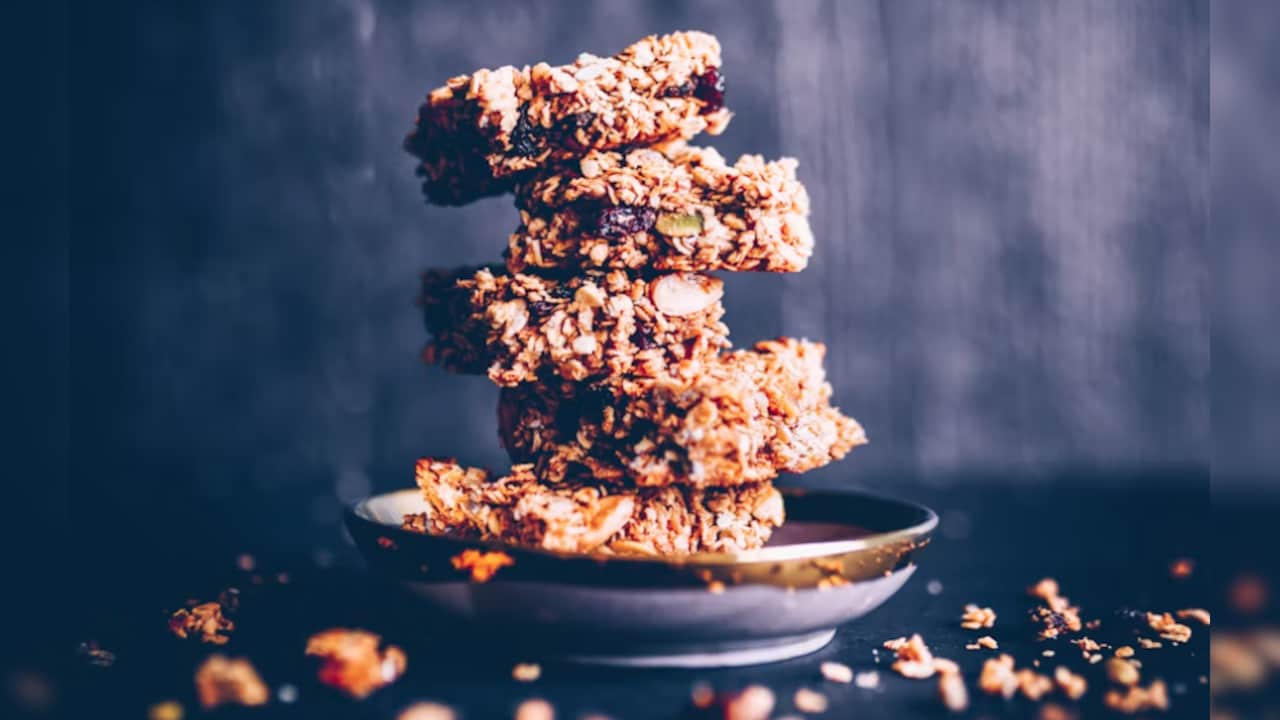
Are protein bars actually good for your health? (Photo: Unsplash)
Why Protein Has Become The Star Nutrient
There is a good reason protein has become such a popular buzzword. Clinical Nutritionist Varushi Lunawat says protein is a vital macronutrient that helps build and repair muscles, strengthens the immune system and keeps us full for longer.
"Now most of us are aware that protein is a vital macronutrient which builds and repairs muscles, strengthens our immune system, keeps us full for long hours and hence helps in weight loss, and has many other important roles in the human body. Today's world understands this, which is actually great," she told NDTV.
However, she believes the growing focus on protein has also created an opportunity for brands to market products as healthier simply by highlighting their protein content.
"But there is always something new trending in the health and fitness industry, and currently it's the high-protein diet. Every other person and influential figure is talking about high-protein diets, protein goals and everything related to protein, which I agree is very vital, just like other macro and micronutrients," Lunawat said.
According to her, the problem begins when consumers start chasing the 'high protein' label rather than looking at the food as a whole.
"But as the high-protein trend has taken over, people are just looking for high-protein labels or anything that says it is high in protein, and that's when the marketing industry comes in. They do aggressive marketing, making food appear healthier simply because it is labelled as 'High Protein'," she said.
"Brands know well that they only have to highlight the 'protein content' on the packaging, which might actually have a bare minimum amount of clean protein and instead be filled with high amounts of sugar, refined carbs, unhealthy fats, sodium and empty calories," Lunawat added.
The Psychology Behind The 'Health Halo'
Ginni Kalra, Head Dietetics at Aakash Healthcare, told us that there is a psychological reason why the strategy works so well.
"Protein has become the nutrition world's golden child, and brands know it. The moment we see '20g protein' on a label, our brain files that product under 'healthy' even before we have looked at anything else. This is what nutrition psychology calls the 'health halo effect'," she said.
In simple terms, one healthy-sounding feature can make us assume that the entire product is healthy.
"One standout claim creates a positive impression that spills over onto the entire product, making us mentally discount the sugar, saturated fat or additives sitting right below it," Kalra explained.
And this is particularly relevant when it comes to snacks. A protein cookie, for instance, may still be a highly processed food containing plenty of sugar and calories. But because the packet prominently displays its protein content, consumers may mentally place it in a different category.
"Part of this is genuine science, as protein does support satiety, muscle repair and metabolic health. But marketers exploit that credibility. A cookie with 20g protein can still pack 15g added sugar and 300 calories, yet feels like a 'better' choice than a plain biscuit," Kalra said.
Her advice is simple: treat the claim on the front of the packet as only an introduction.
"Consumers need to treat front-of-pack claims as a headline, not the whole story. Always flip the pack and check the full nutrition panel before deciding," she said.
A High-Protein Label Is Not A Health Certificate
Richa Sharma, Chief Dietician at Yatharth Hospital, agrees that the words 'High Protein' have become particularly attractive to health-conscious consumers.
"Claims such as 'High Protein' have become highly appealing to today's health-conscious consumers, but simply looking at the protein content does not make a food product healthy," she told us.
Protein cookies, bars and snacks can contain other ingredients that consumers may not notice when they are focused on the protein number.
"Many protein cookies, bars and snacks can also contain significant amounts of sugar, fat, calories, sodium or artificial sweeteners," Sharma said.
She explains that prominently displaying something like '20g Protein' can draw attention towards that one nutritional benefit while the rest of the label gets ignored.
"When '20g Protein' is prominently displayed on the front of the package, consumers may focus on this one positive nutritional attribute while overlooking the product's overall nutritional profile," she said.
That does not mean protein-rich packaged foods are automatically bad. Instead, Sharma says consumers need to look beyond a single number.
"Therefore, consumers should not rely solely on front-of-pack claims and should carefully read the nutrition label before making a choice. Protein is certainly an important part of a balanced diet, but the overall quality of a food product depends on its complete nutritional composition."
So, what should shoppers actually look at? Sharma recommends checking the amount of sugar, calories, fat and fibre, along with the ingredient list.
"When choosing healthier options, consumers should consider not just protein, but also sugar, calories, fat, fibre and the ingredient list. A high-protein label should be viewed as one piece of information, not a guarantee that the product is healthy," she added.
Don't Let One Number Make The Decision
Lovely Singh, dietician at Asian Hospital, describes 'High Protein' as a health halo for packaged foods.
"'High Protein' has become a health halo for packaged foods, with consumers viewing a product as healthier simply because it touts its high protein content," she said.
The large, bold protein number on a cookie, bar or snack can grab attention almost immediately.
"When people see a claim like '20g protein' in large, bold letters on a cookie, bar or snack, that positive claim immediately grabs their attention. This may create an impression that the product is automatically good for them, while other nutritional information on the label may be significantly less noticed," Singh explained.
Like the other experts, she stresses that protein itself is not the problem.
"Protein is a key nutrient. It helps with muscle growth and repair, helps you feel full and helps you have a healthy metabolism, and it plays an important role in several functions in the body. But just because a packaged food contains a lot of protein, it doesn't mean it's healthy."
A protein bar or cookie can still be high in added sugar, saturated fat, calories, sodium or artificial sweeteners. And the health halo can even encourage people to eat these products more frequently because they believe they are better than conventional snacks.
"Some consumers may eat these products on a regular basis because they believe them to be healthier than traditional snack foods," Singh said.
So, What Should You Do Before Buying?
The answer is not to avoid protein or automatically reject every product carrying a 'High Protein' label. Instead, experts recommend looking at the bigger picture.
Singh advises consumers to check the nutrition panel for added sugar, saturated fat, sodium and total calories, as well as the complete ingredient list.
"Where the protein comes from and what other ingredients have been added to boost the protein content are just as important," she said.
Her advice is perhaps the simplest way to look at the entire high-protein trend: "You should never judge a product by its protein content alone. The real question should be, what else am I eating that protein with?"
Lunawat also urges consumers not to blindly follow the latest health and fitness trend.
"My message to all the readers is: please do not follow any trend blindly or purchase anything with half the nutritional information. Educate yourself, read the labels, discuss with certified experts which sources of food are healthy, or read the correct information from genuine sources available online and offline," she said.
She also cautioned consumers against accepting every health claim they see on social media.
"Don't fall directly for the words of any influential person or every other person speaking on social media with little or false information. And understand the basic fact that every nutrient has a very important role in keeping our body healthy and fit. Our bodies cannot function on a single nutrient."
ALSO READ: Spirulina Is Trending For Its High Protein Content. Is It Worth The Hype?
Track Latest News Live on NDTV.com and get news updates from India and around the world
