
Nowadays, Instagram seems to have a natural fix for everything. Need clearer skin? Try a face mask made with ingredients from your kitchen. Can't sleep? Make a sleepy mocktail. And now, if your hair is falling or thinning, social media has another solution: the humble black sesame seed.
Influencers are asking people to add 'kala til' to their daily diets, with recipes ranging from roasted sesame pastes and chutneys to laddoos. The pitch is simple: eat black sesame regularly and, supposedly, watch hair fall reduce, and hair become thicker, stronger and more lustrous.
But is there any science behind the latest hair-health trend, or is this another case of Instagram turning a nutritious food into a miracle ingredient?
From Ancient Crop To Everyday Kitchen Staple
Black sesame may be having a social media moment, but the seed itself is anything but new.
Sesame has been cultivated in the Indian subcontinent for thousands of years, with archaeological evidence tracing its use back to the Harappan period. Historical research also records references to 'til' in the Atharvaveda, while the seed and its oil became part of Indian food, traditional medicine, rituals and festivals over centuries.
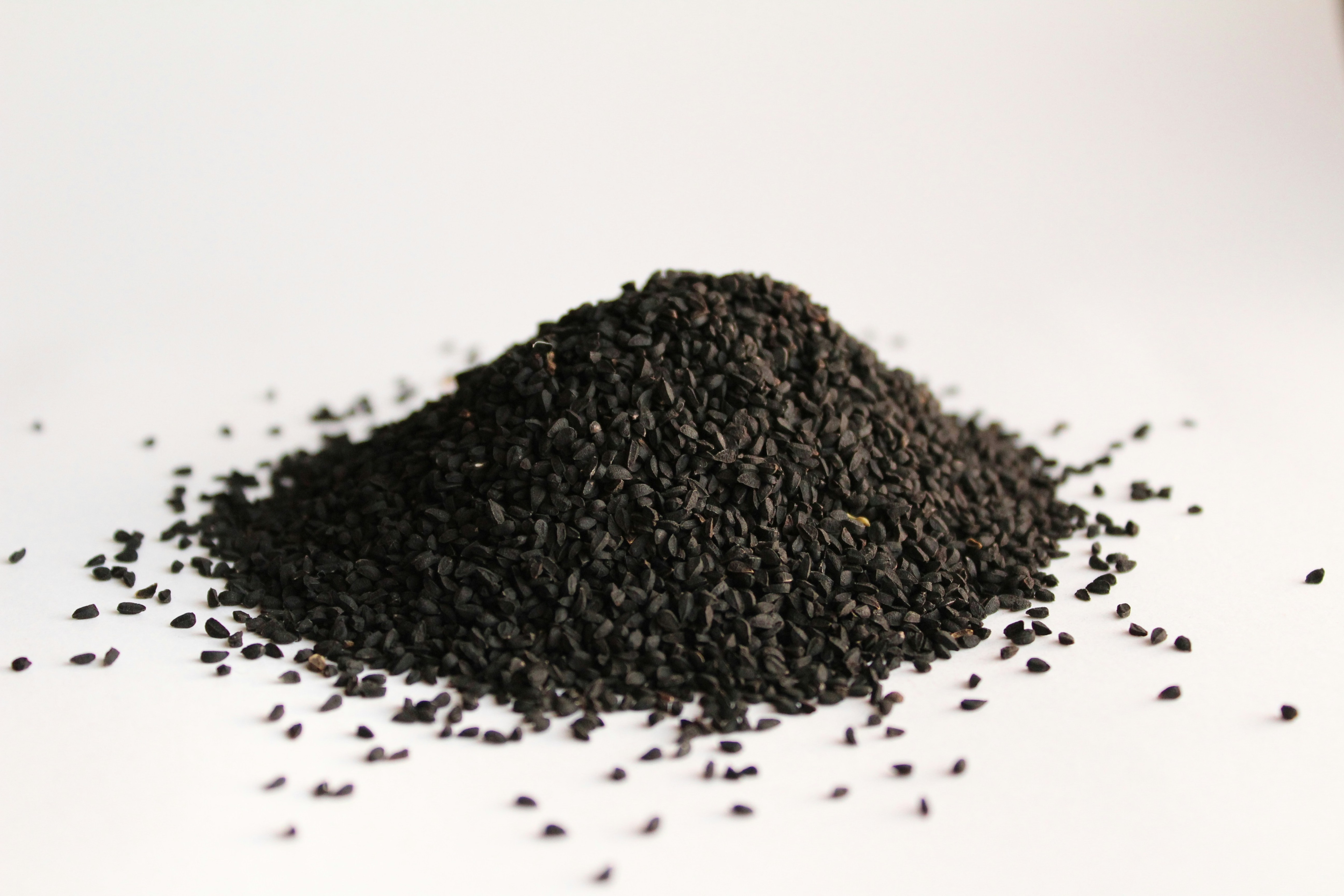
Black sesame may be having a social media moment, but the seed itself is anything but new. Photo: Unsplash
In Indian kitchens, sesame gradually found its way into both everyday cooking and festive foods.
Black and white sesame are used in chutneys, spice mixes, tempering and sweets, while sesame oil has long been used for cooking in parts of the country. From til laddoos and gajak around Makar Sankranti to regional preparations, the tiny seed has been less of a wellness trend and more of a familiar kitchen staple.
Which makes the current Instagram obsession slightly ironic. What is now being packaged as a new "hair hack" has been sitting in Indian kitchens for generations. The question, however, is whether its long history as a nutritious food also means it can actually tackle hair fall. That is where the experts have a few caveats.
Black Sesame 'Isn't A Hair-Loss Treatment'
The short answer from trichologists and nutrition experts is that black sesame can certainly be part of a healthy diet. Still, there is not enough clinical evidence to show that eating it directly stops hair fall or regrows hair.
Dr Nidhi Singh, Senior Consultant, Dermatology, Gleneagles Chennai, says black sesame seeds provide healthy fats, protein and micronutrients that support overall health, including hair health. However, "there isn't enough clinical evidence to say they directly stop hair fall or regrow hair".
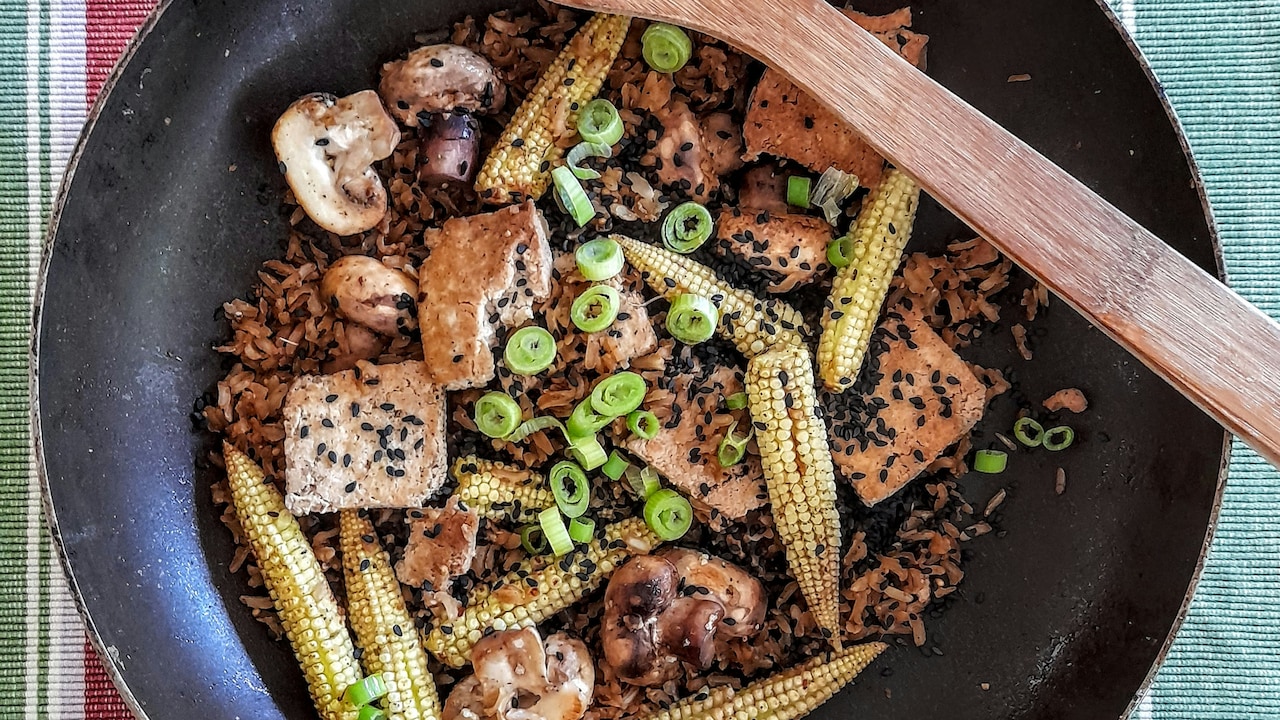
Black sesame can certainly be part of a healthy diet. Photo: Unsplash
Dr Pratyaksha Bhardwaj similarly points out that while black sesame seeds contain healthy fats, protein, fibre and minerals, healthy hair requires a combination of nutrients, including adequate protein, Iron, Zinc and Vitamin D.
So, adding sesame to your diet can contribute to good nutrition, but it cannot replace treatment for an underlying hair-loss problem.
Why Has Black Sesame Become A Hair-Health Favourite?
The real appeal comes from what these tiny seeds contain. Black sesame provides protein, healthy fats and minerals such as iron, zinc and copper, all of which have roles in normal bodily functions.
Dr Ajay Rana, Founder & Director, ILAMED, and President of the Indian Society of Aesthetic Medicine (ISAM), says sesame can be a useful nutritional addition, particularly because hair follicles require adequate nutrition to maintain their growth cycle.
But there is an important distinction between supporting nutritional health and treating hair loss.
"The fact that a food contains a nutrient does not make it a cure for nutritional deficiency," Dr Rana explains.
In other words, if someone's hair shedding is partly related to inadequate nutrition, improving the overall diet and correcting an actual deficiency can help. But eating more black sesame does not automatically mean more hair growth.
Can Sesame 'Block DHT'?
This is where some of the viral claims get ahead of the science.
Social media posts often link sesame with DHT, a hormone involved in androgenetic or pattern hair loss, and suggest that consuming black sesame can block DHT and restart hair growth.
Dr Rana says current evidence does not support these claims. Sesame contains plant compounds such as sesamin that have been investigated for potential biological effects, but preliminary experimental findings cannot establish that eating black sesame produces the same effects in humans.
Similarly, black sesame contains copper, which is involved in melanin production and therefore hair pigmentation. But that does not mean eating extra sesame can reverse grey hair, according to experts.
So, How Much Black Sesame Should You Eat?
There is no need to turn your breakfast into a bowl of black sesame.
Dr Singh suggests around 1-2 tablespoons a day, which can be added to regular meals, chutneys, salads or yoghurt.
Dr Bhardwaj also recommends around 1-2 tablespoons daily as part of a varied diet. The seeds can be roasted or ground and added to yoghurt, porridge, salads or smoothies.
No evidence that soaking the seeds gives them special hair-growth benefits. And if your Instagram feed is telling you to eat sesame laddoos every day for your hair, remember that turning the seeds into a sugary sweet does not make them a hair-loss treatment.
People with a sesame allergy should, of course, avoid them.
Is There A 'Best Time' To Eat Black Sesame?
"You can have them with any regular meal; consistency and overall dietary quality are more important than timing," says Dr Singh.
Dr Bhardwaj agrees that they can be eaten at breakfast, lunch, dinner or as a snack. Dr Rana also says there is no evidence that consuming them in the morning, at bedtime or on an empty stomach improves hair growth.
So, there is no need for another complicated morning ritual. Add them to a meal in a way that works for you.
If Your Hair Is Falling, Find Out Why
Experts say Hair fall is not one condition, and treating it with one food can mean overlooking the actual cause.
"Persistent hair fall can be linked to stress, nutritional deficiencies, hormonal issues, illness or genetics," says Dr Singh. She recommends identifying the cause rather than relying on a single food or home remedy.
Dr Rana adds that hair shedding can range from temporary shedding to progressive thinning or baldness, with each requiring a different approach. Around 50-100 hairs a day can be normal, but a sudden increase in shedding, a widening parting, receding hairline or visible bald patches are more useful warning signs.
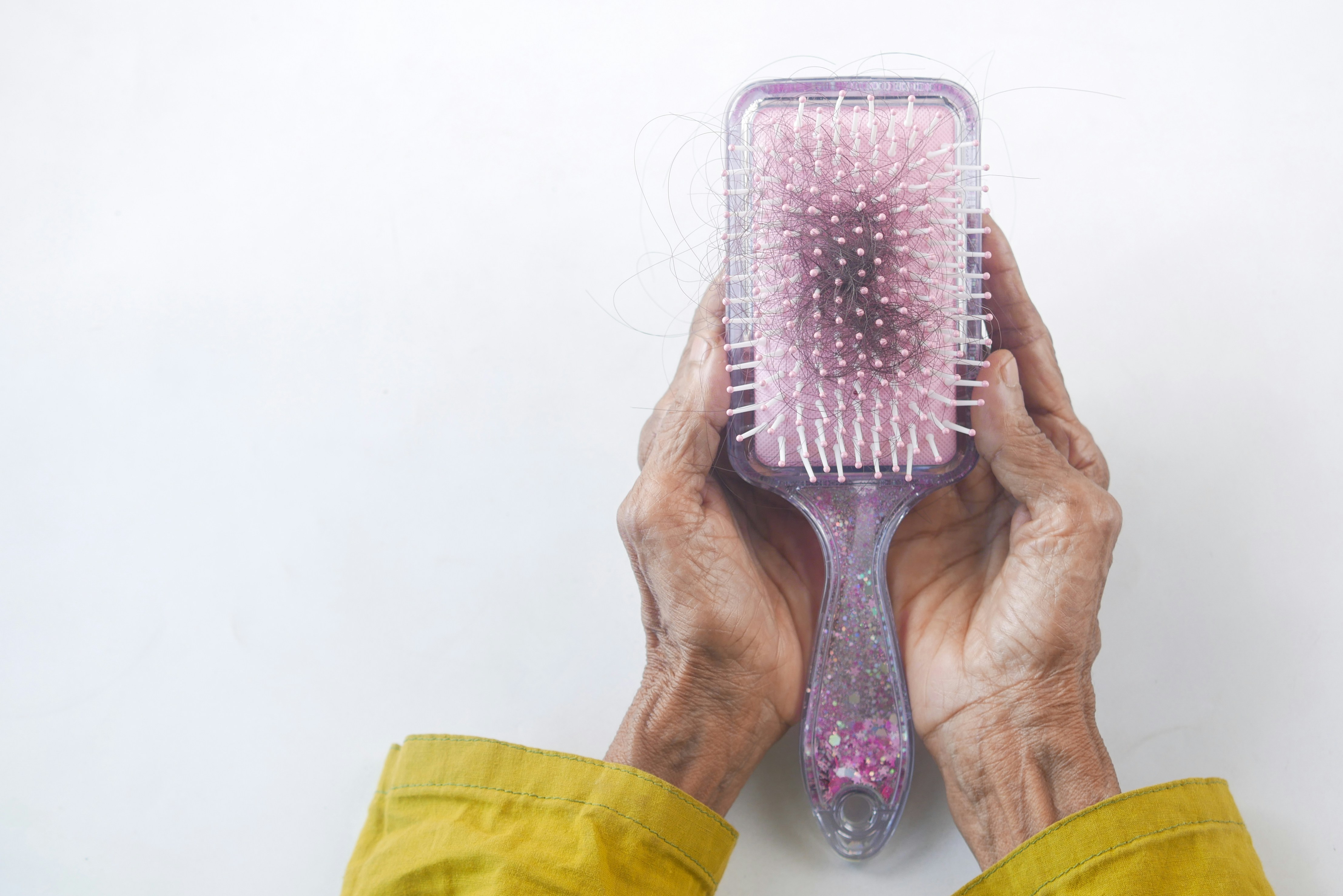
Experts say Hair fall is not one condition, and treating it with one food can mean overlooking the actual cause.
Temporary shedding, known as telogen effluvium, can happen a few months after an illness, fever, childbirth, surgery, significant stress or rapid weight loss. On the other hand, gradual thinning can be linked to a genetic pattern of hair loss, where early treatment can be beneficial.
What Actually Helps With Hair Health? Experts Answers
A healthy diet remains important, but it should extend far beyond one trending ingredient.
Dr Bhardwaj recommends adequate protein and nutrients such as iron, zinc and vitamin D, while cautioning against crash diets and extreme calorie restriction, both of which can contribute to hair loss.
Basic hair care matters too. Experts recommend being gentle with the scalp and hair, limiting excessive heat and chemical processing, and avoiding hairstyles that pull tightly on the hair.
If shedding is sudden, persistent or accompanied by visible thinning, bald patches, scalp pain, redness or scaling, it is worth seeing a dermatologist. Depending on the history and examination, tests for things such as iron status, thyroid function or other nutritional deficiencies may be considered.
For pattern hair loss, treatments such as topical minoxidil have established evidence and may be recommended by a doctor. Some people may also require prescription treatments under medical supervision.
The Bottom Line
Black sesame deserves a place in the diet, but not the starring role Instagram has given it.
It can provide useful nutrients that support overall health and, indirectly, healthy hair. But there is currently no good clinical evidence that black sesame alone can stop hair fall, reverse baldness, prevent grey hair or dramatically increase hair growth.
Track Latest News Live on NDTV.com and get news updates from India and around the world
