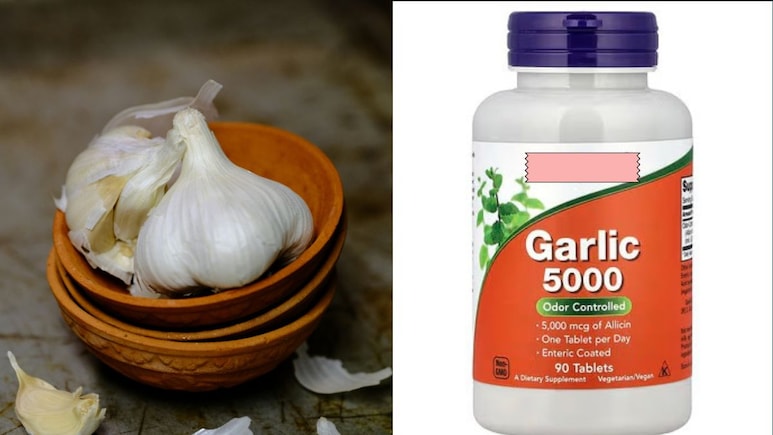
Garlic has long been praised as a natural remedy for everything from colds to cholesterol. Now, instead of crushing cloves into your dal, many people are turning to capsules and oils promising similar benefits without the strong smell.
But do garlic supplements genuinely improve your health, or are they simply a convenient wellness add-on? Here's what experts and science say.
What Are Garlic Supplements, Really?
Garlic supplements are concentrated forms of garlic sold as capsules, tablets, oils, powders, or aged extracts.
Drishya Ale, Dietician at Paras Health, Gurugram, explains, "Garlic supplements are simply concentrated forms of garlic available as capsules, tablets, powders, or aged extracts. They contain active natural compounds like allicin, which are thought to have antioxidant and anti-inflammatory properties."
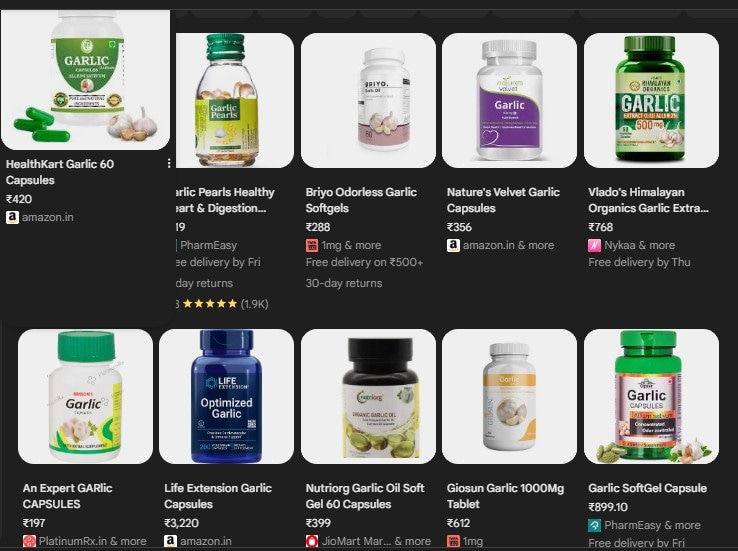
Garlic supplements are available in India.
Dr Pratyaksha Bhardwaj, dietitian and weight management expert, describes them as "concentrated garlic products which people can obtain in capsule or tablet form," adding that "the supplements contain bioactive compounds which include allicin that provides antioxidant and metabolic-support properties."
Dr Simrat Kathuria, celebrity dietician and nutrition consultant
How Much Do They Cost?
Garlic supplements are available across price points in India. Some commonly available products include:
- Solgar Garlic Oil Pearls - Rs 2,099
- Life Extension Garlic Capsules - Rs 3,220
- Garlic Pearls Healthy Heart & Digestion Capsules (Bottle of 100) - Rs 119
- HealthKart Garlic 60 Capsules - Rs 420
Higher prices often reflect branding, formulation type or aged black garlic extracts. However, there is no universal agreement on which format works best.
Can Garlic Supplements Help Your Heart?
Heart health is where garlic gets most of its attention, even on social media.
According to Dr Ale, "There is some evidence that garlic supplements can help reduce levels of LDL (bad) cholesterol and make a slight difference in blood pressure, which can be very helpful for the heart. However, the difference is usually not extreme and can vary from one individual to another."
Scientific reviews support this cautiously optimistic view. A 2013 meta-analysis found that daily garlic use reduced LDL and total cholesterol levels. Out of 39 clinical trials, 26 showed significant LDL reductions.
However, the reduction was modest, typically around 6 to 9 per cent, and not enough for garlic to be recommended as the sole treatment for high cholesterol. The effect also appears temporary, with cholesterol levels returning to baseline once supplementation stops.
Dr Bhardwaj explains its broader cardiovascular role, "Garlic pills can play a role in supporting your heart health by helping to keep your cholesterol in check and your blood pressure within a normal band."
Dr Kathuria adds, "According to some studies, garlic supplements can help improve heart health through their ability to reduce LDL cholesterol levels and their effect of lowering blood pressure. The effects of this treatment are limited but more effective when combined with healthy living practices."
So yes, helpful. Transformational? Not quite.
What About Gut Health?
Garlic contains natural prebiotic compounds that may support beneficial gut bacteria.
Dr Ale says, "From a gastrointestinal perspective, garlic contains natural prebiotic compounds that may support healthy gut bacteria. That said, in supplement form, it can sometimes irritate the digestive tract instead of helping it."
Dr Kathuria points out that "the use of supplements causes stomach irritation for people who have delicate stomachs."
In short, while garlic may support gut bacteria, it is not a primary treatment for digestive disorders.
Which Form Works Best?
Garlic is available as fresh cloves, powders, oils, extracts, and tablets.
A 2013 review suggested garlic powder produced consistent cholesterol-lowering results. A 2020 study examining allicin bioavailability found supplements delivered higher sustained allicin levels in the bloodstream compared to fresh garlic, which created a quick but short-lived spike.
Non-enteric-coated tablets performed well in maintaining allicin levels for hours.
Still, there are no formal guidelines for ideal dosage. Most cholesterol studies used between 500 to 1,000 mg per day.
Should You Add Garlic Supplements To Your Routine?
Not necessarily.
Dr Ale says, "Not all individuals require garlic supplements. Especially those who are already taking garlic as a regular component of their diet are unlikely to derive significant additional benefit from supplementation."
She adds, "Garlic supplements can be taken into consideration in certain conditions, such as mild elevations in cholesterol levels or mild hypertension, but only after consultation with a physician."
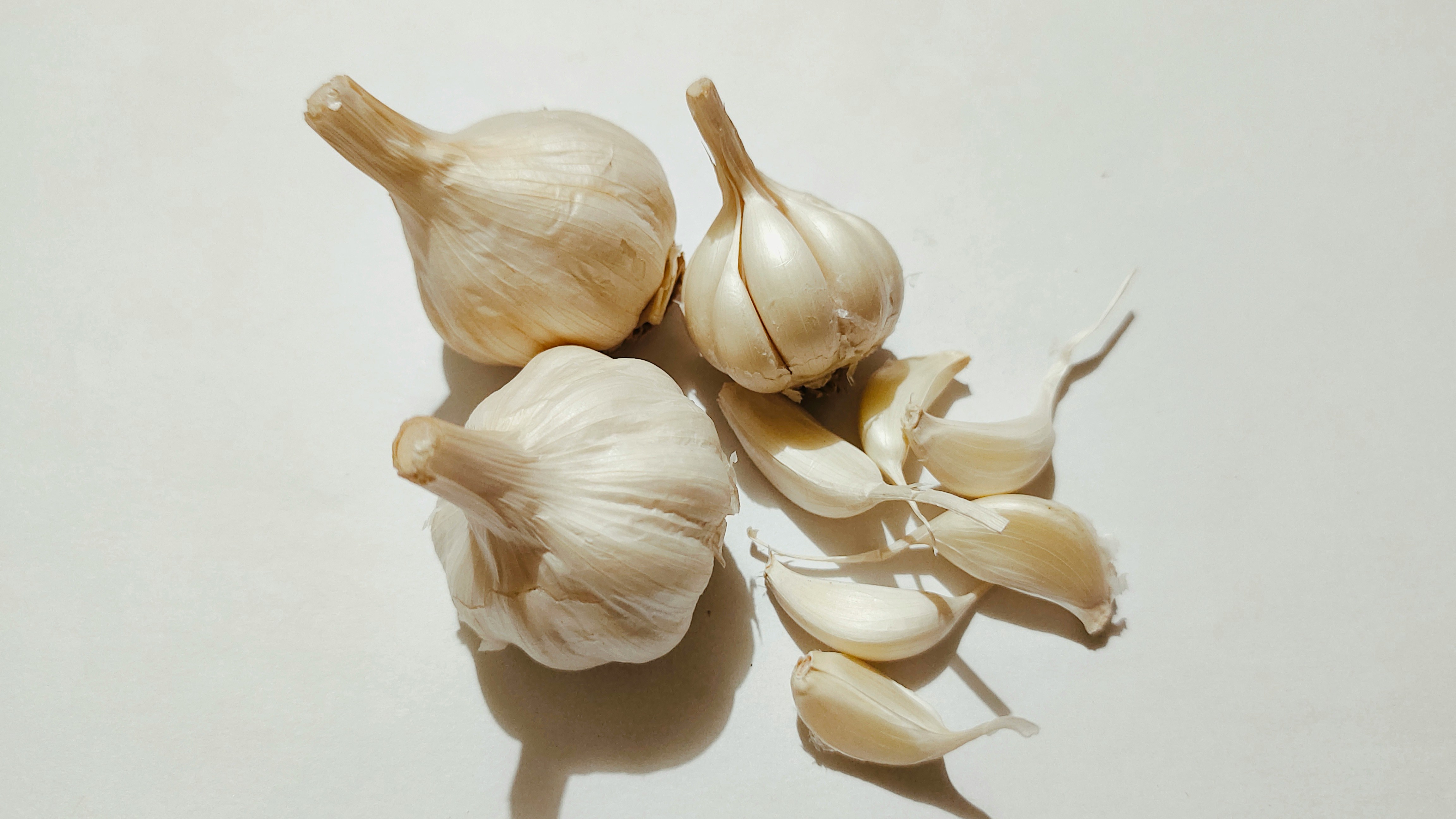
Garlic is available as fresh cloves, powders, oils, extracts, and tablets. Photo: Unsplash
Dr Bhardwaj emphasises lifestyle first, "People can manage their weight without taking garlic supplements. The main focus for fat loss and body composition changes requires people to maintain their protein needs and their hydration needs while following their training program."
Dr Kathuria is equally cautious, "People should take garlic supplements only when doctors recommend them as essential for their health needs."
The consensus is simple: supplements are optional, not essential.
Are There Side Effects?
Garlic supplements are generally safe but not risk-free.
Common side effects include:
- Acidity
- Bloating
- Nausea
- Heartburn
- Gas
- Strong breath and body odour
More importantly, garlic has mild blood-thinning properties. This increases bleeding risk, particularly in people taking anticoagulants such as warfarin, certain HIV medications, cyclosporine, isoniazid or nonsteroidal anti-inflammatory drugs.
People scheduled for surgery, including dental procedures, should stop taking garlic supplements beforehand under medical supervision.
Dr Bhardwaj warns that higher doses can disrupt exercise routines by causing digestive discomfort. Dr Kathuria emphasises that natural does not always mean harmless.
The Bottom Line
Garlic supplements can modestly support heart health and may offer some gut and metabolic benefits. However, they are not a cure for high cholesterol, heart disease or digestive disorders.
Taking it in supplement form does not replace a balanced diet. At best, it can play a supportive role and should not be seen as a cure or main treatment for any medical condition.
If your diet already includes garlic, you may not need a capsule at all. And if you are considering one for cholesterol or blood pressure, speak to a doctor first.
Track Latest News Live on NDTV.com and get news updates from India and around the world
