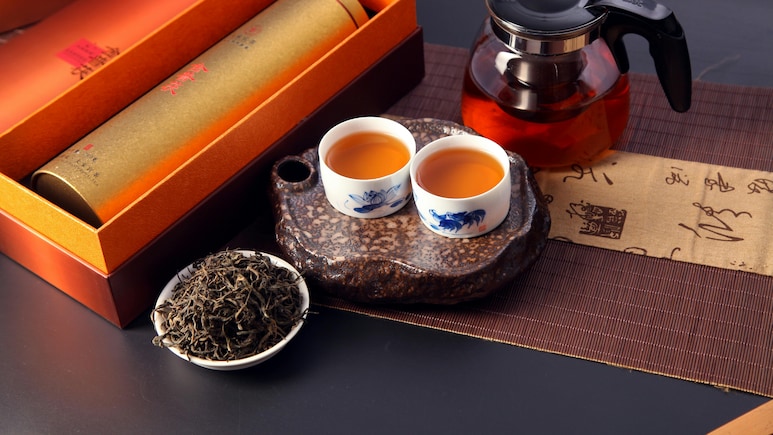
- GABA tea is enriched with gamma-aminobutyric acid to promote relaxation and reduce anxiety
- It undergoes anaerobic fermentation to increase GABA levels up to 150 mg per 100 grams
- Studies show GABA tea may reduce stress, improve sleep, lower blood pressure, and boost mood
It sounds like something out of a wellness influencer's dream routine: a cup of tea that promises to calm your nerves, help you sleep better, and even soften the blow of last night's drinks.
Enter GABA tea, a niche but increasingly popular brew that's quietly making its way from East Asian tea culture into global wellness conversations.
But what exactly is it, and does it live up to the hype?
What Is GABA Tea, Really?
GABA tea is a specially processed variety of tea, usually oolong, green, or black, that's enriched with gamma-aminobutyric acid (GABA). This compound is a naturally occurring neurotransmitter in the brain, known for its calming, inhibitory effects on the nervous system.
In simple terms, GABA helps slow things down. It reduces neuronal excitability, which is why it's often linked to relaxation, reduced anxiety, and better sleep.
Unlike regular tea, which contains only small amounts of GABA, this version is specifically engineered to boost those levels significantly.
How Is It Made?
The magic lies in its production process, which is quite different from your everyday chai or green tea.
GABA tea undergoes something called 'anaerobic fermentation' in a nitrogen-filled chamber. This oxygen-free environment converts glutamic acid present in tea leaves into GABA, without significantly altering the tea's caffeine or catechin content. The technique was first developed in Japan in 1984.
To qualify as GABA tea, it must contain at least 150 mg of GABA per 100 grams, compared to just 5 to 10 mg in regular tea. The leaves themselves are often tightly curled and darker, a visual cue of this unique processing.
Why Is Everyone Talking About It?
The buzz around GABA tea largely comes down to its potential health benefits. It's often described as a "neuro-nutraceutical", a fancy way of saying it may support brain health and overall well-being.
Some of the commonly claimed benefits include:
- Reduced stress and anxiety
- Improved sleep quality
- Lower blood pressure
- Better mood
- And yes, even easing hangovers
The hangover claim, in particular, has caught attention. The idea is that by calming the nervous system and possibly aiding better sleep and hydration habits, GABA tea might help the body recover more comfortably after alcohol consumption. That said, it's not a cure, more like a gentle assist.
What Does Science Actually Say?
There is some promising research, though it's important to keep expectations grounded.
A 2019 randomised study on university students found that GABA-fortified oolong tea significantly reduced immediate stress levels and improved heart rate variability (HRV), a key marker of relaxation. Interestingly, the effects were stronger than those seen with regular oolong tea.
Another clinical trial observed improvements in diastolic blood pressure and increased alpha brain wave activity, which is associated with a relaxed but alert mental state, after 28 days of consuming GABA oolong tea.
There's also research suggesting potential mood benefits. Animal studies on GABA-enriched green tea have shown antidepressant-like effects, possibly due to its combined content of GABA, polyphenols, and theanine. These compounds appear to reduce oxidative stress and influence GABA receptor activity in the brain.
However, most of this evidence comes from small human trials or animal studies. Larger, long-term, placebo-controlled studies are still needed to confirm these effects conclusively.
Different Types Of Teas
Yes, and they mostly depend on the base tea used.
- GABA oolong tea (especially from Taiwan) is the most well-known
- Japanese "Gabaron" is a green tea variant
- There are also GABA black teas, though less common
Each type has a slightly different flavour profile, ranging from lightly floral to more roasted and nutty, but all share that underlying smoothness often associated with oolong-style teas.
Is It Safe?
For most people, GABA tea appears to be safe when consumed in typical amounts.
Clinical studies report minimal side effects, and those that do occur are generally mild. These may include slight drowsiness, a small drop in blood pressure, or occasional digestive discomfort, mostly at higher doses.
However, there are a few caveats. GABA can interact with certain medications, particularly those for blood pressure or neurological conditions. It may enhance their effects, which could lead to excessive drowsiness or low blood pressure.
There's also limited data on long-term use, pregnancy, and breastfeeding, so caution is advised in these cases.
So, Should You Try It?
GABA tea sits somewhere between a traditional brew and a functional wellness drink. It's not a miracle fix, but it does have a credible scientific basis, especially when it comes to relaxation and mild stress reduction.
Track Latest News Live on NDTV.com and get news updates from India and around the world
