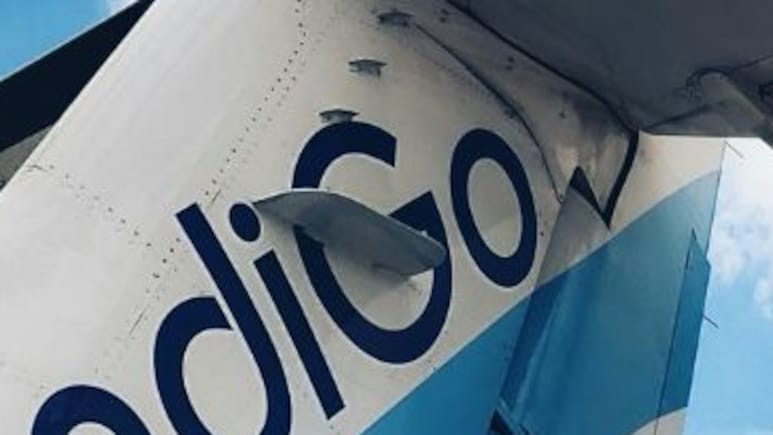
For almost a week now, IndiGo has dominated headlines for all the wrong reasons. From long delays to chaotic queues and mounting passenger complaints, the airline that once symbolised efficiency is suddenly on the defensive.
Social media has been flooded with videos of frustrated flyers, and travellers stranded for hours.
While IndiGo remains the country's largest airline with more than 60 percent market share, its current turbulence has reminded many of a pattern that India's aviation industry has seen again and again.
Airlines fly high, dominate headlines during their glory years, and eventually crash out of the sky once finances collapse, partnerships go wrong, or business models fail to adapt.
Over the past quarter century, nine Indian carriers have disappeared entirely, and each story reflects a shift in the mood and challenges of the aviation sector. These defunct airlines have also helped IndiGo capture more market share, further strengthening the brand's dominance in the Indian market.
Let's take a look at them:
1. Air Sahara
Long before IndiGo rewrote low-cost flying, Air Sahara was one of the big names in India's full-service aviation space. Founded in 1991, it expanded ambitiously across northern India and later to international destinations, operating Boeing 737s and Airbus A320s.
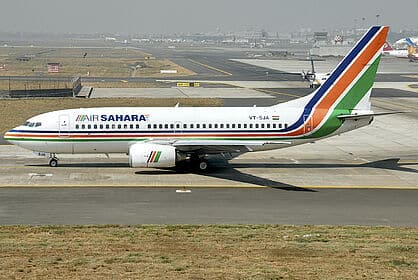
Air Sahara was established on September 20, 1991. Photo: Bobbymukherji.com
In April 2007, Jet Airways acquired it for Rs 1450 crore, rebranding it as JetLite. Both JetLite and Jet Airways collapsed together in April 2019, formally ending the Air Sahara legacy.
2. Air Deccan
In 2003, Air Deccan changed Indian travel forever. Captain G R Gopinath introduced a radical idea: anyone should be able to fly for the price of a train fare. With ATR 42 and 72 aircraft connecting smaller cities, Air Deccan became the airline of the common traveller. But finances could not keep pace with rapid expansion.
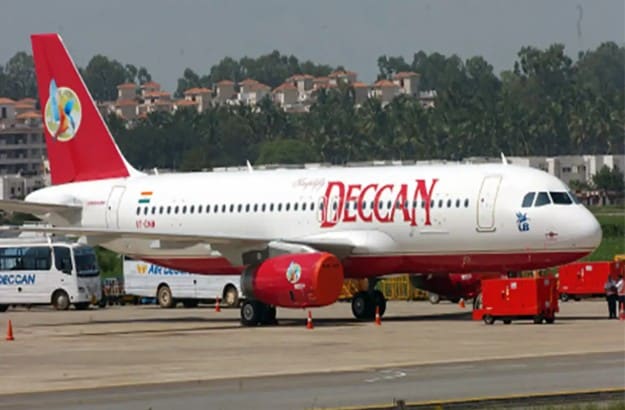
Air Deccan changed air travel forever. Photo: X
Kingfisher Airlines acquired it in 2008, renaming it Simplifly Deccan, and later Kingfisher Red. When Kingfisher collapsed, Air Deccan's identity disappeared wit
3. Paramount Airways
A lesser-talked chapter in Indian aviation, Paramount Airways offered a unique model when it launched in 2005: premium seats at competitive prices. With Embraer E170/190 aircraft and an all-business-class pitch, it targeted southern business travellers.
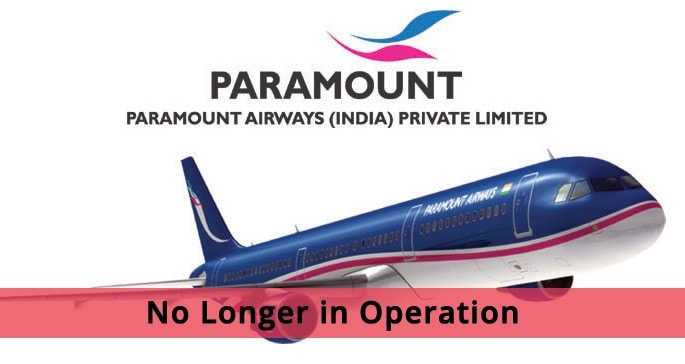
Paramount Airway's website.
However, legal disputes, unpaid dues, and financial mismanagement led to a licence suspension in 2010. The airline never returned to the skies.
4. Kingfisher Airlines
Perhaps the most dramatic fall in Indian corporate history. Launched in 2005 by Vijay Mallya, Kingfisher defined glamour in aviation with lounges, gourmet meals, and top-tier service. It expanded into international flying and absorbed Air Deccan.
Behind the luxury, however, the numbers were falling apart. High fuel prices, overspending, and inefficient fleet planning triggered a snowballing financial crisis. Salaries went unpaid, planes were grounded, and banks pursued dues exceeding Rs 7000 crore. Kingfisher's licence was suspended in October 2012, marking the end of its flamboyant era.
5. Jet Airways
For years, Jet Airways was the symbol of trust. Founded in 1993, it grew into India's premier private airline and acquired Air Sahara in 2007. As low-cost rivals increased pressure and debt spiralled out of control, Jet could no longer sustain operations.
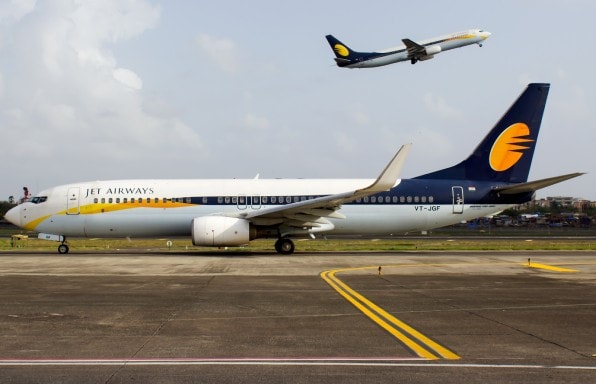
Jet Airways was founded in 1993. Photo: Jet Airways
In April 2019, all flights were halted. Despite several revival bids, nothing materialised. In November 2024, the Supreme Court ordered liquidation, officially closing the chapter of what was once India's most respected airline.
6. TruJet
Unlike earlier players, TruJet focused purely on regional connectivity. Launching in 2015 with ATR aircraft, the brand tapped into Tier-2 and Tier-3 travel demand. But pandemic-era losses and continued financial strain forced a shutdown in February 2022.
TruJet was launched with a foucs on regional connectivity. Photo: TruJet
Although investors have expressed interest in a revival with Airbus A320s, TruJet remains grounded for now.
7. Go First
Go First (previously GoAir) had survived aviation ups and downs since 2005. Its unexpected collapse in 2023 came after severe engine supply issues from Pratt & Whitney left over half its fleet grounded.
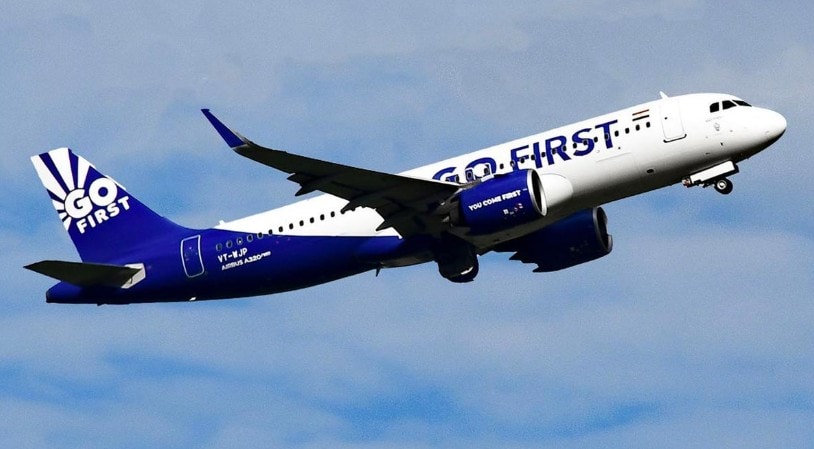
Go First, legally known as Go Airlines (India) Limited, was an Indian ultra-low-cost carrier
Mounting liabilities eventually crossed Rs 6521 crore. With no viable revival plan, NCLT (National Company Law Tribunal) ordered liquidation in 2025, ending yet another low-cost carrier story.
8. Vistara
Unlike the others, Vistara did not shut down due to losses. Launched in 2015 as a Tata Sons and Singapore Airlines partnership, it was one of the very few full-service airlines to gain steady loyalty and grow.
The brand officially ceased to exist in November 2024 when it merged into Air India after Tata's aviation consolidation, transferring its identity, fleet, and frequent-flyer programme under the Air India umbrella.
9. AIX Connect
AIX Connect (formerly AirAsia India) disappeared more quietly. After the Tata takeover of Air India, the group merged Air India Express and AIX Connect under the single Air India Express brand. As of 2024, the airline name AIX Connect no longer exists; its operations and aircraft are now part of the expanded Air India Express network.
India's aviation dreams have always been big. Yet history shows that survival requires more than ambition. High operating costs, volatile fuel prices, lean margins, regulatory pressure, and aggressive competition have made aviation one of the toughest industries to remain profitable in.
READ MORE: How IndiGo, A Low-Cost Airline, Became The Biggest Owner Of The Indian Sky
Track Latest News Live on NDTV.com and get news updates from India and around the world
