




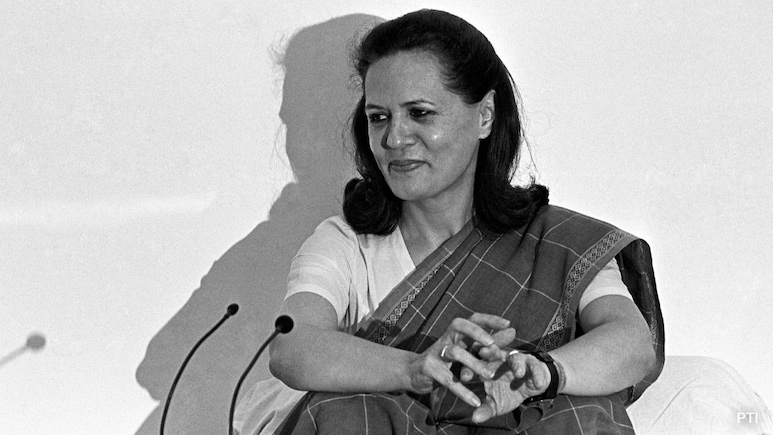
Twelve years and three months after she said she would write her own book so "everyone will know the truth", Sonia Gandhi's memoir has come out and hit back at one of two books that put her on the defensive in 2014. That was the year Narendra Modi and the BJP pushed the Gandhis-led Congress to a historic low.
In 'Belonging: A Journey of Love', her 544-page book released on Tuesday, November 10, she makes a mention of one of those two books. But she skirts mentioning the one that prompted her promise to write her own someday.
We will come to the one that is mentioned. But first, Natwar Singh.
It was former foreign minister Natwar Singh's book that made her tell NDTV on July 31, 2014: "The only way the truth will come out is if I write. I am serious about this."
Why She Says She Wrote It
The memoir's own account of how it came to be written does not recall the 2014 promise linked to Natwar Singh.
In the prologue, Sonia Gandhi writes that she was "often asked by friends and family to write down my experiences": "They pressed me, arguing that mine was an unusual story: of a girl from a small town in Italy transplanting herself to India, witnessing and later being part of landmark events and changes in the country. So much had been written about me, they insisted, but the real person they knew was nowhere in any of those writings."
She adds, "I brushed away the idea. But as the years went by, the chorus persisted until I thought that they could be right; perhaps I did have a story worth sharing."
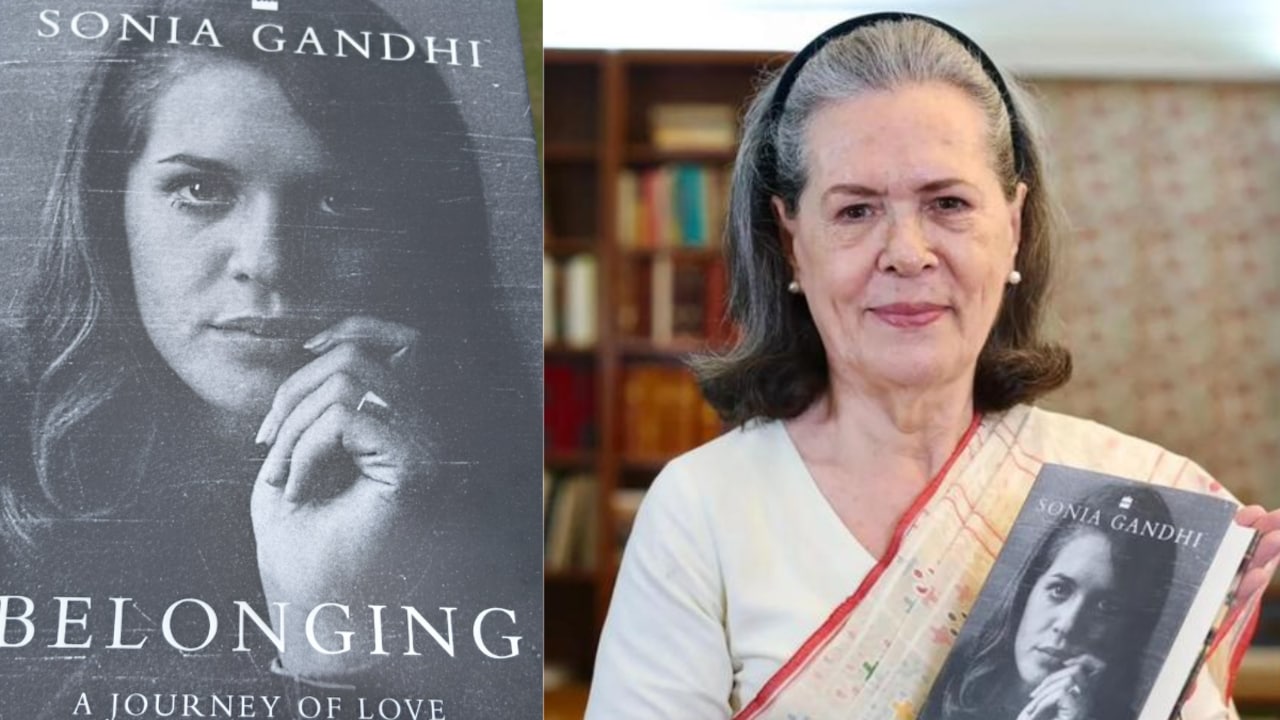
Sonia Gandhi's 'Belonging' came out on November 10. Her son Rahul Gandhi has said he's delighted the world is getting to his mother's story in her own words.
Read | 1984 Intelligence Alert Pulled Rahul, Priyanka Out Of School: Sonia Gandhi
She further writes that some of the writing required respecting privacy, and thus, "In the end I chose to write a personal memoir, one for which politics is the background, a kind of framework. It took me a long time, writing and rewriting, with many breaks in between. And here it is -- my own story."
In the acknowledgements, she credits her friend Manjulika Dubey for pushing her, and recalls telling her on several occasions "over the years of this writing" that "I can't write another word!" and "Why on earth did I get into this?!"
She thanks veteran journalist Suman Dubey, Manjulika Dubey's husband, as well.
Suman Dubey was a major character in Natwar Singh's story too, the story that prompted Sonia Gandhi to say she'd tell her "truth" someday.
What Natwar Singh Claimed
Natwar Singh's claims came via his memoir 'One Life Is Not Enough', and concerned Sonia Gandhi's milestone moment in 2004, when she turned down the PM's post.
In her own book, she writes that she feared the BJP and its allies "would for certain use my 'foreign origin' as an issue" if she accepted.
Natwar Singh, a longtime insider who had to leave Manmohan Singh's cabinet in 2005 over corruption allegations, had said Sonia turned down the PM's post not because of an "inner voice", but because her son Rahul feared she would be assassinated like his father Rajiv Gandhi and grandmother Indira Gandhi. "Rahul is a strong-willed person; this was no ordinary threat. He gave Sonia 24 hours to decide," Natwar Singh wrote.
Sonia Gandhi's 'Belonging' confirms a part of that account. But she places the decision firmly with herself.
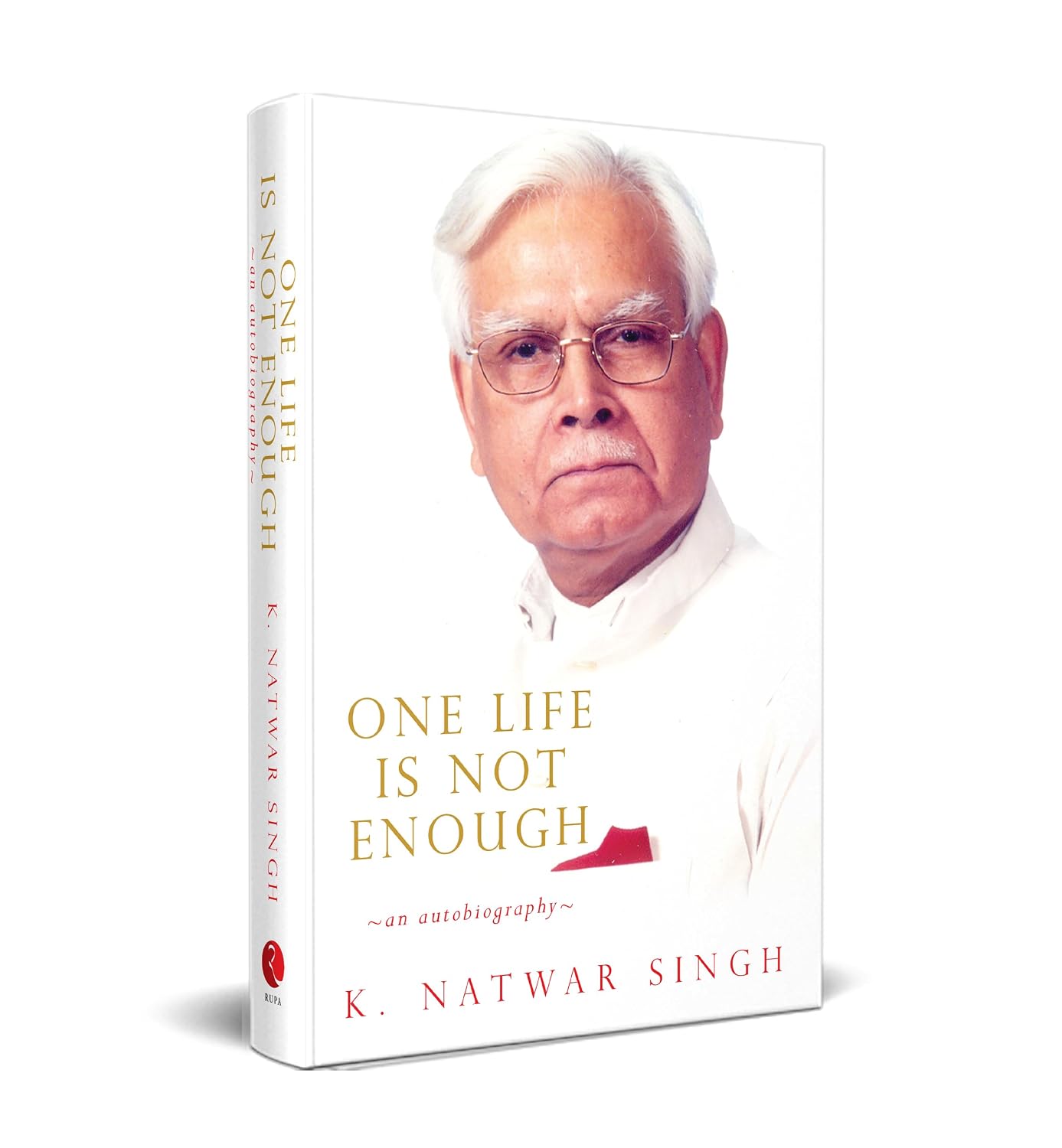
Natwar Singh was a diplomat-turned-politician and a Gandhi family insider who later fell out with the party. Photo: Amazon
Read | "Genocide A Footnote For Congress": Harsimrat Badal Slams Sonia Gandhi Memoir
She writes that, months before the election, one of her children asked whether she would accept the post if the Congress won. "'Absolutely not!' I'd said, almost indignantly... Neither Rahul nor Priyanka felt that I should become prime minister. They'd lived through the trauma of their grandmother's assassination and the brutal murder of their father. In their minds, holding that office was intrinsically linked with heightened danger," she writes.
The book records that when the Congress's UPA allies surrounded her at 10 Janpath, after more than an hour of persuasion, she'd mumbled "Theek hai" ("All right").
"'You said yes?' thundered Rahul," the memoir says. "'Pressurised? You are being pressurised?' he demanded. 'What about us?' He stormed off, his face clouded with anger," writes Sonia.
There is indeed the angle of Rahul's anger that Natwar also mentioned. But Sonia Gandhi's account mainly credits her "inner voice" that Natwar had disputed.
Natwar Singh had described a meeting in which Priyanka Gandhi Vadra conveyed her brother's opposition. "Manmohan Singh, Suman Dubey, Priyanka and I were present at that moment," he wrote.
Sonia Gandhi does not mention any such meeting.
Veteran journalist Suman Dubey appears in her book, too, as a friend who told her that evening in 2004, "Don't do it."
There's no mention, though, of Natwar Singh's claim that Sonia Gandhi and Priyanka Gandhi Vadra visited him in May 2014 to ask that the episode be left out of his book.
A Rebuttal Not So 'Accidental'
The book that Sonia Gandhi does rebut is Sanjaya Baru's 'The Accidental Prime Minister: The Making and Unmaking of Manmohan Singh', published in April 2014, in the middle of the Lok Sabha election campaign that brought Modi to power.
It was turned into a 2019 film starring Anupam Kher as Manmohan Singh.
Sonia Gandhi does not name Baru, a former newspaper editor who served as Manmohan Singh's media adviser, but she calls the allegations in his book "malicious and totally false".
Baru, who worked in the prime minister's office (PMO) from 2004 to 2008, portrayed Manmohan Singh as a prime minister whose authority was undermined by Sonia Gandhi. He wrote that a senior official in the PMO briefed her regularly and sought her "instructions" on important files.
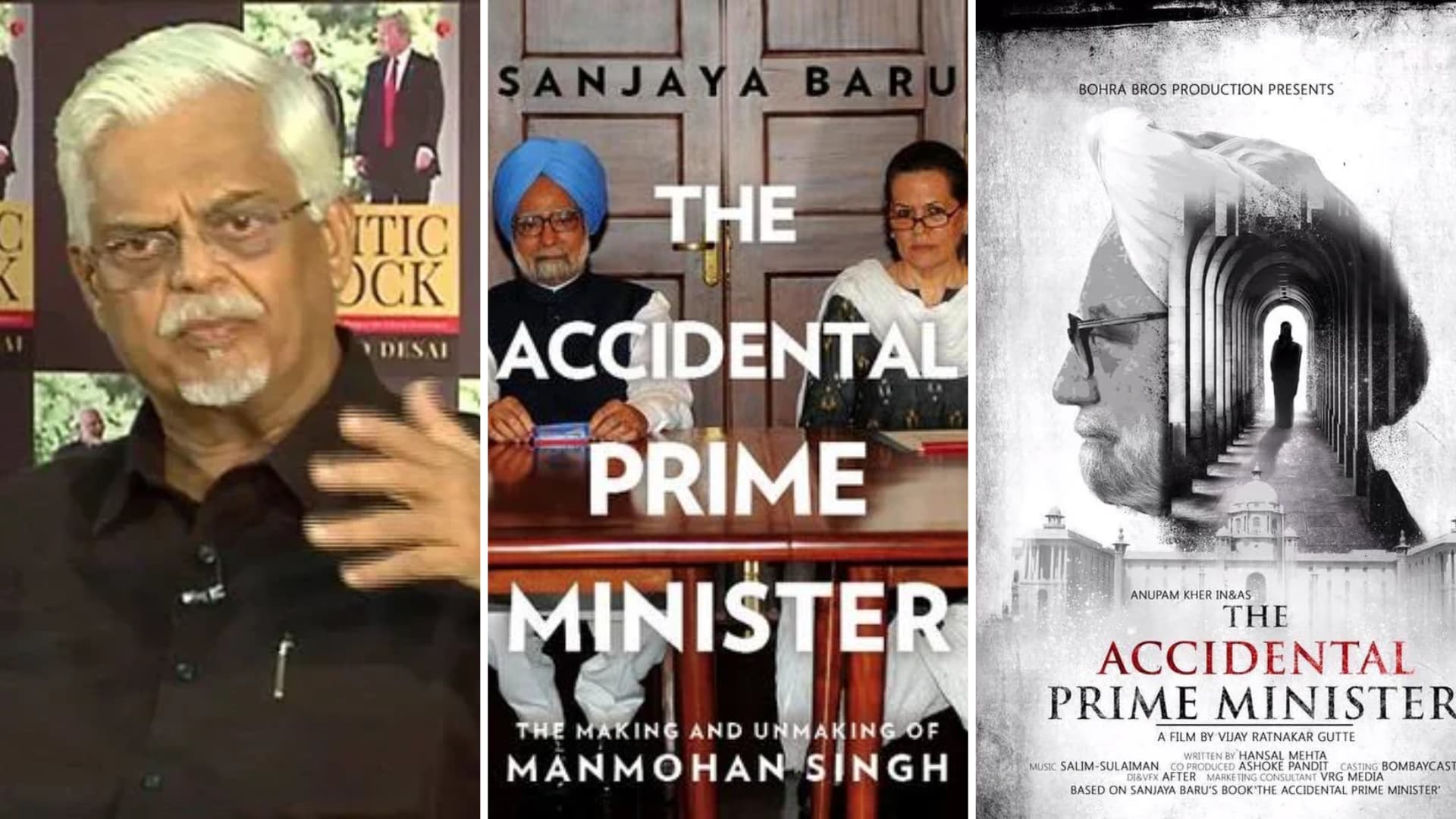
Sanjaya Baru's book was later turned into a movie, and also cited by the BJP to attack Sonia Gandhi.
Photos: NDTV File
Read | 'Should Be Called Whitewashing, Not Belonging': BJP On Sonia Gandhi's Book
In her memoir, Sonia Gandhi writes that stories began appearing in the media soon after the UPA government was formed, "some fed to them by people around the prime minister".
She then comes to 2014. "A decade later, a book was published by one of [Manmohan Singh's] former aides, reaffirming the malicious and totally false allegations spread all along by my opponents: that I sent for files from the prime minister's office (PMO), interfered with administrative matters, and made key appointments," she writes.
"Though I had been the subject of worse accusations over the years, the fabrication that distressed me most was that I was looking into official files -- something improper for anyone outside the government. I had always been particular about adhering to rules, all the more so during this period," she explains.
She cites the PMO's denial at the time and the response of Manmohan Singh's daughter, historian Upinder Singh, who had called Baru's book "nothing but a stab in the back...a huge betrayal of trust" and "a mischievous, unethical exercise".
Read | Manmohan Singh Was Asked About 'The Accidental Prime Minister'. His Reaction
Baru later said: "I have written that [the PMO official] briefed her... I never said files were taken to her. I stand by that."
Natwar Singh made a similar allegation in his own book about her getting official files, and he named the same official as the one who took them to her. In August 2014, a week after Sonia Gandhi promised to write her own book, he called her plan "surprising".
He died in August 2024, aged 93.
In 2014, Natwar Singh had said it was "significant" that Sonia Gandhi had reacted to his book and not to Baru's. Twelve years on, it is Baru's book that the memoir reacts to. In rejecting the charge that she summoned officials, it responds to an allegation Natwar Singh had made, without naming him.
Track Latest News Live on NDTV.com and get news updates from India and around the world

