





- Iran announced the Strait of Hormuz will remain open during the Middle East ceasefire
- India saw a sharp rise in petrol and diesel demand amid March war tensions with Iran
- Diesel consumption rose to 8.72 million tonnes and petrol to 3.77 million tonnes in March
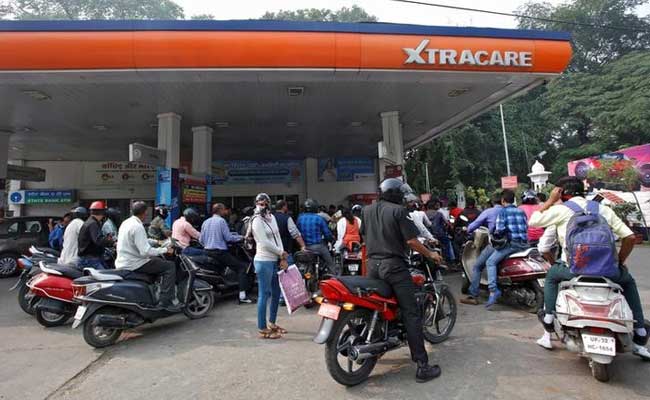
The Middle East war has momentarily cooled down, and Iran has made a big announcement that the Strait of Hormuz will remain completely open during the ceasefire. However, when the war was in full swing since March, India's petrol and diesel demand took an interesting turn. The ceasefire holds paramount importance for India, too, as long queues had begun forming outside petrol pumps in several cities. Motorists topped up tanks, containers were pulled out, and fuel station staff reported unusually heavy footfall, a response to global conflict hitting close to energy supply lines.
Official consumption data confirms that this was not just panic. Figures from the Petroleum Planning & Analysis Cell (PPAC) of the Ministry of Petroleum and Natural Gas show a clear spike in fuel consumption in March. Diesel demand jumped to 8.72 million tonnes, up sharply from 7.66 million tonnes in February, while petrol consumption surged to 3.77 million tonnes, the highest level in months. The rise coincided directly with the period when Iran-related war tensions intensified, pointing to precautionary buying rather than organic growth.
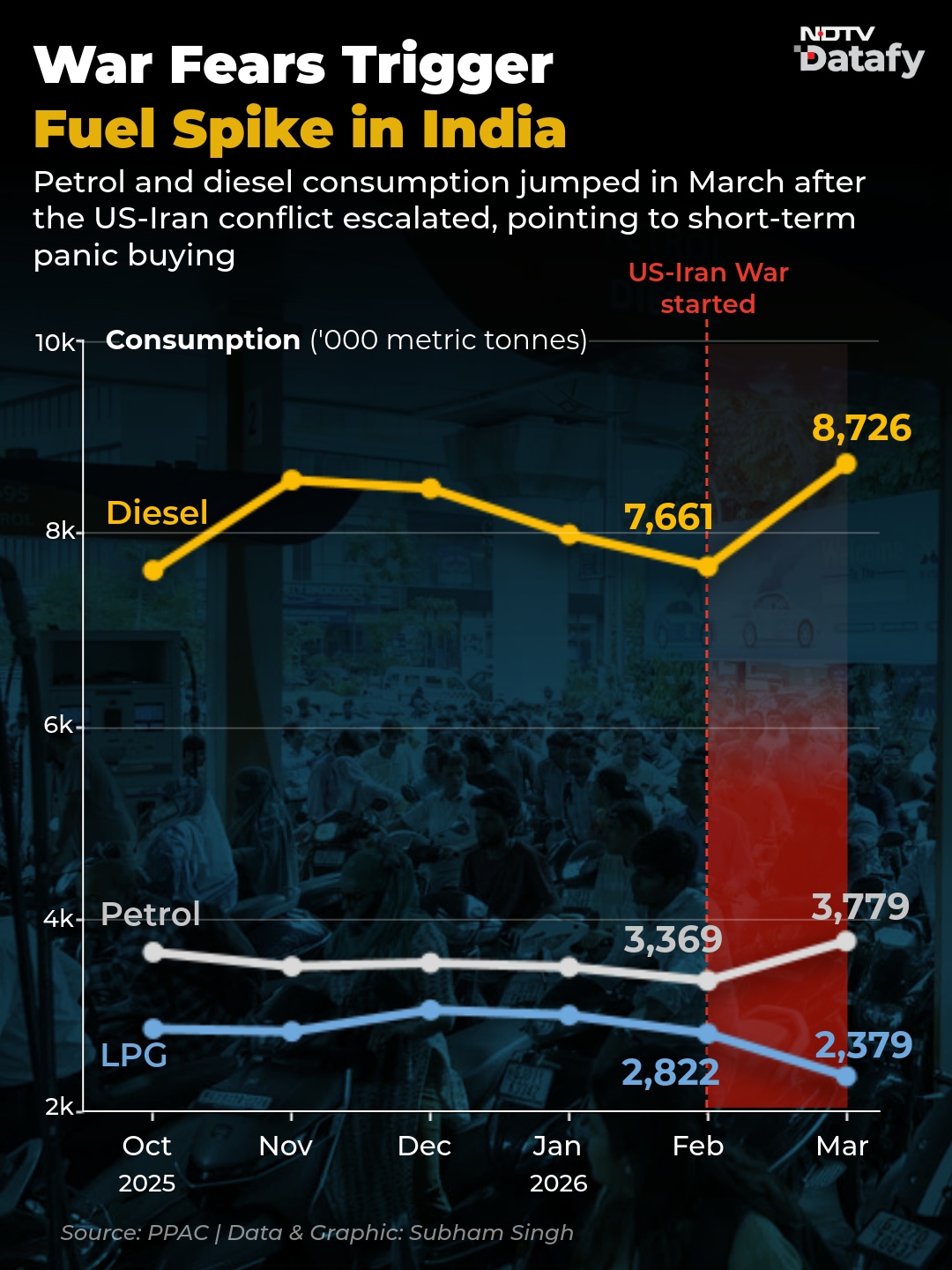
LPG, however, told a more puzzling story. Even as waiting lines were reported at cylinder booking centres, LPG consumption fell to 2.38 million tonnes in March. The reason behind this divergence is not fully clear. One factor is the steep rise in commercial LPG prices, which may have forced restaurants, dhabas and cafes to cut back usage or temporarily shut kitchens. Household restraint amid price pressure could also have played a role, despite visible anxiety.
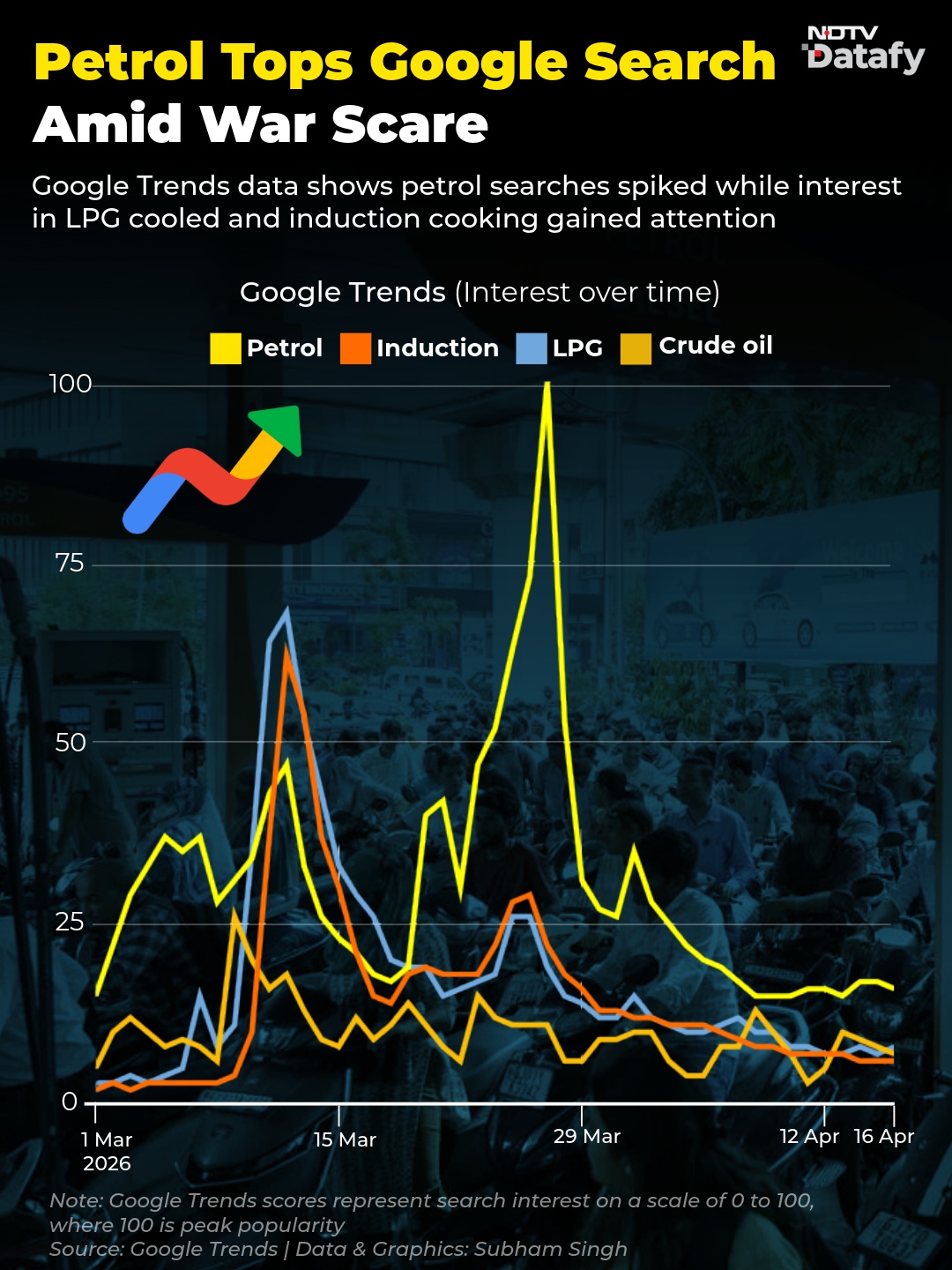
That anxiety is captured clearly online. Google Trends data during the same period shows panic playing out in search behaviour. Searches for petrol surged sharply, peaking in late March as fear of shortages and price hikes spread. LPG searches spiked earlier in mid-March but faded faster, reflecting a short, intense burst of concern. At the same time, searches for induction rose, suggesting households were actively looking for cooking alternatives amid uncertainty over gas availability.
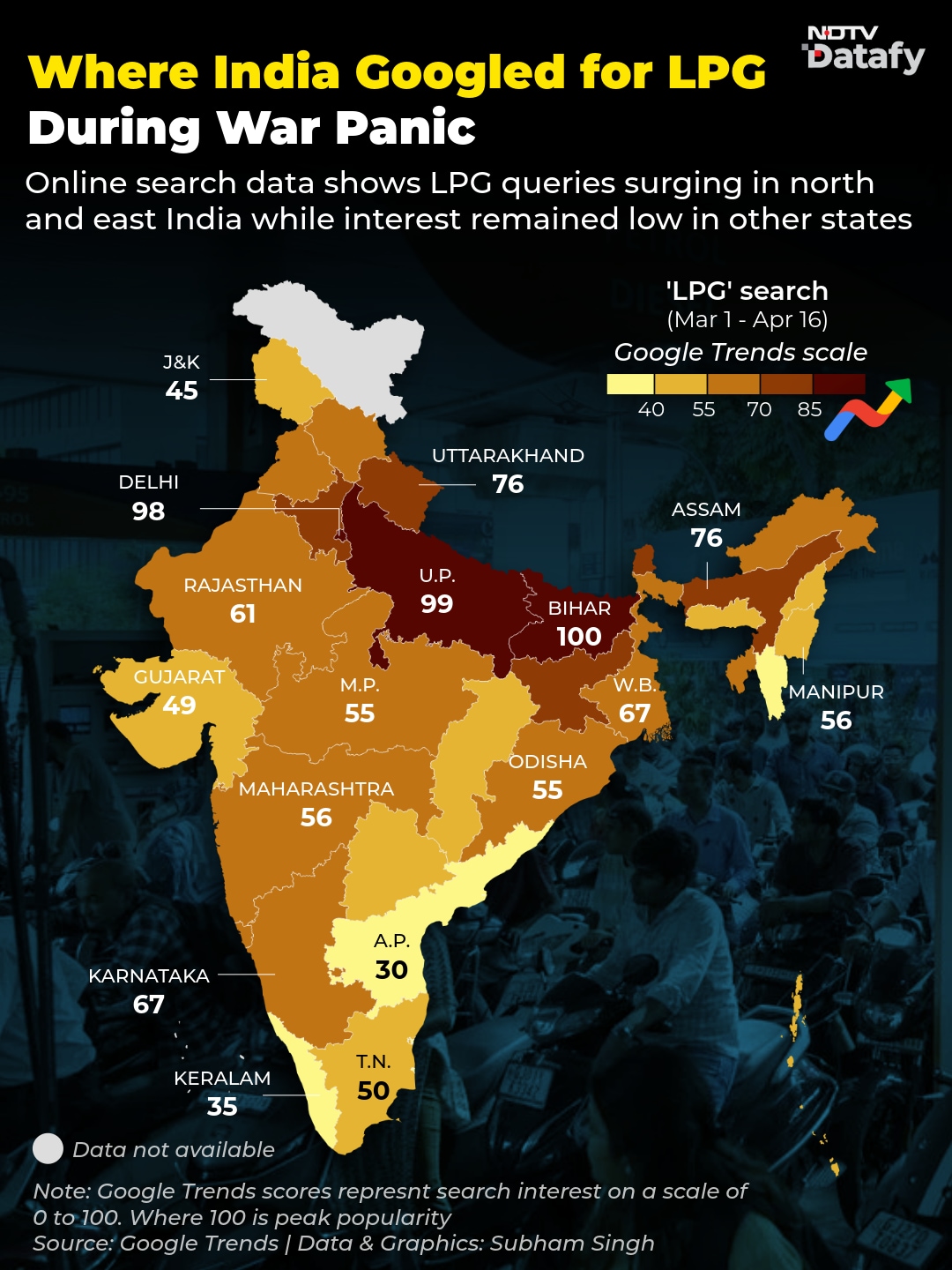
Crucial to the story is where this worry was felt most. A state-wise breakdown of LPG-related searches reveals concentrated anxiety in parts of north and east India, with Uttar Pradesh, Bihar and Delhi recording the highest search intensity. Southern states, by contrast, showed relatively muted interest.
Together, consumption data and digital search behaviour show how a distant war translated into real panic at petrol pumps, on kitchen planning, and on millions of search screens across India.
Track Latest News Live on NDTV.com and get news updates from India and around the world

