





The Supreme Court today denied bail to student activists Umar Khalid and Sharjeel Imam in the "larger conspiracy" case linked to the 2020 Delhi riots.
A bench of Justices Aravind Kumar and Prasanna B Varale said the prosecution material disclosed a prima facie case against Khalid and Imam, thereby attracting the statutory bar to bail under Section 43D(5) of the Unlawful Activities (Prevention) Act (UAPA).
It said that at this juncture, the prosecution evidence and other material "does not justify their enlargement on bail", adding that the record suggested their involvement at the level of planning, mobilisation and issuance of strategic directions.
It granted bail to five others named in the case: Gulfisha Fatima, Meeran Haider, Shifa Ur Rehman, Mohd Saleem Khan, and Shadab Ahmed.
All the seven had challenged the Delhi High Court order denying them bail in a case filed under the stringent Unlawful Activities (Prevention) Act, or (UAPA), linked to the alleged larger conspiracy behind the 2020 Delhi riots.
A bench led by Justice Aravind Kumar read out a lengthy judgment before pronouncing the verdict.
While rejecting the bail applications of Khalid and Imam, the Supreme Court said it is satisfied that the prosecution has given enough material that indicated the two's involvement in the criminal conspiracy.
The Supreme Court differentiated the charges against every individual named in the case, saying it cannot treat all individuals equally for bail.
"Umar Khalid and Sharjeel Imam stand on a qualitatively different footing as compared to other accused," the bench said. "The hierarchy of participation requires the court to assess each application individually."
The technical bits of the judgment included observations such as: bail is not a forum for evaluating defences; judicial restraint is not an abdication of duty; the correct application requires the court to undertake a structured enquiry to check whether it discloses prima facie offences, and whether the role of the accused has a reasonable nexus to the offence.
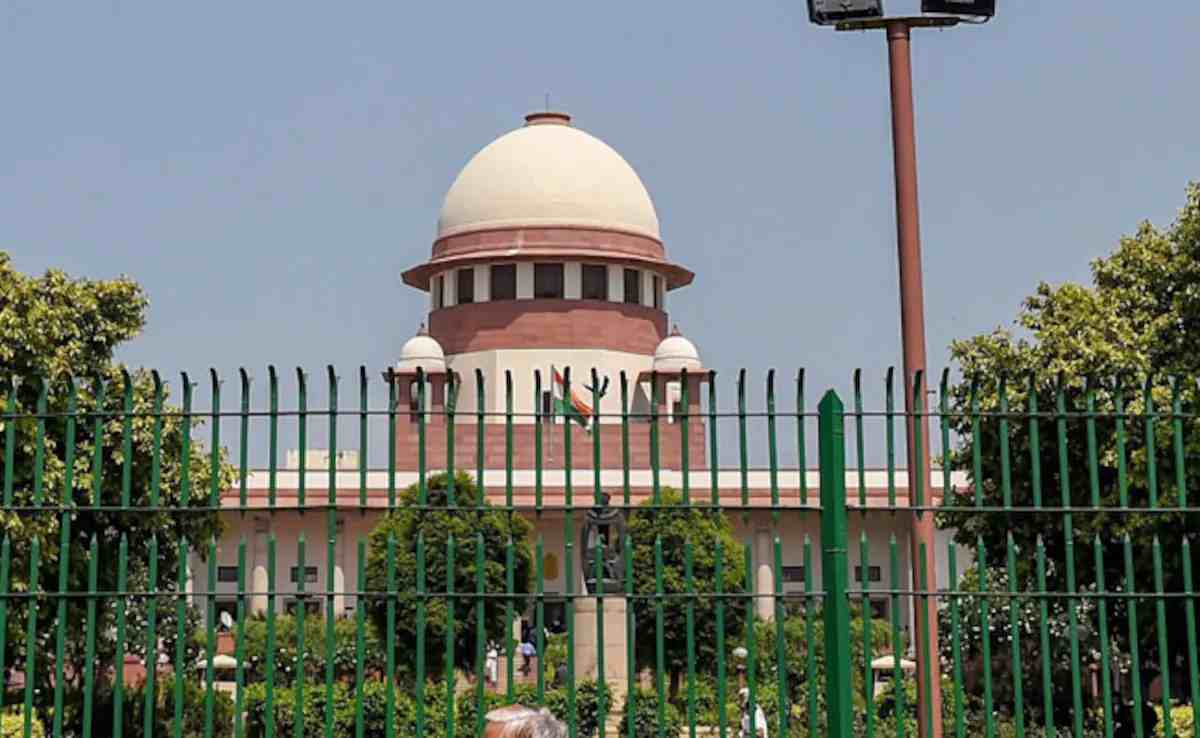
The Supreme Court said it had checked whether Section 15 of the UAPA could be applied to them. This section defines what constitutes a terrorist act. The factors the court looked into included any act that endangered the unity, integrity, or economic security of the country.
The Delhi Police have said the offences they committed involved a deliberate attempt to destabilise the state, and cannot be termed as spontaneous protests. They launched a well-orchestrated "pan-India" conspiracy aiming at "regime change" and "economic strangulation", the police have said.
The conspiracy was allegedly planned to coincide with the official visit of US President Donald Trump to India, with the intention of drawing international media attention and globalising the issue of the Citizenship Amendment Act (CAA), the investigators had told the court. The issue of CAA was carefully chosen to serve as a "radicalising catalyst" camouflaged in the name of "peaceful protest", they said.
Imam surrendered to the police in January 2020, while the police arrested his co-accused Khalid in September that year when the COVID-19 pandemic was still raging.
Rights groups like Amnesty International have criticised the long jail stay of the student activists - over five years now - and called it an "exemplification of derailment of justice".
The violence had erupted during the protests against the then-proposed Citizenship Amendment Act (CAA) and National Register of Citizens (NRC). It killed 53 people and injured over 700.
Track Latest News Live on NDTV.com and get news updates from India and around the world

