





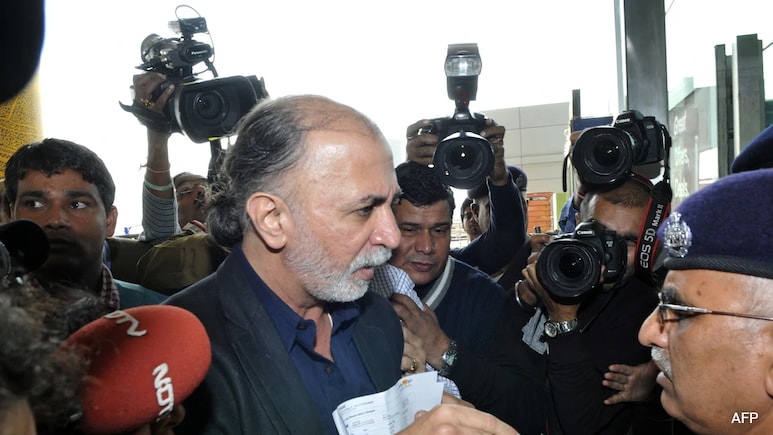
The Bombay High Court on Thursday convicted Tarun Tejpal, the founder and former editor of Tehelka magazine, in a 2013 sexual assault case. The Goa bench of the Bombay High Court comprising Justices Dr Neela Gokhale and Amit Jamsandekar had reserved the judgement last week following detailed arguments from both sides.
Solicitor General of India Tushar Mehta argued the Goa government's appeal seeking to set aside the acquittal, while senior advocate Abad Ponda represented 62-year-old Tejpal.
What Is Tarun Tejpal Sexual Assault Case
Tarun Tejpal was convicted of sexually assaulting a former junior colleague inside the elevator of a five-star hotel during an event in Goa on November 7 and November 8, 2013.
Tejpal, who has consistently denied the allegations, was arrested on November 30, 2013. He had also stepped down as editor-in-chief of Tehelka in the wake of sexual assault allegations.
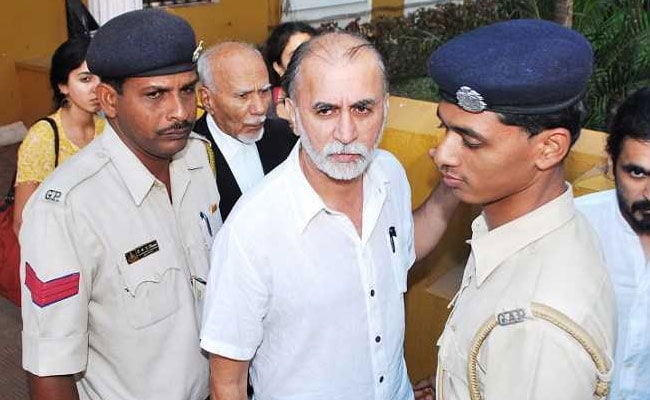
Tejpal had faced the trial under sections 341 (wrongful restraint), 342 (wrongful confinement), 354 (assault or criminal force with intent to outrage modesty), 354-A (sexual harassment), 354-B (assault or use of criminal force to a woman with intent to disrobe), 376(2)(f) (person in a position of authority over women, committing rape) and 376(2)(k) (rape by a person in a position of control) of the then Indian Penal Code.
He was granted bail in July 2014.
A trial court in Goa in May 2021 had acquitted him of all charges levelled against him, including wrongful confinement, assault or criminal force with intent to outrage modesty, sexual harassment, and rape against his female colleague, following which the Goa government challenged the verdict.
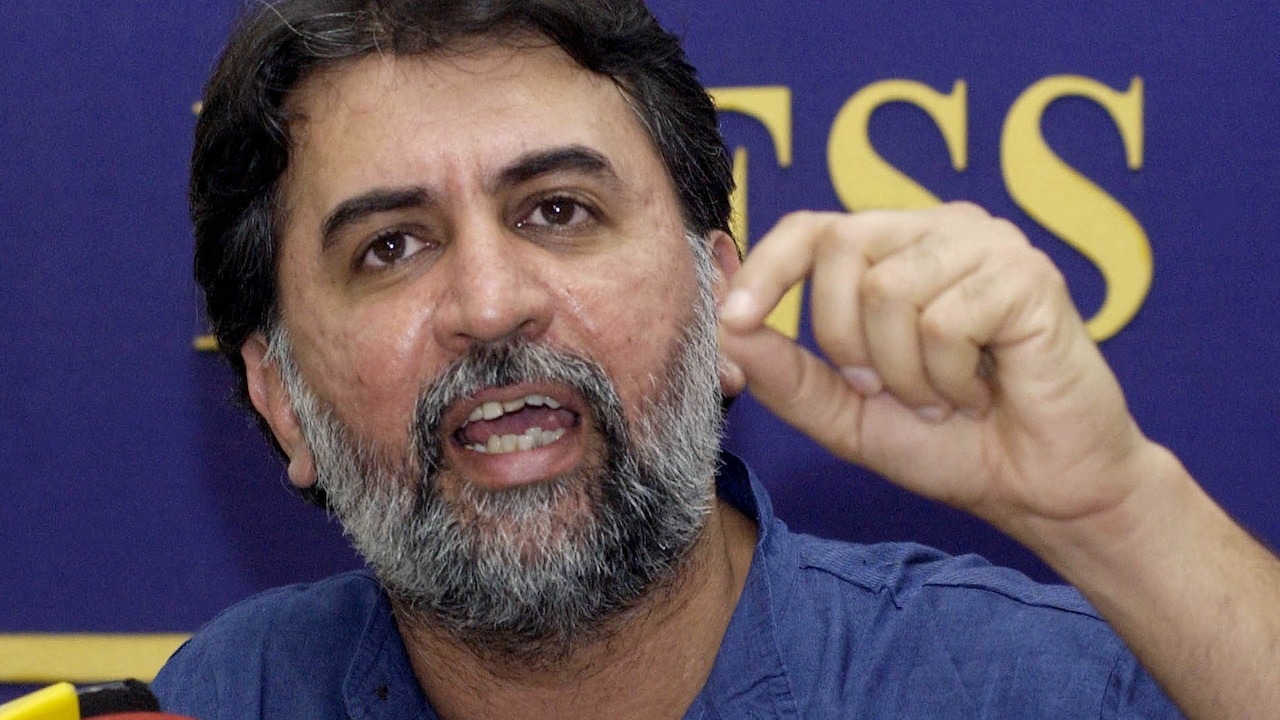
Photo Credit: AFP
At the time of his acquittal, Tejpal had thanked the court for "a rigorous, impartial and fair trial" in the case and said that the last seven-and-a-half years had been traumatic for his family as they dealt with "the catastrophic fallout of the false allegations against him".
Tarun Tejpal Case Hearing In Bombay High Court
During the hearing on the state's appeal, Tushar Mehta argued that the sessions court committed a serious error by assessing the complainant's conduct based on preconceived notions of how a victim of sexual assault should behave.
There is no universal standard governing the reaction of a survivor, as responses differ depending on an individual's education, personality, social background and circumstances, he said.
The Solicitor General also contended that the trial court gave undue importance to minor inconsistencies in the complainant's statements instead of examining whether her core allegations remained consistent.
Referring extensively to an email sent by Tejpal to the complainant after the alleged incident, Mehta said that the accused had apologised for his "lapse of judgment", expressed shame and stated that he believed the encounter had been consensual.
These statements amounted to an admission that an encounter had taken place, he said.
The defence argued that the prosecution had misinterpreted Tejpal's apology emails as admissions of a sexual encounter.
None of the apology emails contained any admission of a consensual physical or sexual encounter and the references were only to a consensual verbal conversation of a sexual nature, Tejpal's advocate, Abad Ponda, said.
He also questioned the complainant's credibility, arguing that her conduct before and after the alleged incident, along with emails, WhatsApp messages and documentary records, contradicted the prosecution's case.
The defence also argued that the complainant's account of being confined inside a moving lift was inconsistent with expert evidence and CCTV footage.
(With agency inputs)
Track Latest News Live on NDTV.com and get news updates from India and around the world

