



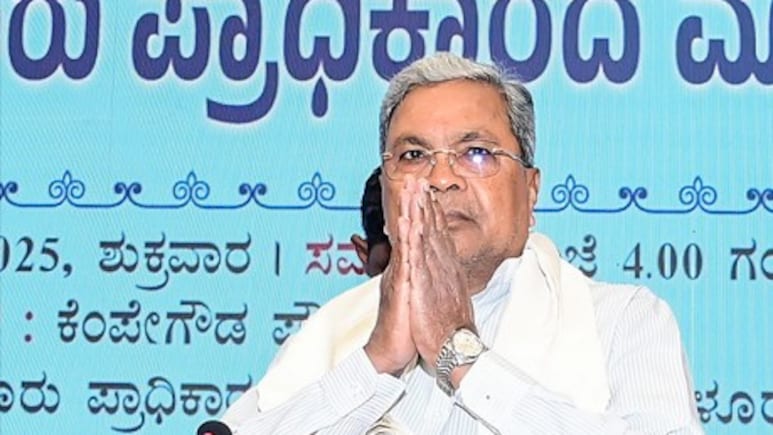
Karnataka Chief Minister Siddaramaiah has written to Kerala Chief Minister Pinarayi Vijayan expressing serious reservations over the proposed Malayalam Language Bill, which seeks to mandate Malayalam as the compulsory first language even in Kannada-medium schools, particularly in border districts such as Kasaragod.
In his letter, Siddaramaiah said the move raises concerns for linguistic minorities and risks disturbing the long-standing educational and cultural balance in border regions shared by the two states. He emphasised that Karnataka and Kerala are bound by deep cultural, social and constitutional ties, and that such issues must be addressed in the spirit of cooperative federalism and mutual respect.
He noted that India's civilisational strength lies in plurality and coexistence, stating that languages in the country have historically flourished through mutual respect rather than compulsion. Border regions like Kasaragod, he said, stand as examples of harmonious coexistence of Malayalam, Kannada, Tulu, Beary and other languages in everyday life, education and identity.
The Chief Minister underlined that for linguistic minority communities, language is closely linked to identity, dignity and access to opportunity. He cautioned that policies enforcing a single linguistic pathway could place an undue burden on children, weaken minority-run educational institutions and unsettle long-standing educational ecosystems built on trust and continuity.
Referring to ground realities, Siddaramaiah said a substantial section of the population in Kasaragod, particularly in the border belt, relies on and seeks education in Kannada. This preference, he observed, has evolved naturally over decades of social, cultural and economic interaction with Karnataka. Respecting this reality, he added, does not diminish Malayalam but instead strengthens India's plural fabric.
Citing constitutional provisions, the Karnataka Chief Minister pointed to Articles 29 and 30, which protect the rights of linguistic minorities to conserve their language and administer educational institutions of their choice. He also referred to Article 350A, which mandates facilities for instruction in the mother tongue, and Article 350B, which obligates the state to safeguard minority linguistic interests. Any legislative measure, he stressed, must reflect constitutional morality in addition to constitutional legality.
Siddaramaiah reiterated that while Karnataka takes pride in Kannada, the promotion of one language must never translate into imposition on another. He urged the Kerala government to reconsider the proposed approach and engage in broader, inclusive consultations with linguistic minority communities, educators and neighbouring states.
He warned that if the Bill is passed in its current form, Karnataka would oppose it by exercising all constitutional options available to protect linguistic minorities and the plural spirit of the Republic. He clarified that the position was not confrontational but rooted in constitutional responsibility.
Concluding the letter, Siddaramaiah expressed hope that dialogue, wisdom and constitutional values would guide both states towards a resolution that allows every language to flourish freely.
(Except for the headline, this story has not been edited by NDTV staff and is published from a syndicated feed.)
Track Latest News Live on NDTV.com and get news updates from India and around the world

