





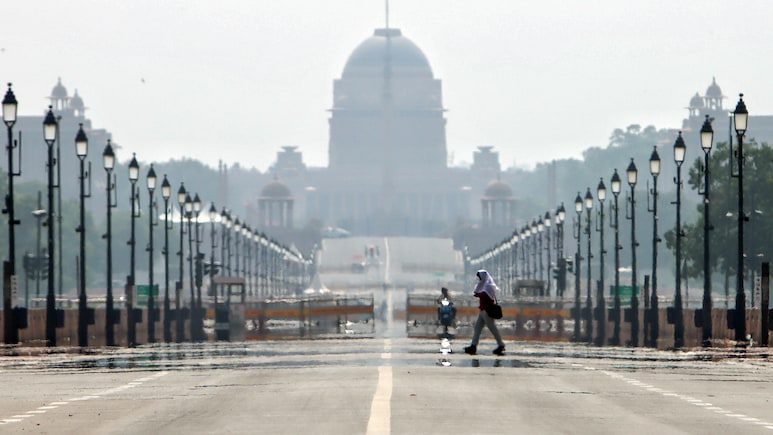
Large parts of Delhi are experiencing persistent heat stress, according to a new report by the Centre for Science and Environment (CSE), which highlights how rising temperatures, shrinking green cover, and expanding urban development are making the city more vulnerable to extreme heat.
Heat stress in Delhi
According to the study, 76 per cent of the total area of Delhi has been facing heat stress for at least ten years. Also, in the period from 2015 to 2024, more than 99 per cent of Delhi's land faced heat stress at least once.
-

-
 The Mystery Of A Bare Nail In Ashwini Vaishnaw's Office
 -
 Paris Setback, Asian Games Glory: Lovlina Borgohain's New Perspective
 -
 To PM Modi's "Failed Product" Jab At Rahul Gandhi, A Shashi Tharoor Counter
 -
 NDTV World Summit 2026: AI, Chips, Warfare And The Future Of The World | Key Conversations
 -
 Kriti Sanon On Situationships, Open Relationships And Being Old-School
 -
 'AI Scares Me': Kriti Sanon On Personality Rights And Need For Laws
 -
 'AI Scares Me': Kriti Sanon On Personality Rights And Need For Laws
 -
 'This Time I Wanted Gold': Savita Punia Reflects On Historic Asiad Success
 -
 Favourite Bollywood Actor To 5-Year Plan, Kriti Sanon Interviews AI Actor Tilly Norwood
 -
 Inside The Mind Of Archer Kumkum Mohod, Who Dared To Challenge South Korea
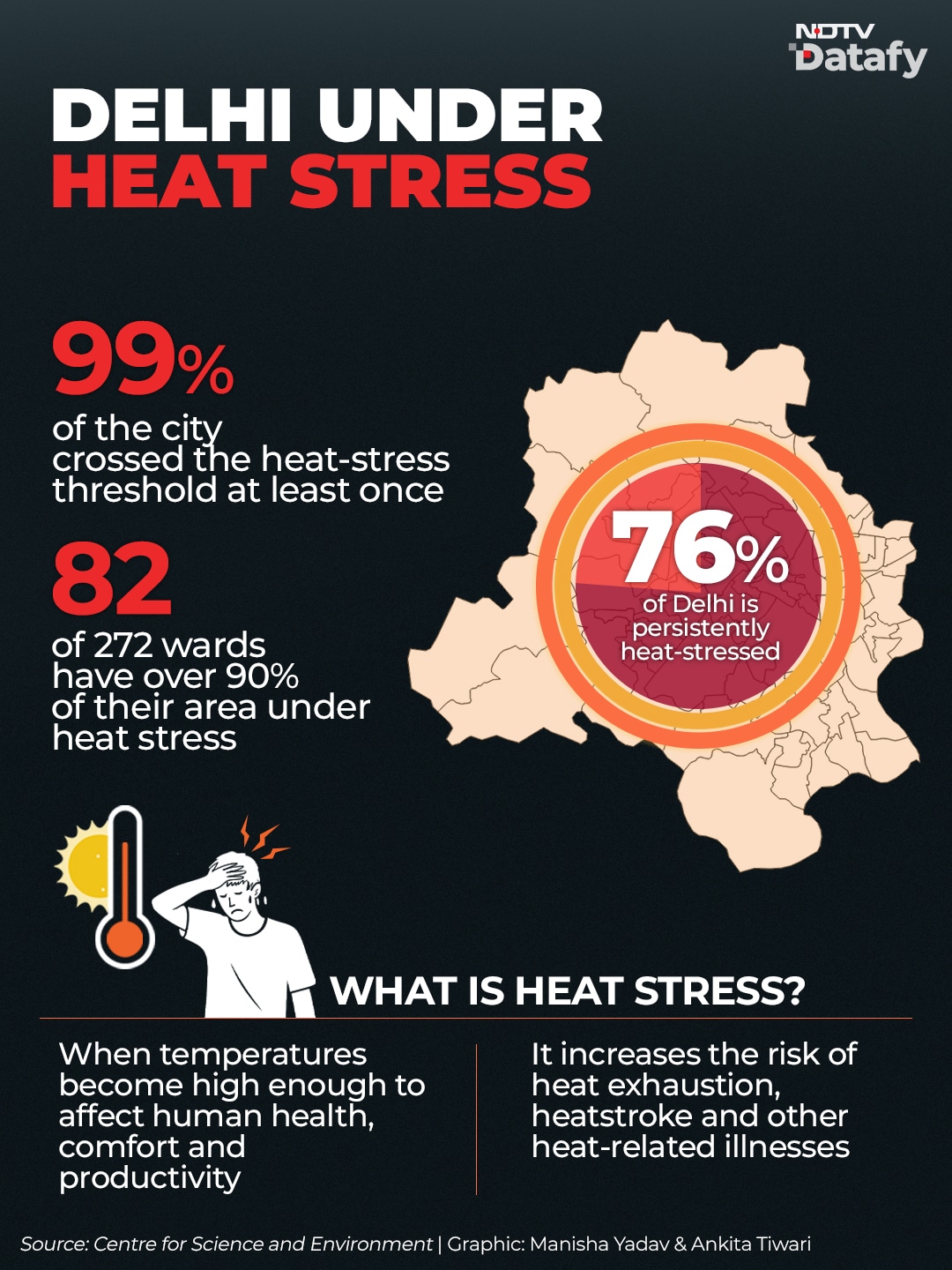
Heat stress occurs when temperatures become too high to negatively impact human beings through increased chances of suffering from heat exhaustion or heatstroke.
The problem is widespread across the city. In all of Delhi's 272 wards, there are 82 wards that have 90 per cent of their total land covered with heat stress.
Increase in air and surface temperatures
The study draws attention to another alarming trend - that of increasing differences between air temperatures and those on land surfaces. Although the air temperature is measured by the weather station under shade, the land surface temperature measures how warm the roads, buildings, and other infrastructure become.
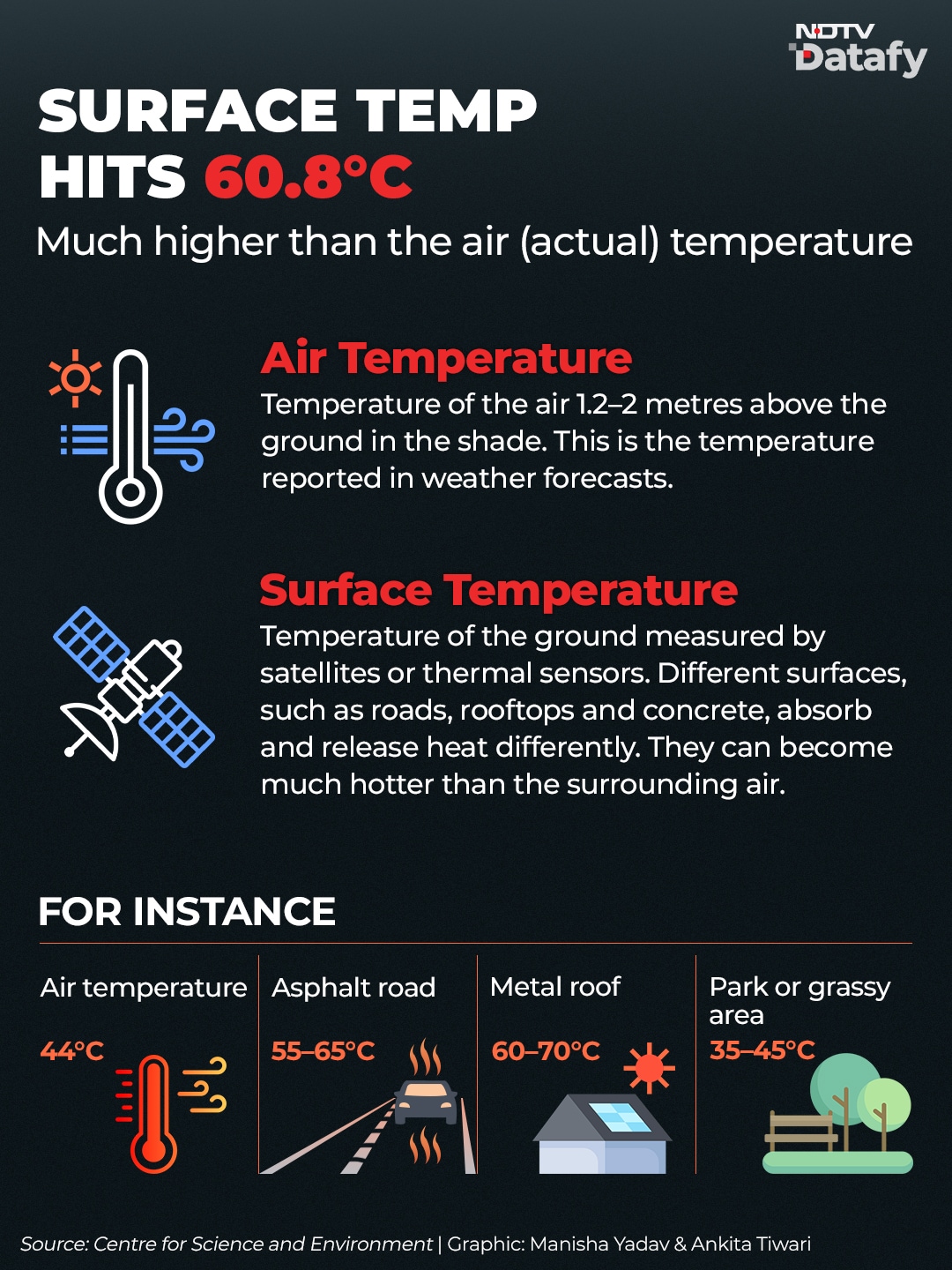
In certain regions of Delhi, the land surface temperature went as high as 60.8 degrees Celsius. On a day with an air temperature of about 44 degrees Celsius, asphalt roads may experience temperatures of 55-65 degrees Celsius, and metal roofs would be even warmer.
Increase in night-time temperatures
One more issue mentioned in the report is increasing nighttime temperatures. Cooling down at night has slowed by nine per cent within the past decade, from 2014 to 2024, reducing the chances of recovery and leading to increased health risks for residents.
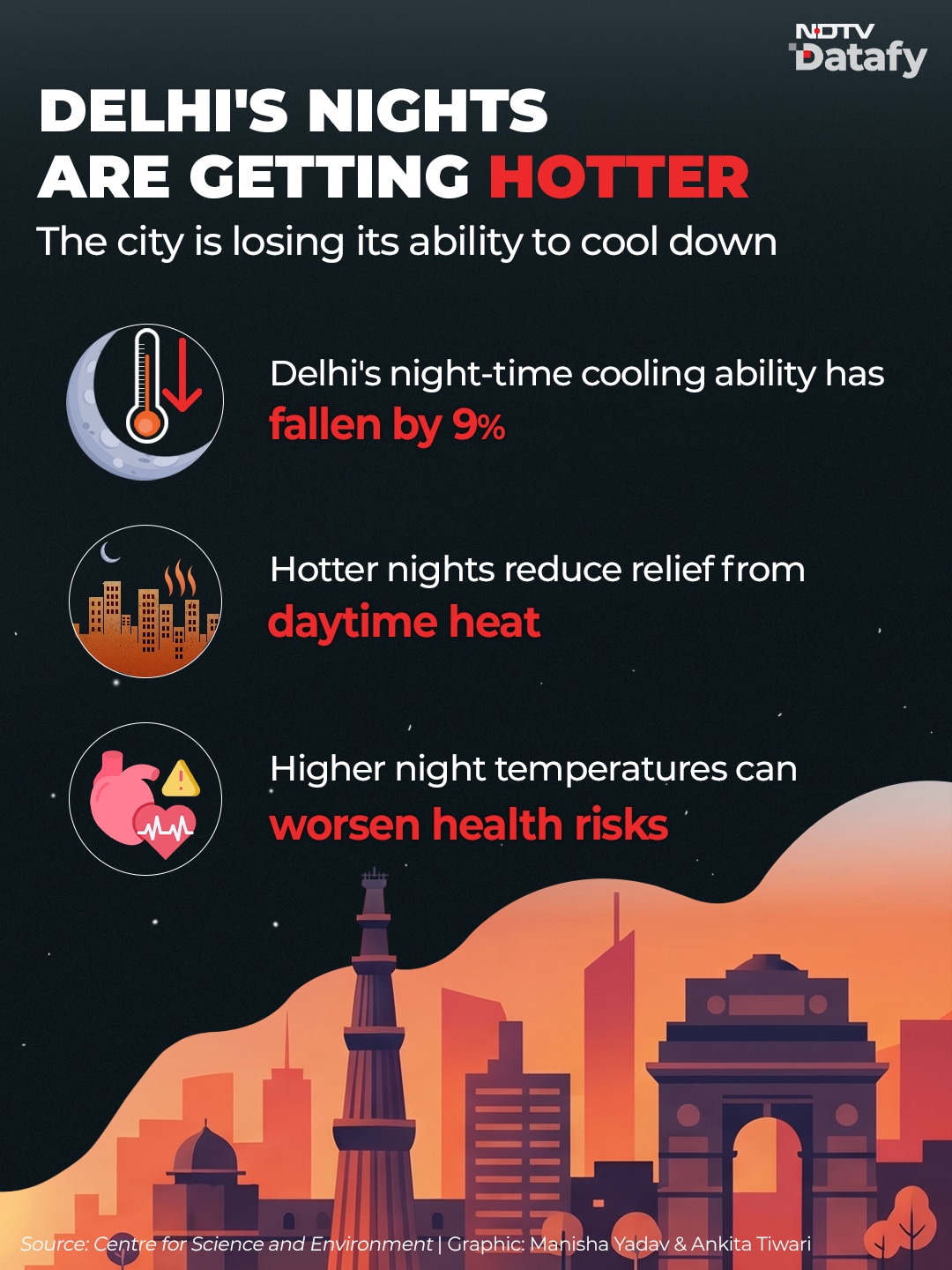
According to the report, much of the heat burden in Delhi is due to the degradation of its natural cooling capacity.
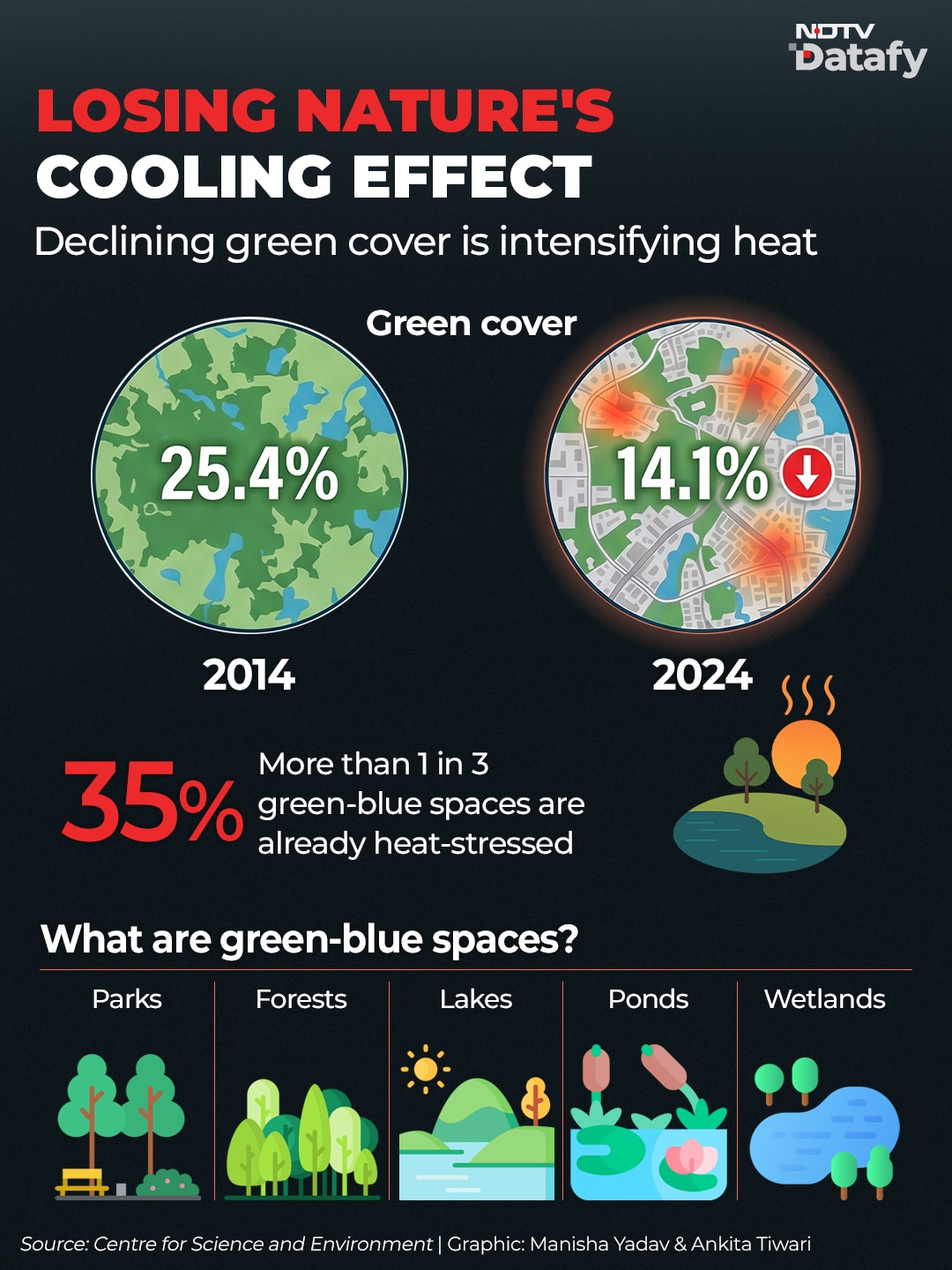
Green coverage of the city decreased from 25.4 per cent in 2014 to 14.1 per cent in 2024. Meanwhile, over one-third of its green-blue spaces, including parks, forests, wetlands, and water bodies, suffer from heat stress themselves.

Who is more exposed?
However, the effects of heat do not affect everyone equally. Workers exposed to hot environments are at higher risk. As per the report, 92 per cent of construction sites are situated in heat-stressed areas, while 84 per cent of marketplaces experience recurring heat stresses. The conclusions drawn are relevant since about 80 per cent of the working population in Delhi works in the informal sector, which means that they have less access to facilities such as air conditioners or paid time off, as well as no specific measures against the heat.
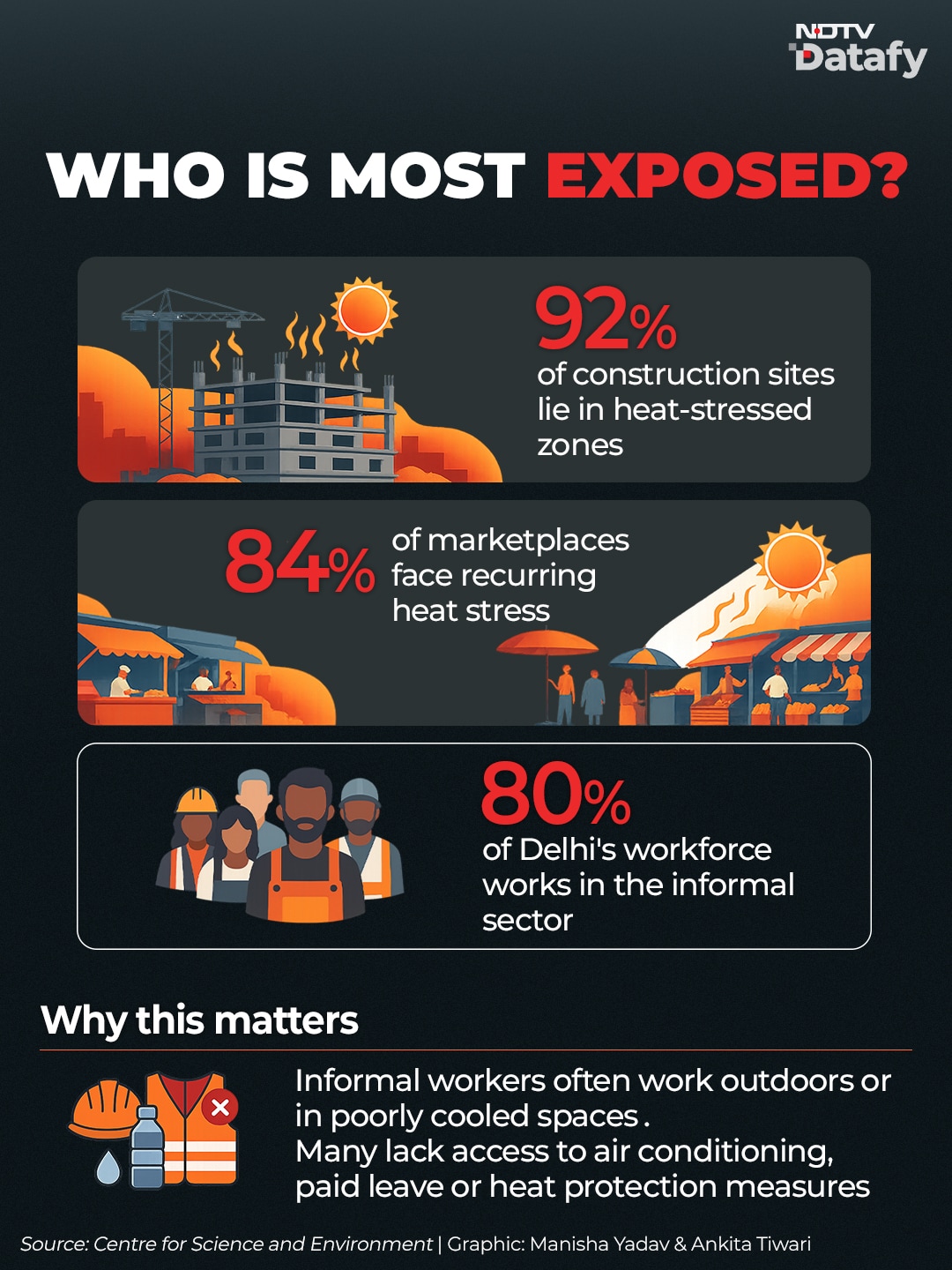
The report explains that construction workers, street sellers, and other employees in the informal sector who are involved in outdoor activities spend many hours in conditions in which both air and ground temperature are extreme; they also do not have access to shady, cool, and clean places where they could get refreshed.
As urbanisation increases in Delhi, it becomes necessary to protect people from heat, which, as stated in the report, requires measures such as ensuring protection of natural spaces and proper urban planning, especially targeting heat-stressed neighborhoods and workers.
Track Latest News Live on NDTV.com and get news updates from India and around the world

