





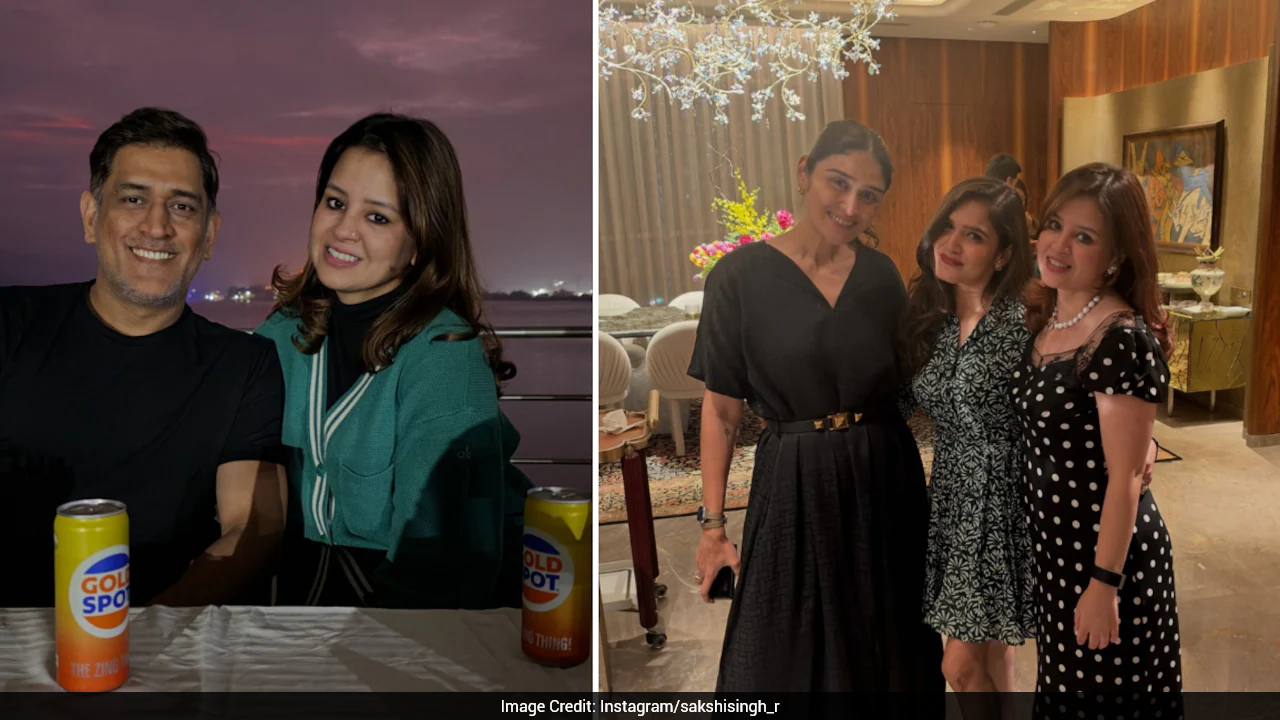
A photo shared on social media by cricketer MS Dhoni's wife Sakshi has sparked a buzz around Gold Spot, a popular orange-flavoured carbonated soft drink launched in India by Parle in 1952 and discontinued by Coca-Cola in the year 2000. Sakshi shared the photo with Dhoni over the weekend and it showed Gold Spot cans. It went viral, leading to speculation that Sakshi has soft-launched the product. However, it remains unclear if Dhoni has been signed to endorse the brand, which was acquitted by Coca-Cola from the Parle Group in 1993.
The speculation comes amid reports that Coca-Cola is preparing to bring back Gold Spot after a 26-year gap. According to a report in The Economic Times, the beverage is expected to return to Indian shelves as early as next week, in a low-sugar or no-sugar formulation.
The proposed revival comes at a time when India's soft drinks market is witnessing growing competition from both established players and new entrants, and some regional brands that also making inroads into the market.
Meanwhile, the photos have revived '90s memories for users.
"Love to try Gold Spot," commented one of them. "Is that the OG Gold Spot?" asked one user.
Why Was Gold Spot Discontinued?
Gold Spot was among India's most recognisable home-grown soft drink brands, particularly during the 1980s and 1990s. Known for its bright orange colour and distinctive taste, the beverage became popular among children and young adults.
The brand was part of Parle's beverage portfolio, which also included Thums Up, Limca and Maaza. These brands were later acquired by Coca-Cola.
However, Gold Spot's journey under Coca-Cola was relatively short-lived. The company discontinued the drink to make way for Fanta, its international orange-flavoured beverage. Both drinks occupied the same market segment, prompting Coca-Cola to focus its resources on Fanta.
While Thums Up, Limca and Maaza continued to remain part of Coca-Cola's Indian portfolio, Gold Spot disappeared from store shelves.
Why Is Coca-Cola Bringing It Back?
The reported comeback is driven by a combination of nostalgia, changing consumer preferences and increasing competition in India's beverage market.
Coca-Cola's reported decision to introduce Gold Spot in a low-sugar or no-sugar version also reflects the growing interest in beverages with reduced sugar content.
The company could use the familiar brand name to attract older consumers who remember the drink while offering a formulation aimed at changing consumption preferences.

