





- Drone strike near the UAE's Barakah plant has brought fresh attention to the security of nuclear facilities
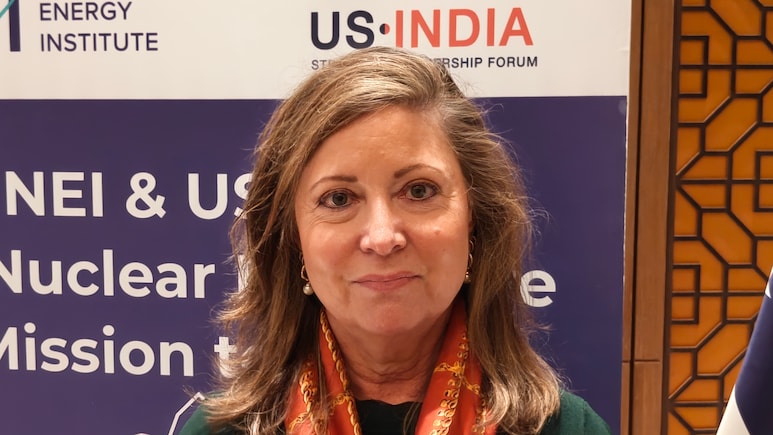
- Maria Korsnick, CEO of the US-based Nuclear Energy Institute, said the incident should serve as a warning
- "Commercial nuclear facilities should not be targets. They must be kept outside conflict," she said
At a time when India and the United States are stepping up discussions on civil nuclear cooperation with a high-power American delegation negotiating how to expand India's atomic energy footprint, a drone strike near the Barakah Nuclear Power Plant in the United Arab Emirates has brought fresh attention to the security of nuclear facilities in conflict zones.
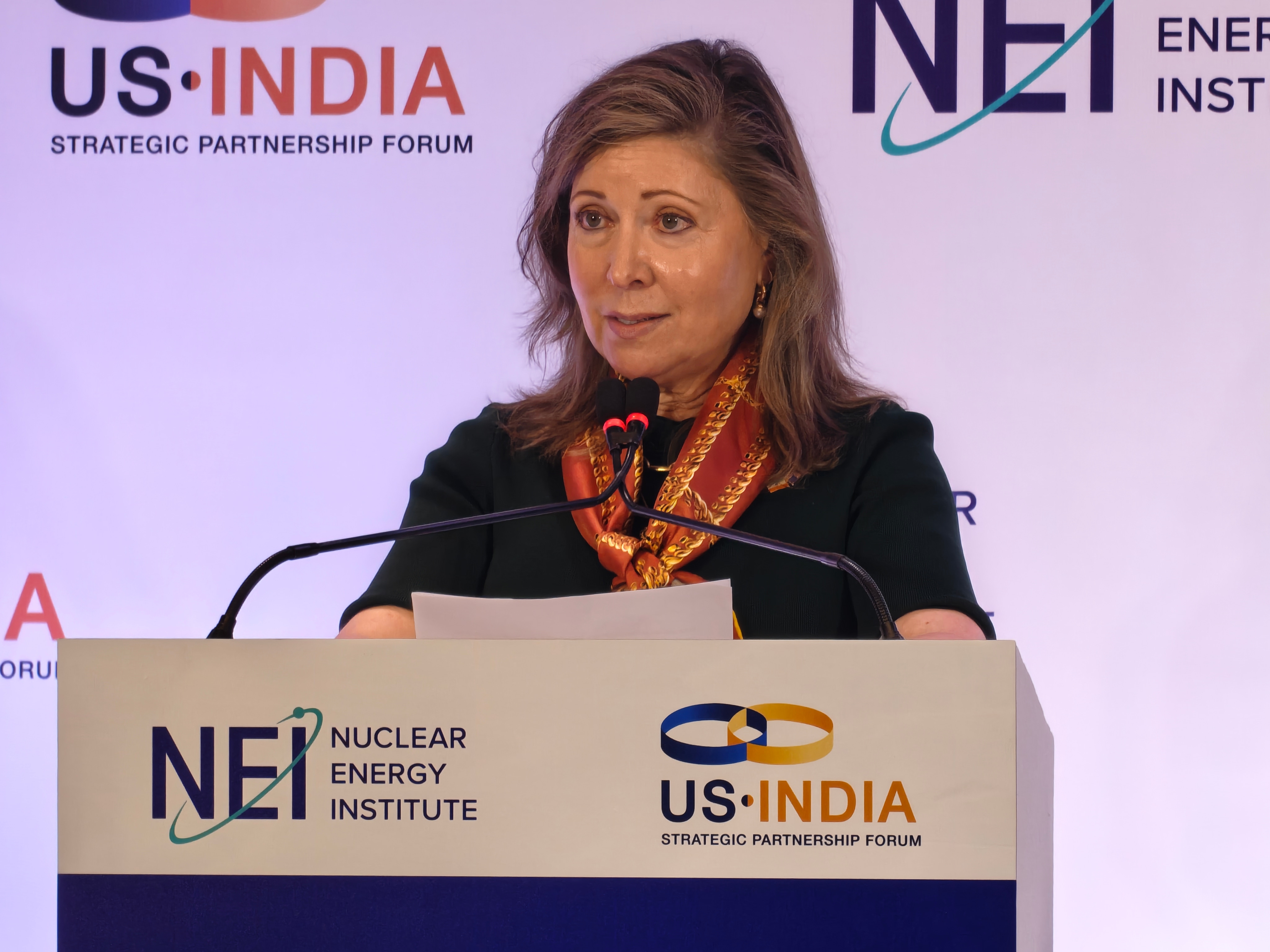
In an exclusive interview with NDTV, Maria Korsnick, President and CEO of the Washington-based Nuclear Energy Institute, said the incident should serve as a warning, even as safety systems at the plant remained unaffected.
"From what we know, the plants are operating fine. No safety systems were affected. The impact was limited to a backup generator," Korsnick said, referring to information shared by the International Atomic Energy Agency (IAEA).
Korsnick spoke to NDTV on the sidelines of a visit by a high-level US industry delegation to New Delhi, where discussions are underway with India's science minister, Dr Jitendra Singh, on expanding private investment opportunities in India's nuclear sector.
What Happened At Barakah
The incident involved a drone strike on an electrical generator outside the inner perimeter of the Barakah Nuclear Power Plant in Abu Dhabi's Al Dhafra region. The attack triggered a fire, but UAE authorities confirmed there were no injuries, no radiation leak, and no disruption to reactor operations.
The incident took place as regional tensions remain high amid a fragile ceasefire linked to the ongoing Iran conflict, with drone warfare increasingly targeting critical energy infrastructure across the Gulf region.
Growing Concern Over Nuclear Facilities In Conflict Zones
While stressing that the immediate risk had been contained, Korsnick said the broader issue remains serious. “This is a grave concern. Commercial nuclear facilities should not be targets. They must be kept outside conflict," she said, stressing the need for global norms and restraint.
Her remarks align with repeated warnings from IAEA Director General Rafael Grossi, who has said military activity around nuclear facilities is unacceptable and poses major safety risks.
Despite the attack, Korsnick underscored that the fundamentals of nuclear energy safety remain unchanged.
"It does not change the fact that nuclear is a safe and reliable way to generate electricity," she said, adding that the real responsibility lies with governments to ensure that nuclear plants are shielded from military actions.
The Barakah incident comes at a time when nuclear infrastructure is increasingly finding itself near active conflict zones.
Ukraine's Zaporizhzhia nuclear plant has repeatedly faced security concerns during the Russia-Ukraine war. Iran's nuclear sites have also drawn international scrutiny amid regional tensions.
Experts have warned that even attacks on support infrastructure, such as power systems or backup generators, can create dangerous risks of escalation.
Why Barakah Matters
Barakah is the Arab world's only nuclear power plant and has been operational since 2020. Built with South Korean assistance, the facility supplies around a quarter of the UAE's electricity needs. Its strategic importance makes the incident particularly significant in a region already facing geopolitical instability and repeated attacks on energy infrastructure.
For now, Barakah atomic reactors stand safe. But the message from experts in Washington and Vienna is clear: nuclear plants must remain off-limits in war, and the world must act to ensure they are shielded from attack.
Track Latest News Live on NDTV.com and get news updates from India and around the world

