





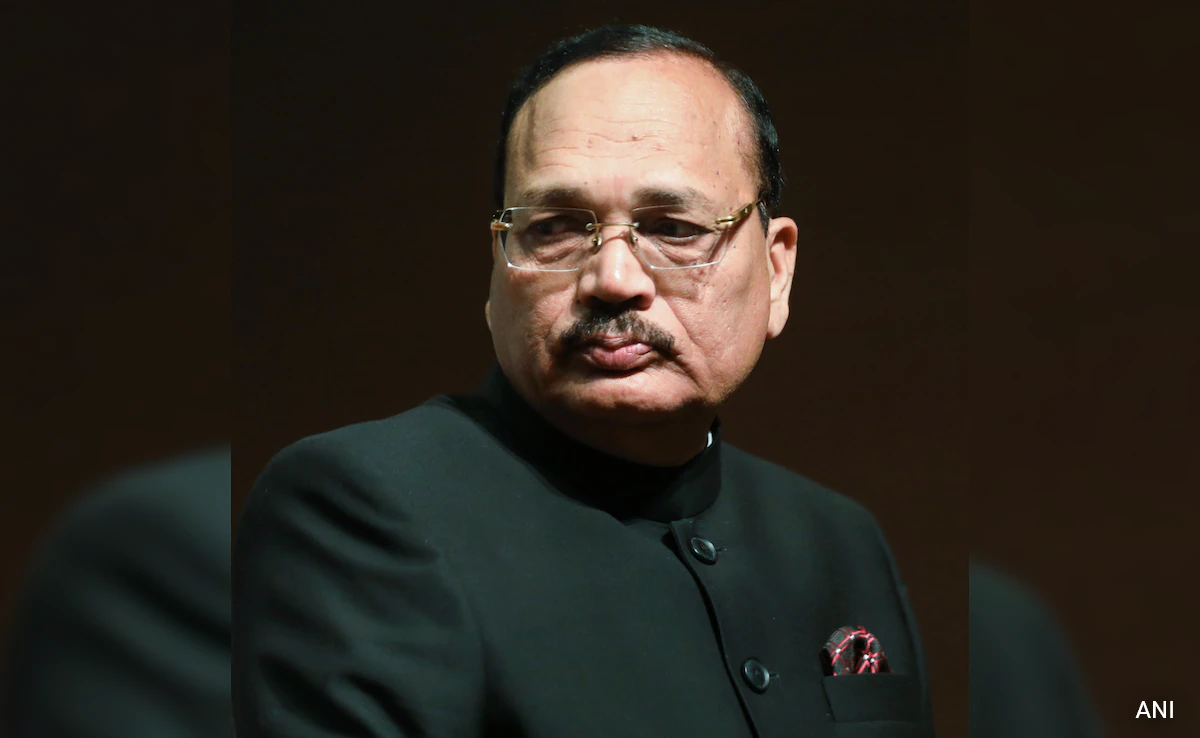
In a rare acknowledgment of instances of judicial corruption, Chief Justice of India Surya Kant on Wednesday said that there is a growing trend of judges passing a series of orders for extraneous considerations on the eve of their retirement.
The bench headed by CJI Surya Kant, also comprising Justice Joymalya Bagchi, flagged this "unfortunate trend" of judges attempting to "hit sixes" just before retirement.
The Supreme Court was hearing a petition filed by a principal district judge from Madhya Pradesh challenging his suspension just 10 days before retirement.
The suspension was allegedly linked to two judicial orders passed by the judge.
"Petitioner just before retirement started hitting sixes. It is an unfortunate trend. I do not want to elaborate on it," the bench remarked.
The district judge was originally due to retire on November 30 but was suspended on November 19 over the two judicial orders. While he was initially set to retire on November 30, the Supreme Court on November 20 directed the Madhya Pradesh government to postpone his retirement by one year after the state increased the retirement age of its employees to 62 years.
Taking a jibe at the situation, CJI Surya Kant observed, "The judicial officer did not know, when he passed those two orders, that his retirement age had been increased by one year. There is a growing trend of judges passing so many orders just before retirement."
The bench also questioned why the district judge had not approached the high court to challenge his suspension.
Counsel for the judge told the top court that since it was a full court decision, the judicial officer felt it would be better to approach the Supreme Court for a fair hearing.
Senior advocate Vipin Sanghi, appearing for the judge, apprised the court of the officer's "impressive career" and said he had received very good ratings in his annual confidential reports.
"How can an officer be suspended for judicial orders which can be appealed against and rectified by the higher judiciary?" Sanghi asked.
The bench responded, "Disciplinary proceedings cannot be initiated against a judicial officer for passing orders which are erroneous. He cannot be suspended for this. But if the orders are palpably dishonest?"
Observing that there have been several instances where full court decisions have been set aside by high courts on the judicial side, the Supreme Court declined to entertain the plea and asked the petitioner to approach the high court instead.
The top court also took exception to the judicial officer seeking the grounds of his suspension through RTI applications.
"He could have submitted a representation in this regard. It is not expected of a senior judicial officer to resort to the RTI route to get information," the court observed.
Track Latest News Live on NDTV.com and get news updates from India and around the world

